
Why Home Composting Matters
Home composting turns kitchen scraps and yard waste into a useful soil amendment. It reduces household waste and improves soil structure for gardens and potted plants.
Composting is a low-cost, low-tech way to recycle nutrients and cut landfill volume. This guide gives clear, practical steps to get started.
Basic Home Composting Setup
Choose a compost container that fits your space and needs. Options include a simple pile, a tumbler, or a plastic/wood bin on the ground.
Location matters: place the bin in a partially shaded area with good drainage and easy access to water.
Choosing a Bin for Home Composting
Consider these factors when picking a bin:
- Volume: Aim for at least 3x3x3 feet where possible for efficient heat buildup.
- Aeration: Look for a bin with airflow or add holes for oxygen.
- Access: A bin with a removable lid or a door makes harvesting finished compost easier.
Materials: Greens and Browns
Compost needs a balance of nitrogen-rich ‘greens’ and carbon-rich ‘browns’. Correct balance speeds decomposition and reduces odors.
Typical greens and browns include:
- Greens: vegetable peels, fruit scraps, coffee grounds, fresh grass clippings.
- Browns: dry leaves, shredded paper, cardboard, small twigs.
Target Ratios for Home Composting
A practical rule is to mix roughly 2 parts browns to 1 part greens by volume. If your pile is wet and smelly, add more browns. If decomposition stalls, add greens and moisture.
Step-by-Step Composting Process
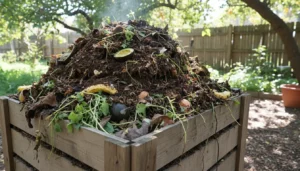
Follow these steps to build and maintain an effective home compost pile:
- Start with a base layer of coarse browns like twigs for drainage.
- Add alternating layers of greens and browns, aiming for the 2:1 browns:greens ratio.
- Moisten each layer so materials are damp but not dripping.
- Turn or aerate the pile every 1–2 weeks to introduce oxygen.
- Monitor temperature and moisture; active piles warm to 120–140°F (50–60°C).
- Harvest finished compost in 2–6 months depending on conditions and method.
Common Tools and Accessories
- Pitchfork or compost aerator for turning.
- Bin thermometer to check internal temperature (optional).
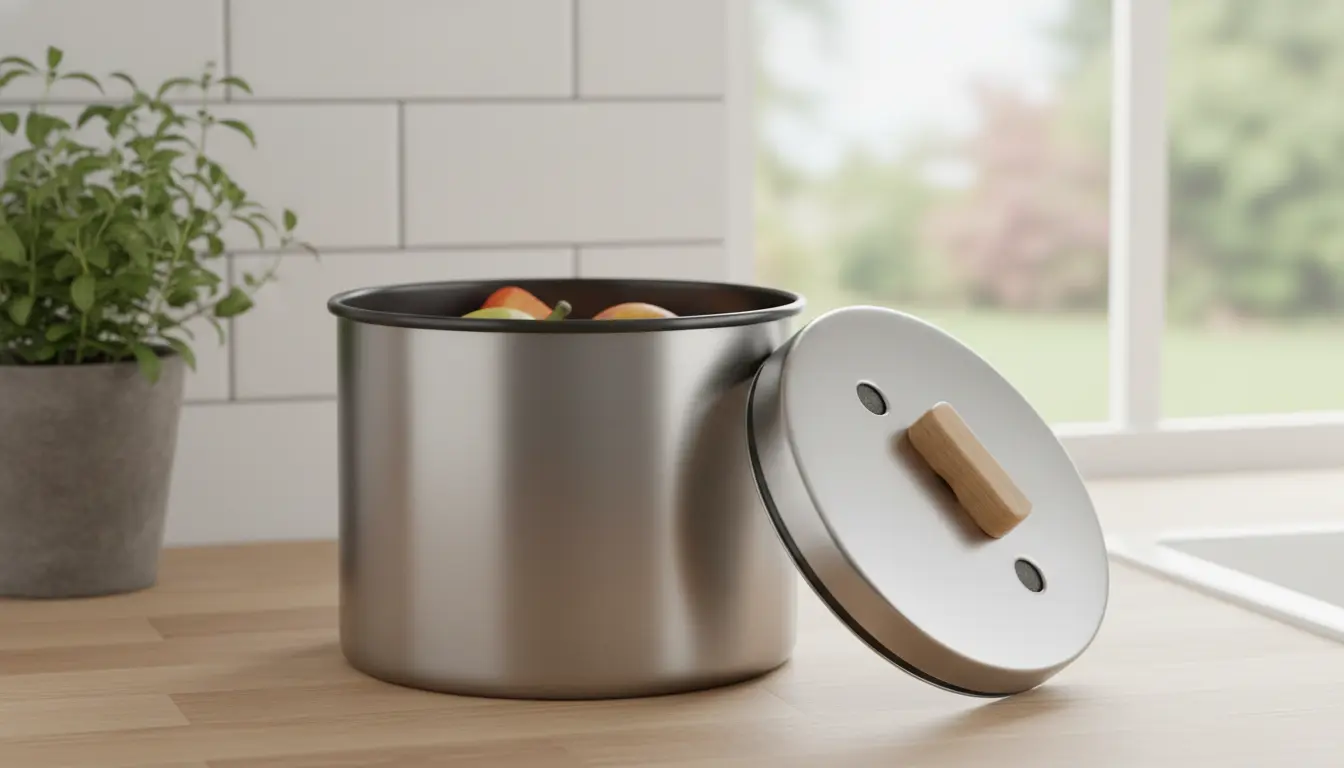
- Kitchen caddy or sealed bucket for collecting scraps.
Troubleshooting Home Composting Problems
Many beginners face a few predictable issues. Fixes are usually simple and fast.
- Bad smell: Add browns, mix, and improve ventilation.
- Pile too dry: Add water and more greens; keep it consistently damp.
- Slow decomposition: Chop materials finer and increase greens or temperature.
- Pests: Avoid meat, dairy, and oily foods; use a closed bin or bury scraps in the pile.
Composting can divert up to 30% of household waste from landfills. Finished compost can improve soil water retention by up to 20% in sandy soils.
How to Tell When Compost Is Ready
Finished compost looks dark, crumbly, and earthy. Most original materials should be unrecognizable, and the pile will have settled in volume.
Screen or sift the compost and return any large pieces to the next batch. Use the finished product in garden beds, containers, or as a top dressing for lawns.
Uses for Home Composting Output
- Improve planting beds by mixing 1 part compost to 3–4 parts soil.
- Top dress lawns with a thin layer to add nutrients and improve soil structure.
- Use as potting mix amendment for containers and indoor plants.
Small Case Study: A Six-Month Kitchen Compost Trial
Maria, a homeowner with a small urban yard, started composting in a 60-gallon tumbling bin. She collected kitchen scraps and shredded cardboard, aiming for the recommended browns:greens mix.
After six months of weekly tumbling, her bin produced about 30 liters of finished compost. She mixed it into two raised beds, and the beds showed improved moisture retention and healthier lettuce the following season.
Quick Checklist to Start Home Composting
- Select an appropriate bin or choose a spot for an open pile.
- Gather a supply of browns: dry leaves, shredded paper, cardboard.
- Collect greens: kitchen scraps and fresh yard waste.
- Maintain moisture, aerate regularly, and monitor for pests or odors.
- Harvest finished compost after materials stabilize and look uniform.
Home composting is practical and flexible. Start small, observe your pile, and adjust inputs until you find a routine that works with your household and garden needs.