
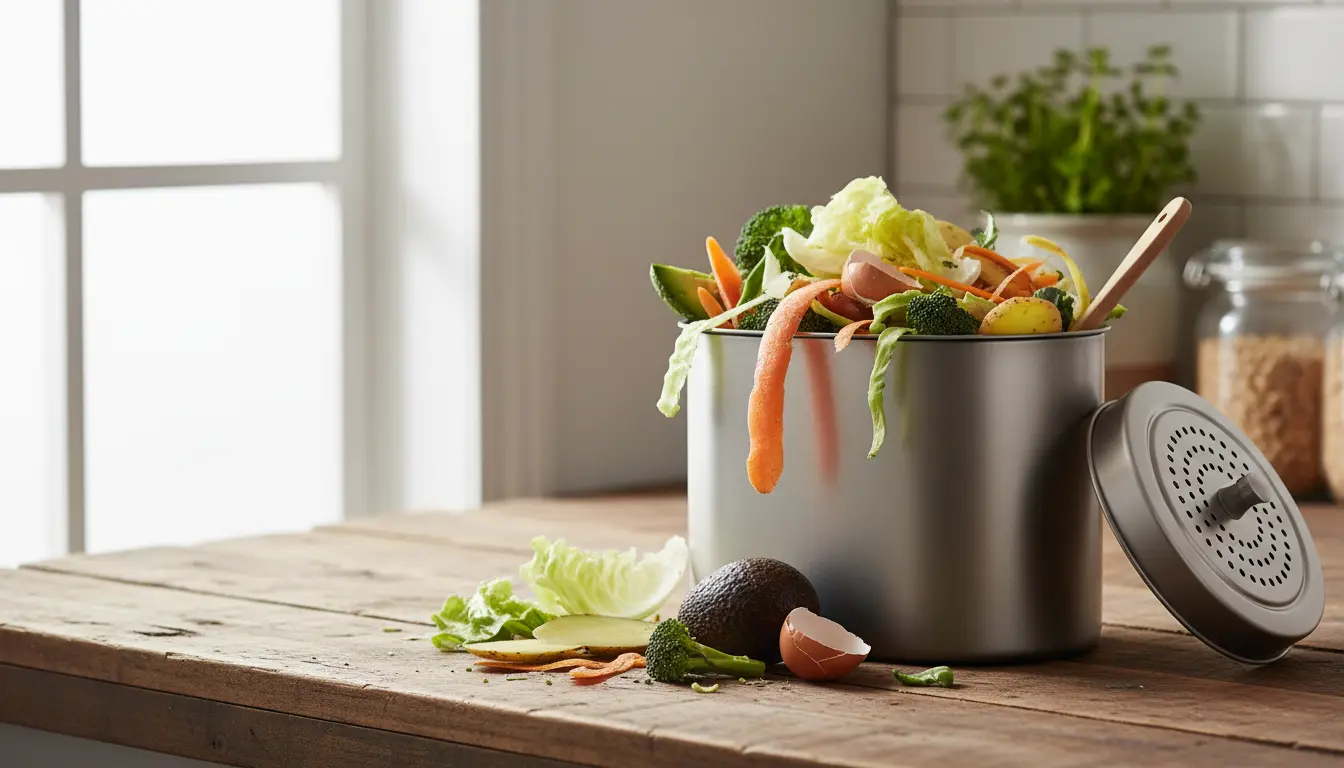
Why Home Composting Matters
Home composting turns kitchen scraps and yard waste into valuable soil amendment. It reduces landfill waste and improves garden health with minimal effort.
This guide explains straightforward steps for beginners to start successful home composting. The instructions focus on practical setup, maintenance, and troubleshooting.
Choosing a Compost System for Home Composting

Select a compost method that fits your space and lifestyle. Common options include backyard piles, tumblers, and compact kitchen compost bins.
- Backyard pile: Best for larger yards and unlimited volume.
- Compost tumbler: Good for faster turning and less pests.
- Kitchen bin with weekly transfer: Ideal for apartments and small kitchens.
Consider access, odor control, and how much time you can dedicate to turning or monitoring.
Materials: What to Add to Your Compost
Successful home composting depends on balancing two types of materials: greens and browns. Greens are high in nitrogen; browns provide carbon.
- Greens: Vegetable scraps, fruit peels, coffee grounds, fresh grass clippings.
- Browns: Dry leaves, shredded paper, cardboard, straw, wood chips.
A simple target ratio is roughly 1 part greens to 2–3 parts browns by volume. Adjust based on moisture and smell.
Step-by-Step Setup for Home Composting
Follow these practical steps to start home composting today. The process is flexible and forgiving for beginners.
- Pick a container or area: Choose a shaded spot for a pile or a ventilated bin for tumblers.
- Create a base layer: Put coarse browns like twigs or straw to promote airflow.
- Add alternating layers: Add a layer of greens, then a thicker layer of browns.
- Moisten: Aim for damp sponge consistency; add water if dry or browns if too wet.
- Turn periodically: Turn every 1–2 weeks for faster decomposition or let it sit for passive composting.
Maintaining Heat and Moisture
Heat accelerates breakdown. Active piles reach 120–160°F (50–70°C) but home systems often run cooler and still work well.
Keep compost moist but not soggy. If it smells like ammonia, add more browns and mix to aerate.
Troubleshooting Common Home Composting Problems
Beginners encounter common issues that are easy to fix with small changes to materials or handling.
- Bad odors: Caused by excess wet greens. Solution: Add dry browns and turn the pile.
- Pests: Avoid meat, dairy, and oily foods in the bin. Use a secure container or bury scraps inside the pile.
- Slow decomposition: Increase surface area by shredding materials and add nitrogen-rich greens.
- Too dry: Add water and green materials to rehydrate the pile.
Composting can reduce household waste volume by up to 30 percent and return nutrients to soil, improving plant growth and water retention.
Using Finished Compost in the Garden
Finished compost is dark, crumbly, and earthy-smelling. It typically takes 3–12 months depending on method and conditions.
Apply finished compost as a top dressing, mix into potting soil, or work into garden beds to improve soil structure and fertility.
Simple Application Rates
- Vegetable beds: 1–2 inches of compost spread on top and lightly worked in.
- Potted plants: Mix 10–30% compost into potting mix.
- Lawns: Thin layer spread in spring or fall to feed turf and improve soil.
Small Real-World Case Study
Case: A two-person urban household started with a 5-gallon kitchen bin and a small backyard tumbler. They saved vegetable scraps and emptied the bin weekly into the tumbler.
After six months of weekly turning and balancing browns with shredded cardboard, they produced 4 buckets of finished compost. Their herb planters showed fuller growth and fewer watering needs.
Key takeaways: Regular transfers, simple balance of materials, and patience produced usable compost without odor or pests.
Practical Tips for Success in Home Composting
- Chop or shred large items to speed decomposition.
- Keep a small container with a tight lid for kitchen scraps and empty it often.
- Use garden lime sparingly if compost is too acidic; usually unnecessary.
- Record what you add for a few weeks to learn the right mix for your system.
Final Checklist for Home Composting Beginners
Use this checklist to monitor your compost system and avoid common mistakes.
- Container chosen: bin, tumbler, or pile.
- Base layer created for airflow.
- Balance of greens and browns maintained.
- Moisture checked weekly and adjusted.
- Turning schedule set and followed.
Home composting is a simple habit that returns nutrients to your soil and cuts household waste. Start small, observe results, and adjust as you learn.