
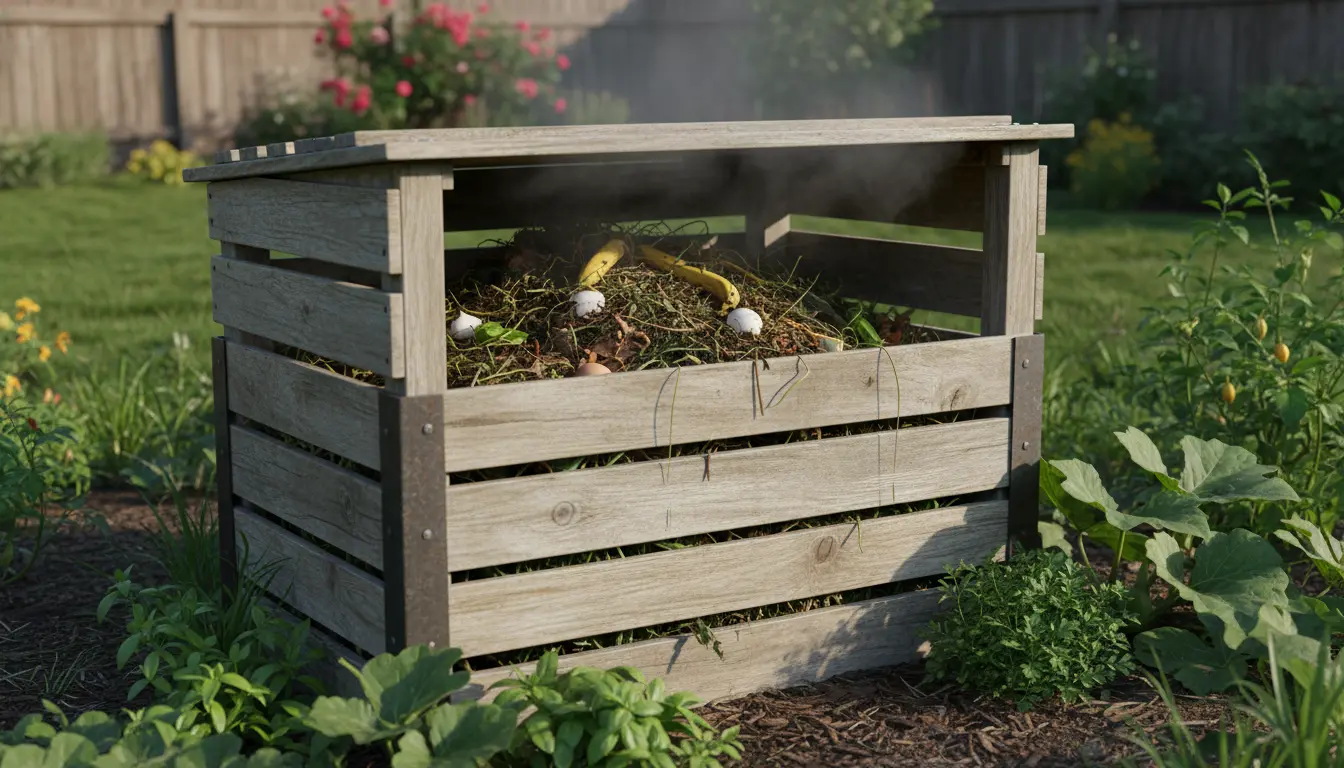
Getting Started with Home Composting for Beginners
Home composting turns kitchen scraps and yard waste into rich soil for gardens. This guide gives clear, practical steps to begin composting at home with minimal fuss.
What is home composting and why it matters
Composting is the natural breakdown of organic matter into humus. It reduces landfill waste, improves soil structure, and returns nutrients to plants.
Choose your home composting method
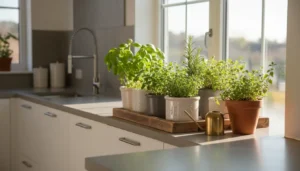
There are several easy methods suitable for beginners. Pick one that fits space, budget, and time.
- Bin composting: Simple, contained system for yards.
- Compost tumbler: Faster turning and less odor control needed.
- Bokashi or worm bins (vermicomposting): Good for small spaces or apartments.
How to set up a basic compost bin
Setting up a bin is straightforward. You can use a purchased bin or repurpose a plastic drum or wooden crate.
- Pick a shady, level spot with good drainage.
- Place the bin on soil so worms and microbes can access it.
- Start with a layer of coarse brown material for airflow, like small twigs.
Materials to use in home composting for beginners
Compost needs a mix of ‘greens’ (nitrogen) and ‘browns’ (carbon). Balance is key for faster decomposition.
- Greens: Vegetable peels, fruit scraps, coffee grounds, fresh grass clippings.
- Browns: Dry leaves, shredded paper, cardboard, straw.
A good target is about 2 to 3 parts browns to 1 part greens by volume.
Examples of materials to avoid
- Meat, dairy, oils, and bones (attract pests and smell).
- Diseased plants or invasive weeds with seeds.
- Pet waste from carnivores.
Basic maintenance and troubleshooting
Once started, regular but simple maintenance keeps the pile healthy. Most beginners spend 5–15 minutes a week on it.
- Turn the pile every 1–2 weeks to add oxygen and speed breakdown.
- Check moisture: it should feel like a wrung-out sponge. Add water if dry and browns if soggy.
- Stir in more browns if it smells sour; add greens if decomposition is slow.
Common problems and quick fixes
- Bad odor: Add dry brown material and turn the pile to aerate it.
- Slow decomposition: Chop materials smaller and maintain moisture and aeration.
- Pests: Bury food scraps under a layer of browns and use a closed bin if needed.
How long until compost is ready
Time to finished compost varies by method and attention. Typical ranges are:
- 3–6 months for active, well-managed piles.
- 6–12 months for slowly managed or cold piles.
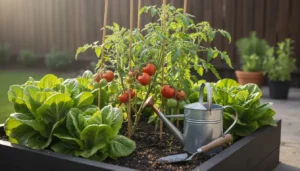
Ready compost is dark, crumbly, and smells earthy. It no longer resembles the original materials.
Using finished compost
Finished compost can be used in several ways around the home and garden:
- Topdress lawns or mix into garden beds to improve soil structure.
- Use as potting mix component for containers.
- Make compost tea by steeping compost in water for a nutrient boost.
Compost can reduce household waste volume by up to 30 percent and return essential nutrients like nitrogen, phosphorus, and potassium to your soil.
Case study: Small balcony composting success
María lives in a city apartment with a small balcony. She started a 10-liter worm bin and used it for kitchen scraps and shredded paper. Within four months she had enough vermicompost to refresh several potted herbs.
Her routine: collect scraps in a small counter bucket, add once daily to the worm bin, and avoid citrus or onion overload. The result was reduced trash, healthier plants, and no odor issues.
Lessons from the case study
- Small-scale systems can be very effective for apartments.
- Consistent, small feedings help worms and microbes stay active.
- Separating troublesome items (citrus, garlic) avoids slowdowns.
Speeding up composting for beginners
To accelerate the process, try these practical tips:
- Shred or chop materials so microbes can access them faster.
- Maintain a warm, moist pile and turn frequently for oxygen.
- Add a scoop of garden soil or finished compost to introduce microbes.
Safety and local regulations
Most home composting is safe, but check local rules for restrictions in apartments or shared housing. Keep compost away from food prep areas and monitor for pests.
Final checklist for home composting for beginners
- Choose a method that fits your space and lifestyle.
- Balance greens and browns, and keep the pile moist but not soggy.
- Turn regularly and be patient—results follow simple, steady care.
Home composting is a low-cost, high-impact practice. Start small, learn from the pile, and scale up as you gain confidence. Your garden and the planet will benefit.