
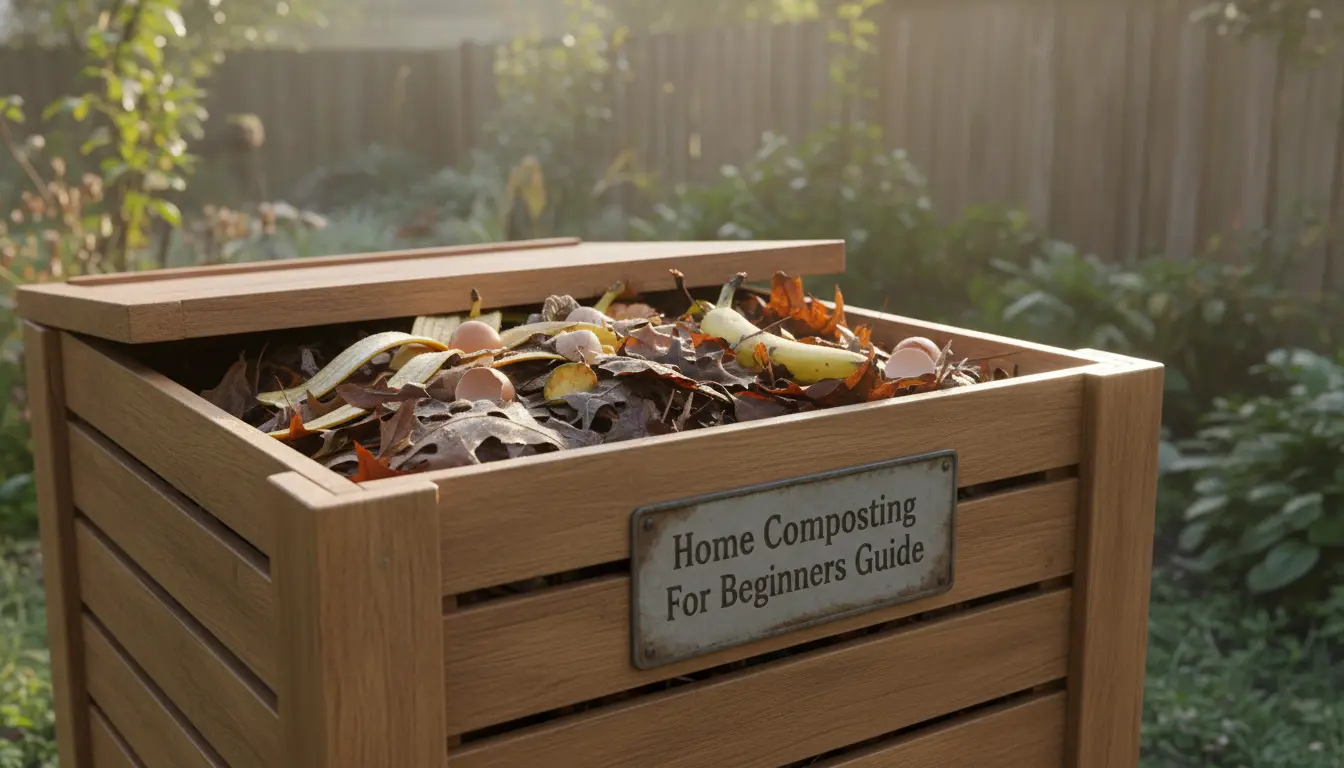
Why Choose Home Composting
Home composting turns kitchen and garden waste into a useful soil amendment. It reduces household trash, lowers methane from landfills, and improves garden soil structure.
For beginners, composting is a low-cost way to recycle nutrients and support healthy plants. This guide offers simple, actionable steps to start and maintain home composting.
Choose a Home Composting Method
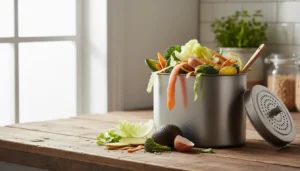
Selecting the right method depends on space, time, and effort. Common options include a simple pile, a tumbler, or a bin.
- Open pile: Minimal cost, works well for large yards but can be messy.
- Compost bin: Contained, neater, and easier to control moisture.
- Tumbler: Faster turning and faster results but usually more expensive.
Small-Space Options for Apartment Gardeners
Indoor composting options include worm bins (vermicomposting) and bokashi systems. Worm bins need less space and work well with food scraps.
Bokashi ferments kitchen waste and can handle meat and dairy when managed correctly. Both are suitable for balconies and small patios.
Collecting the Right Materials
Compost needs a balance of ‘greens’ (nitrogen) and ‘browns’ (carbon). Aim for a roughly 1:2 ratio by volume of greens to browns.
- Greens: vegetable scraps, coffee grounds, fresh grass clippings.
- Browns: dry leaves, shredded paper, straw, cardboard.
Avoid meat, dairy, oily foods, and diseased plants to prevent pests and odors. Small amounts of cooked food can work in a well-managed system.
Setting Up Your Home Composting Bin
Place the bin on soil or grass so helpful organisms can access the pile. Choose a location with partial sun to moderate temperature and moisture.
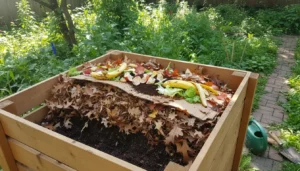
Layer materials: start with coarse browns for airflow, then add a mix of greens and more browns. Keep layers thin and break up large pieces to speed decomposition.
Basic Turning and Maintenance
Turn the pile every 1–2 weeks to add oxygen and encourage even composting. Use a pitchfork or compost aerator for bins and piles.
Maintain moisture like a wrung-out sponge. If it’s too dry, add water or more greens; if it’s too wet, add dry browns and improve drainage.
Troubleshooting Common Problems in Home Composting
Bad smells often mean too many greens or lack of oxygen. Turn the pile and add dry browns to rebalance.
- Slow decomposition: increase surface area, turn more often, and check moisture.
- Pests: keep food scraps covered with browns and use a closed bin if needed.
- Flies: bury fresh food under a layer of dry material.
How Long Before Compost Is Ready?
Compost can take anywhere from 2 months to a year depending on method and conditions. Hot composting with regular turning produces usable compost in 2–3 months.
Finished compost is dark, crumbly, and earthy-smelling. It should not be identifiable as the original materials.
One household compost bin can divert up to 300–500 pounds of organic waste from the landfill each year, depending on diet and garden size.
Using Your Finished Compost
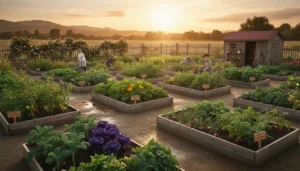
Mix compost into garden beds, top-dress lawns, or blend into potting mixes to boost nutrient content and water retention. Use sparingly as a fertilizer replacement or soil conditioner.
- Vegetable beds: mix 1–2 inches into the top 6–8 inches of soil.
- Potting mix: substitute up to 20–30% compost for soil.
- Mulch: apply a thin layer around plants to suppress weeds and retain moisture.
Real-World Example: The Rivera Family Case Study
The Rivera family started a 55-gallon bin in their suburban backyard. They collected kitchen scraps in a countertop container and added yard waste on weekends.
Within six months they produced enough compost to refresh two raised vegetable beds. Their weekly trash volume dropped by about 40 percent, and their tomatoes were noticeably healthier the following season.
Quick Start Checklist for Home Composting
- Choose a bin or system that fits your space.
- Collect greens and browns and keep a 1:2 ratio by volume.
- Layer materials, maintain moisture, and turn regularly.
- Troubleshoot odors and pests by adjusting balance and coverage.
- Harvest finished compost when dark and crumbly, then apply to garden.
Home composting is a practical, low-cost activity that benefits gardens and the planet. Start small, keep it simple, and adjust as you learn what works best for your home.