
Why Home Composting for Beginners Matters
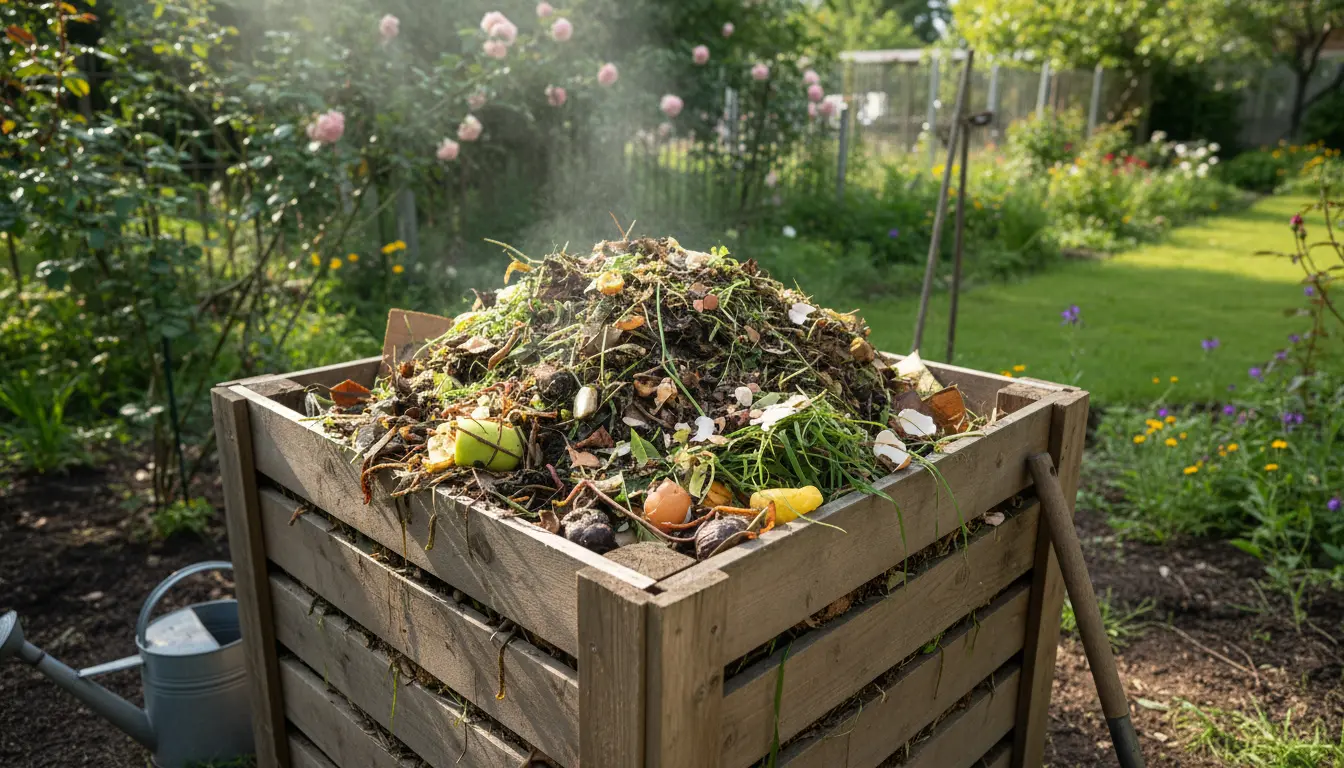
Home composting turns kitchen scraps and yard waste into a valuable soil amendment. It reduces household waste, lowers landfill use, and improves garden health.
For beginners, composting is a low-cost way to support healthy plants and cut disposal costs. This guide shows clear steps and practical tips to start and maintain a compost system at home.
Basic Principles of Home Composting for Beginners
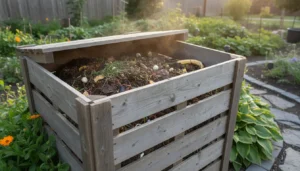
Composting relies on balancing carbon and nitrogen, moisture, and airflow. Think in layers: brown materials (carbon) and green materials (nitrogen) break down together.
Microbes, worms, and oxygen do the work. Your job is to give them the right environment and occasional maintenance.
Key Materials and Ratios
- Brown materials: dry leaves, straw, shredded paper.
- Green materials: kitchen scraps, fresh grass clippings, coffee grounds.
- Aim for roughly a 3:1 ratio of browns to greens by volume for steady decomposition.
How to Start Home Composting
Pick a method that fits your space: a simple pile, a tumbler, or a bin. Beginners often choose a covered bin to keep pests out and moisture steady.
Location matters. Place the compost in a partly shaded, level spot with good drainage. Close proximity to the kitchen increases use.
Step-by-Step Setup
- Choose a container: open bin, closed bin, or tumbler.
- Lay a base layer of coarse brown material for airflow.
- Add alternating layers of green and brown materials, chopping large items.
- Moisten each layer — it should feel like a wrung-out sponge.
- Turn or mix every 1–2 weeks to add oxygen and speed decomposition.
Managing Your Compost Pile
Consistent checks keep compost active. Check moisture, temperature, and smell rather than guessing.
Good compost smells earthy and damp. A sour, ammonia, or rotten smell signals imbalance and needs fixing.
Maintenance Tips
- Moisture: Add water if dry; add dry browns if soggy.
- Air: Turn the pile to prevent anaerobic conditions and odors.
- Size: Keep piles at least 1 cubic meter (3x3x3 feet) for heat, or use smaller frequent mixing for smaller bins.
Troubleshooting Common Problems for Home Composting Beginners
New composters often face a few predictable issues. Most are easy to fix with small adjustments.
Problem: Slow Breakdown
Likely causes include too-large pieces, lack of nitrogen, cold temperatures, or poor moisture. Chop materials, add greens like vegetable scraps, and turn the pile.
Problem: Bad Odor
A strong odor usually means too much nitrogen or poor aeration. Add brown materials and turn the pile to reintroduce oxygen.
Problem: Pests
Avoid attracting pests by burying food scraps in the center of the pile and using a closed bin. Do not add meat, dairy, or oily foods.
Compost can reduce household waste by up to 30 percent and return essential nutrients to garden soil, cutting the need for synthetic fertilizers.
What Ready Compost Looks Like
Mature compost is dark, crumbly, and smells like fresh soil. You should not see recognizable food scraps or leaves.
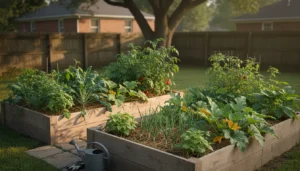
Use finished compost as a top dressing, soil amendment, or seed starting mix when blended with other materials.
Small Real-World Example
Case Study: A two-person household in a city apartment started a small worm bin on a balcony. They collected kitchen scraps in a sealed container and fed the bin twice weekly.
After four months they produced a steady supply of worm castings to feed potted herbs and reduced trash volume by nearly 25 percent. Minimal upkeep and regular feeding kept pests away and the bin productive.
Practical Tips and Examples
- Example: Shred cardboard and mix with veggie scraps for a fast, odor-free turn.
- Tip: Save coffee grounds — they are a strong nitrogen source for small bins.
- Example: Use a garden fork to turn a backyard pile; a tumbler suits small, neat spaces.
Conclusion: Start Simple and Improve Over Time
Home composting for beginners does not require perfect conditions — just consistency. Start with a small manageable system and gradually refine your method.
With basic care for moisture, balance, and airflow, you can create rich compost that improves soil, reduces waste, and supports sustainable gardening practices.