
Why Try Home Composting
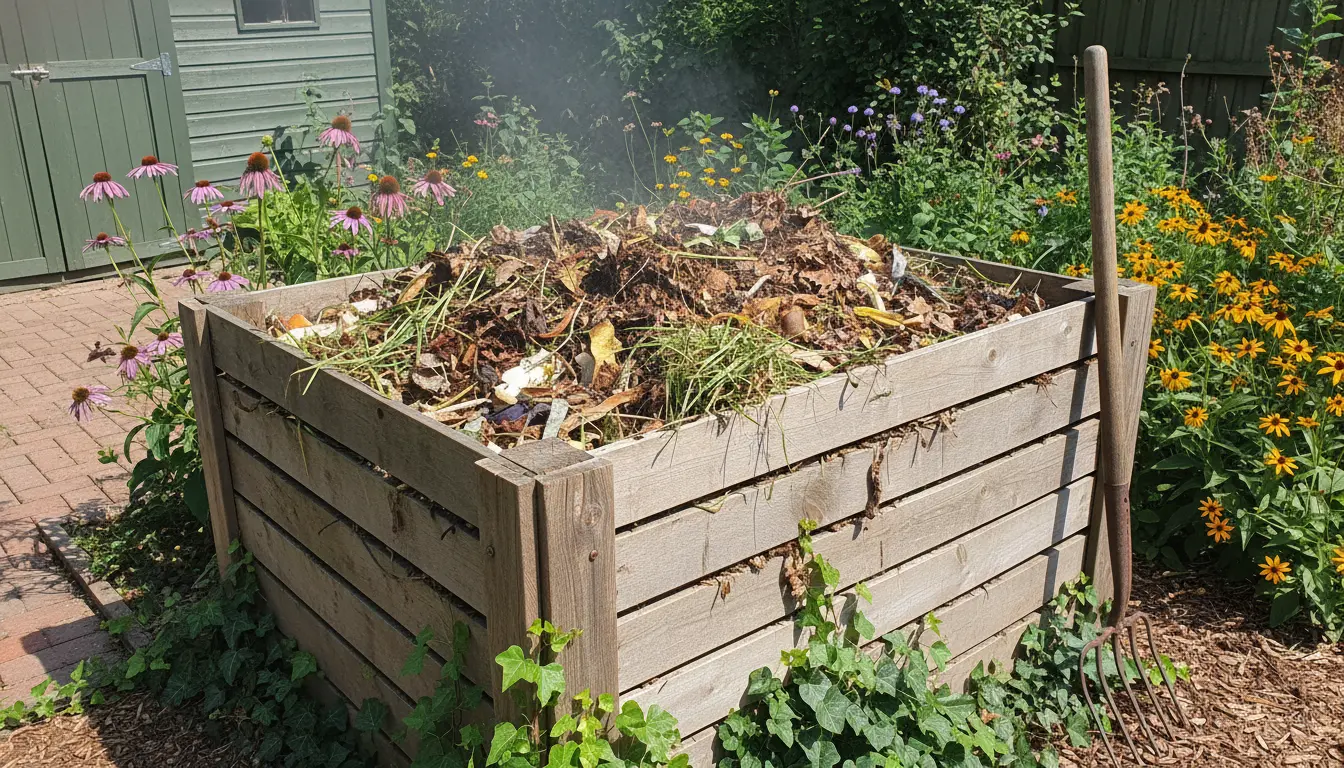
Home composting turns kitchen and yard waste into a useful soil amendment. It reduces household trash and improves soil health for gardens and houseplants.
This guide gives clear steps for beginners. Follow the instructions to set up a simple, low-maintenance system at home.
How Home Composting Works
Composting is the biological breakdown of organic material by microbes and small animals. The process needs carbon, nitrogen, moisture, and air to work well.
Manage those four elements and you will get dark, crumbly compost in weeks to months. Different methods change how you balance them.
Key Ingredients for Home Composting
- High-carbon materials (browns): dry leaves, shredded paper, straw.
- High-nitrogen materials (greens): vegetable scraps, coffee grounds, fresh grass clippings.
- Water: keep the pile damp like a wrung-out sponge.
- Air: turn or provide airflow to avoid smells and slow decomposition.
Simple Methods for Home Composting
Choose a method that fits your space and how much waste you produce. Here are three beginner-friendly options.
1. Backyard Pile or Bin
Use a 3x3x3 foot pile or a simple enclosed bin. Alternate layers of greens and browns to balance materials.
Turn the pile every 1–2 weeks to add oxygen. Expect finished compost in 2–6 months depending on conditions.
2. Tumbler Composting
Tumblers are sealed drums you twist to mix contents. They speed up decomposition and reduce pests.
They work well for small yards or people who prefer a neater system. Turn the drum a few times per week.
3. Vermicomposting (Worm Bin)
Red wiggler worms eat kitchen scraps and produce nutrient-rich castings. Vermicomposting fits balconies or small indoor spaces.
Keep the bin in a cool, shaded spot and feed worms small amounts of kitchen scraps. Harvest castings every 2–4 months.
Step-by-Step Start Guide for Home Composting
This quick checklist helps beginners get started with home composting right away.
- Pick a method: bin, tumbler, or worm bin based on space and preference.
- Gather materials: collect browns and greens separately in small containers.
- Build your first pile: start with a layer of coarse material for airflow, then alternate greens and browns.
- Maintain moisture: add water or dry material to keep the pile damp but not soggy.
- Turn or mix: aerate the pile regularly for faster results and fewer odors.
- Harvest and use: finished compost is dark and crumbly; mix into garden soil or use as a potting amendment.
Troubleshooting Common Problems in Home Composting
Beginners often face small problems that are easy to fix. Below are common issues and practical fixes.
Smelly Compost
Cause: too much wet green material or lack of air. Fix: add dry browns and turn the pile to add oxygen.
Pests and Flies
Cause: exposed food scraps or meat/dairy in the pile. Fix: bury food in the middle, avoid meat and dairy, or use a closed bin.
Slow Decomposition
Cause: pile too dry, too cold, or lacking nitrogen. Fix: add water, fresh greens, or chop materials smaller to speed up decomposition.
Compost can retain up to 60 percent of soil organic matter and improve water retention, reducing the need for frequent watering.
Small Real-World Example: Case Study
Maria, a small urban gardener, started a 60-liter tumbler on her apartment patio. She added kitchen scraps and shredded cardboard, turning the tumbler twice a week.
After four months she harvested about 20 liters of dark compost. She mixed it into pots and noticed better plant growth and reduced watering needs.
Key wins: less waste to the trash can, healthier container plants, and a simple routine that took 10 minutes a week.
Tips to Keep Home Composting Simple
- Collect scraps in a countertop container and empty it into the compost each day.
- Chop large pieces to speed decomposition.
- Keep a balance of browns and greens — aim for roughly 2 to 3 parts browns to 1 part greens by volume.
- Use finished compost sparingly at first: mix it with existing soil at a 1:4 ratio for potted plants.
Final Notes on Home Composting for Beginners
Home composting is a practical, low-cost way to reduce waste and improve your soil. Start small and adjust the method to your lifestyle.
With basic attention to moisture, air, and material balance, most beginners produce reliable compost within months. Try one method and refine it as you learn.
Suggested featured image text: Simple Backyard Composting For Home Garden