
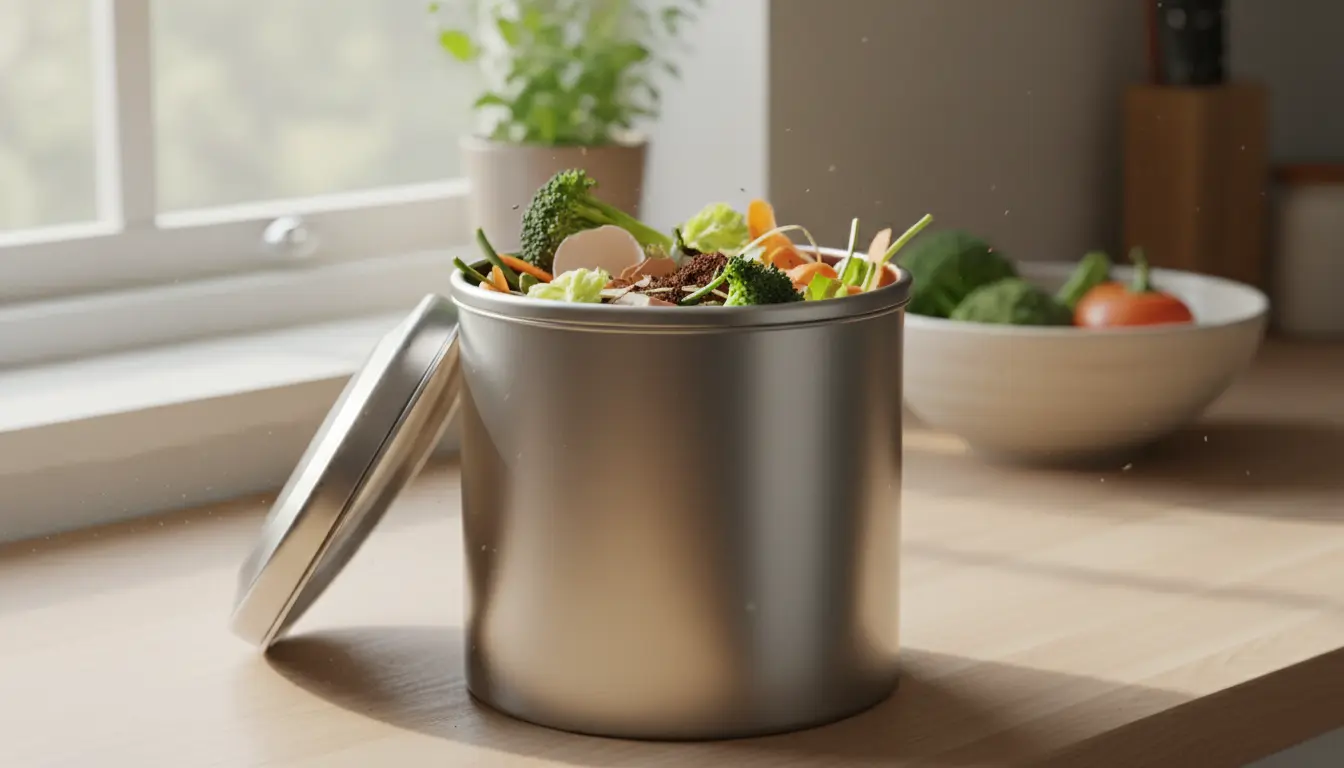
Start Home Composting for Beginners With a Clear Plan
Home composting for beginners is a practical way to reduce waste and create nutrient-rich soil for plants. This guide explains easy methods, what materials to use, and common troubleshooting steps.
Why Choose Home Composting
Composting diverts kitchen and yard waste from landfills and returns organic matter to the soil. It improves soil structure, retains moisture, and feeds beneficial microbes.
Even small households can see benefits: less trash, lower yard maintenance, and free compost for potted plants or garden beds.
Basic Principles of Home Composting for Beginners
Successful composting depends on balancing four things: carbon, nitrogen, air, and moisture. Keep these simple rules in mind as you start.
- Carbon (browns): dry leaves, shredded paper, cardboard.
- Nitrogen (greens): vegetable scraps, coffee grounds, fresh grass clippings.
- Air: turn or aerate the pile to supply oxygen.
- Moisture: pile should be damp like a wrung-out sponge.
Choose a Method That Fits Your Home
Home composting for beginners works differently depending on space and commitment. Pick a method that you will maintain.
Backyard Compost Bin
Best for homeowners with some yard space. Use a simple tumbling bin or a static bin made from wood or plastic.
- Pros: Larger capacity, faster breakdown with turning.
- Cons: Requires more handling and space.
Bokashi for Small Spaces
Bokashi is an anaerobic fermentation method that works in a kitchen bucket. It accepts meat and dairy when done correctly.
- Pros: Compact, fast, includes more types of food waste.
- Cons: Requires specific bran inoculant and an extra maturation step.
Vermicomposting (Worm Bin)
Use red wiggler worms in a bin for apartment-friendly composting. Worms eat food scraps and produce rich castings.
- Pros: Very compact, fast nutrient-rich output.
- Cons: Temperature and moisture sensitive; cannot handle large volumes of citrus or onion regularly.
What to Compost and What to Avoid
Knowing what goes in and what stays out prevents problems. This list keeps your compost healthy.
Safe to Compost
- Vegetable and fruit scraps, coffee grounds, tea bags (no plastic), eggshells.
- Dry leaves, straw, shredded paper, cardboard (small amounts).
- Grass clippings in thin layers to avoid matting.
Avoid or Limit
- Oils, large amounts of dairy, bones, and pet waste from carnivores.
- Diseased plants and invasive weeds with seeds.
- Excess citrus and onion in worm bins or small systems.
Household food waste accounts for a significant portion of municipal waste. Composting at home can cut that amount dramatically and improve soil fertility without chemical fertilizers.
Basic Step-by-Step Setup for Beginners
Follow these simple steps to start a basic backyard bin or an indoor worm bin.
- Pick a container: a tumbling compost bin or a 3-sided wooden bin for backyard; a plastic worm bin for indoors.
- Layer browns and greens: start with a 3–4 inch layer of carbon, add a similar layer of greens.
- Maintain moisture and aeration: water if dry, turn every 1–2 weeks for a hot compost pile.
- Harvest compost: after a few months to a year depending on method, sift finished compost for use.
Troubleshooting Common Problems
Beginner composters face a few predictable issues. Fixes are usually simple.
- Smelly pile: add more browns and mix to add air. Avoid too much food waste in one spot.
- Slow breakdown: chop materials smaller and maintain moisture and turning.
- Pests: bury food scraps in the pile, use a closed bin, or switch to a worm bin or Bokashi.
Small Real-World Example: A Quick Case Study
Case Study: A two-person household in a suburban neighborhood started a 60-liter tumbling bin. They added kitchen scraps and yard clippings, turning the bin weekly.
After five months they harvested about 35 liters of usable compost and reduced their weekly trash by one 10-liter bag. Their tomato plants showed fuller foliage and more blossoms the following season.
Tips to Keep Going
- Start small: choose one method and expand once comfortable.
- Track inputs and results: note what you add and how fast material breaks down.
- Use finished compost in potting mixes, topdress lawns, or enrich garden beds.
Final Thoughts on Home Composting for Beginners
Home composting for beginners is accessible and adaptable. With minimal tools and consistent habits you can turn waste into valuable soil improvement.
Begin today with a simple bin, a basic balance of browns and greens, and a short weekly routine. The rewards include less household waste, healthier plants, and a practical step toward sustainability.