
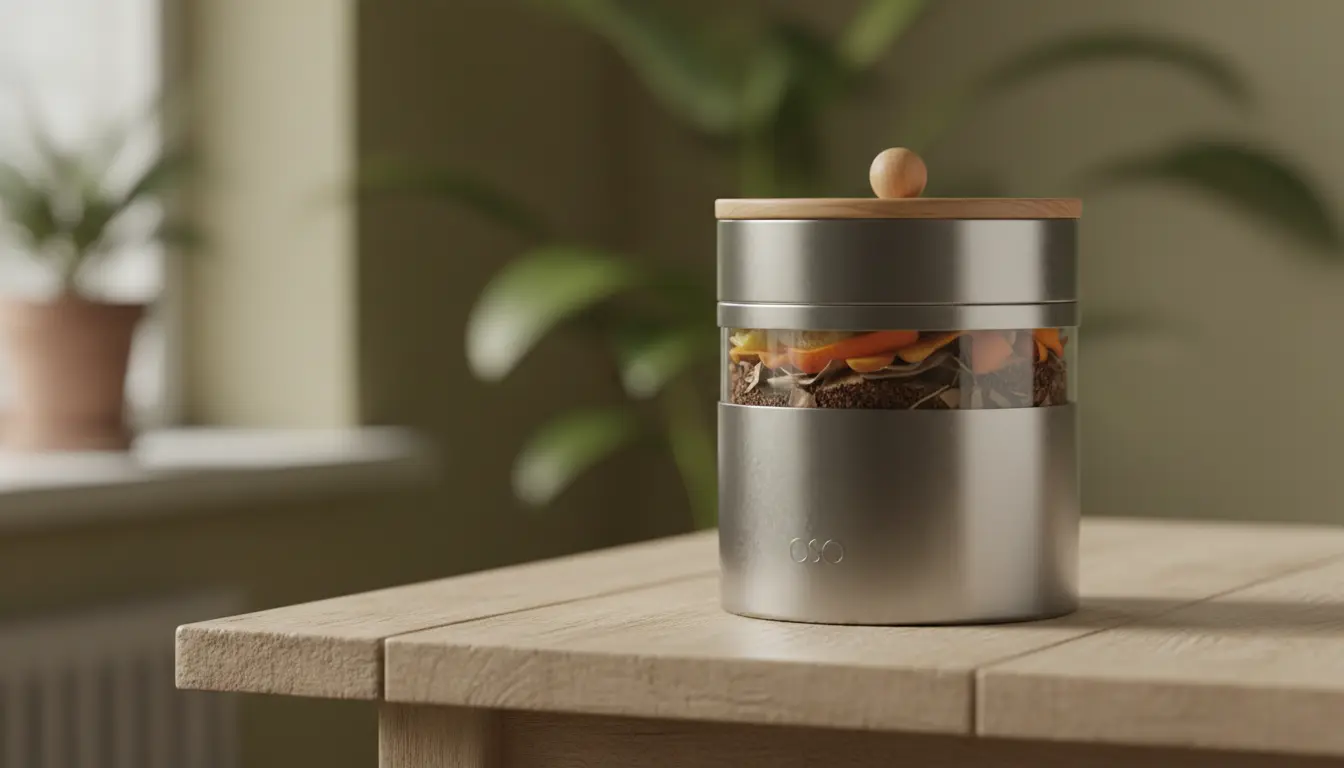
Why Home Composting for Beginners Matters
Home composting reduces kitchen and yard waste while creating nutrient-rich soil for plants. For beginners, composting is a low-cost way to close the loop on organic waste and support healthier gardens.
Basic Principles of Home Composting for Beginners
Compost is produced by microbes breaking down organic matter in the presence of oxygen and moisture. Achieving the right balance of materials, air, moisture, and time is the key to successful composting.
Key Elements to Remember
- Carbon-rich materials (brown): dry leaves, straw, shredded paper.
- Nitrogen-rich materials (green): vegetable scraps, coffee grounds, grass clippings.
- Air: turn the pile to add oxygen every 1–2 weeks.
- Moisture: should feel like a wrung-out sponge; not soaking wet.
Step-by-Step: How to Start Home Composting for Beginners
- Choose a spot or bin. Pick a shaded, well-drained place in the yard or use a tumbling bin or worm bin for small spaces.
- Layer materials. Start with coarse browns for drainage, then alternate green and brown layers about 2–4 inches thick.
- Maintain balance. Aim for roughly a 3:1 ratio of browns to greens by volume to avoid odors and promote decomposition.
- Turn and monitor. Aerate the pile every 1–2 weeks and check moisture. Add water if dry or more browns if too wet.
- Harvest finished compost. Compost is ready when dark, crumbly, and earthy-smelling. This usually takes 2–6 months depending on conditions.
Materials and Tools for Home Composting for Beginners
You do not need fancy equipment. Basic tools make the process easier and more consistent.
- Compost bin or simple pile area
- Pitchfork or compost turning tool
- Garden gloves and a watering can or hose
- Shredder or scissors to chop large items
What to Add and Avoid
- Add: fruit and vegetable scraps, eggshells, coffee grounds, tea bags, yard trimmings, shredded cardboard.
- Avoid: meat, dairy, oily foods, pet waste, diseased plants, and invasive weeds.
Common Problems and Fixes for Home Composting for Beginners
Beginners often see odors, pests, or slow decomposition. Most issues are caused by imbalance or poor management and are easy to fix.
- Foul smell: Add more brown materials and turn the pile to increase oxygen.
- Pests: Bury food scraps under a layer of brown material and avoid meat or oily waste.
- Too dry: Water the pile so it feels like a wrung-out sponge.
- Slow breakdown: Chop materials into smaller pieces and ensure adequate nitrogen (greens).
Did You Know?
Composting can reduce household waste by up to 30 percent and returns valuable nutrients to your soil without chemical fertilizers.
Small Case Study: A Simple City Balcony Compost
Maria lives in a small apartment and started a worm bin on her balcony. She used a 10-gallon plastic bin with ventilation holes and bedding of shredded newspaper and coconut coir.
After six weeks of adding kitchen scraps and turning the bin occasionally, Maria harvested dark, soil-like castings. Her balcony plants benefited immediately, needing less store-bought fertilizer.
Lessons from the Case Study
- Small spaces can compost effectively with worm bins or bokashi systems.
- Consistent small additions and occasional aeration speed up results.
- Finished compost improves plant health and reduces waste costs.
Quick Tips to Keep You Growing
- Keep a small countertop container for daily scraps and empty it into the bin every few days.
- Chop larger materials before adding to speed decomposition.
- Record temperatures and turning schedule for the first few months to learn what works for your climate.
- Use finished compost as a top dressing, potting mix additive, or garden amendment.
Summary: Getting Started with Home Composting for Beginners
Home composting is accessible, low-cost, and effective for reducing waste and improving soil. Start small, balance browns and greens, maintain moisture and air, and adjust based on results.

With a little attention and simple tools, beginners can produce quality compost in months and support healthier plants with minimal effort.