
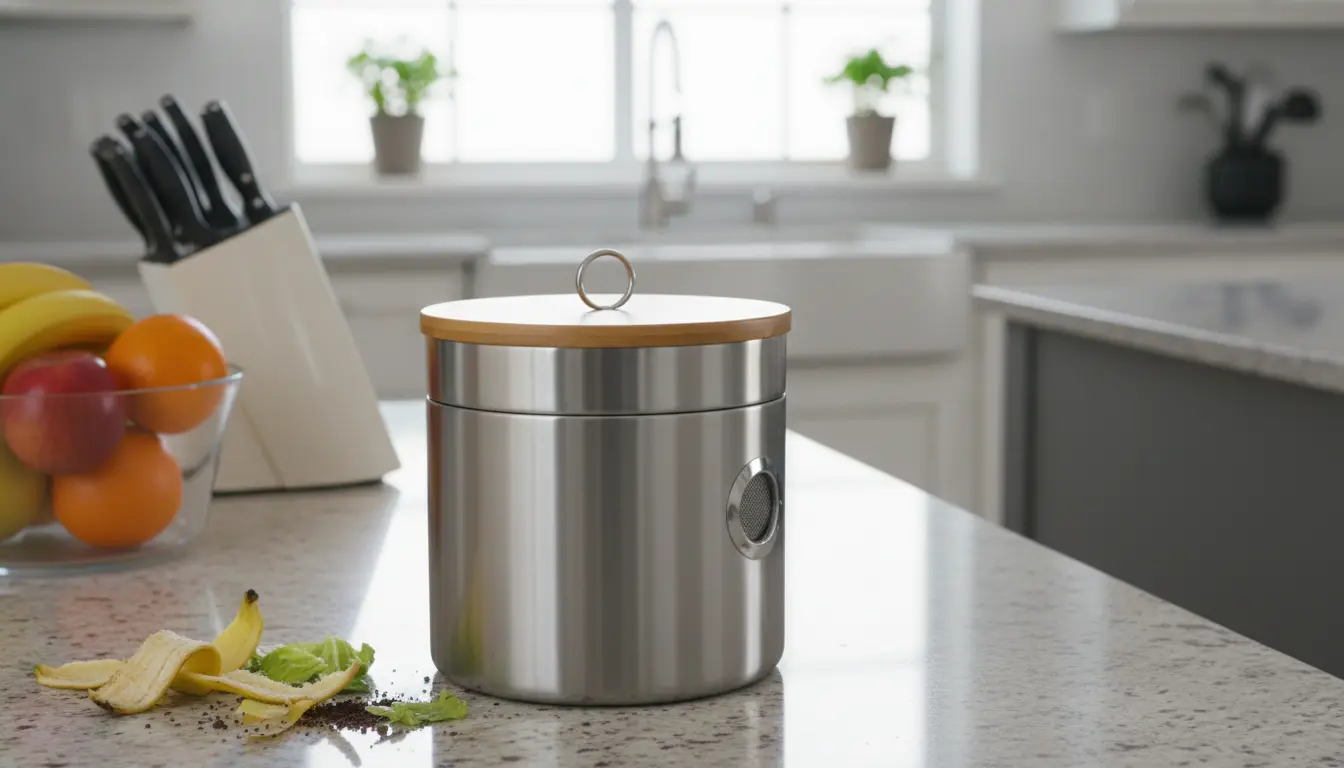
Home Composting for Beginners: What It Is and Why Start
Home composting turns food scraps and yard waste into a nutrient-rich soil amendment. It reduces household waste, lowers landfill methane, and improves garden soil health.
This guide gives practical, step-by-step instructions for home composting for beginners. Use it to choose a system, manage materials, and troubleshoot common issues.
Getting Started with Home Composting for Beginners
Start by deciding the composting method that fits your space and lifestyle. Options range from simple countertop bins to outdoor tumblers and worm composters.
Key choices affect speed, odor control, and maintenance needs. Read the short list below to match a system to your routine.
Choose a System
- Countertop compost bin: Small, for collecting kitchen scraps before transferring to a larger pile or municipal program.
- Outdoor compost pile: Free and low-cost, needs space and occasional turning.
- Compost tumbler: Enclosed drum that makes turning easy and speeds decomposition.
- Vermicompost bin: Uses worms to process food scraps indoors; compact and fast for small households.
What to Compost
Compost materials are commonly grouped as browns and greens. Balance these to maintain proper decomposition.
- Greens (nitrogen rich): Fruit and vegetable scraps, coffee grounds, fresh grass clippings.
- Browns (carbon rich): Dry leaves, shredded paper, straw, cardboard.

A good rule is roughly 2 to 3 parts browns to 1 part greens by volume. Chop or shred larger items to speed breakdown.
Setting Up Your First Compost
Follow these practical steps to create a stable compost pile or bin.
- Pick a level, shaded location with good drainage for outdoor systems.
- Start with a base layer of coarse browns like small branches or straw to help airflow.
- Add alternating layers of greens and browns. Keep layers thin to promote even decomposition.
- Keep the pile moist like a wrung-out sponge; water occasionally if dry.
- Turn or mix the pile every 1–2 weeks for faster results, or rotate a tumbler per instructions.
Monitoring Temperature and Moisture
Temperature indicates activity: a warm pile (40–60°C or 104–140°F) means microbes are active. Worm bins operate at ambient temperature and do not heat up.

Too dry slows decomposition; too wet causes odors. Aim for dampness similar to a squeezed sponge.
Composting can reduce household waste by up to 30 percent. Even small kitchens can cut waste significantly by separating food scraps.
Common Problems and Fixes in Home Composting for Beginners
Beginners often face a few recurring issues. Here are quick fixes that work in most systems.
- Bad smell: Add more browns and mix to increase airflow. Avoid meat, dairy, and oily foods in basic systems.
- Fruit flies: Bury food waste under browns or keep an indoor container with a tight lid. Freeze scraps before adding if flies persist.
- Slow breakdown: Chop materials smaller, increase greens slightly, and ensure adequate moisture and turning.
- Worms escaping (vermicompost): Ensure bin isn’t too wet, avoid citrus and spicy foods, and provide bedding like shredded paper.
Maintenance Tips for Ongoing Success
Regular, simple maintenance makes composting reliable and low effort. Here are tasks to keep on your calendar.
- Weekly: Add scraps, check moisture, and turn or rotate the pile when needed.
- Monthly: Add a balanced mix of browns and greens and remove finished compost for gardening.
- Seasonally: In cold climates, insulate outdoor bins or use tumblers to maintain activity; slow decomposition is normal in winter.
Small Real-World Example
Case study: A two-person household started with a 60-liter tumbler and a small countertop caddy. They collected kitchen scraps for three months and added shredded cardboard weekly.
After eight weeks the tumbler produced dark, crumbly compost. Their weekly trash volume dropped by about 25 percent, and they used the finished compost to enrich potted herbs and vegetables.
Using Finished Compost
Finished compost should be dark, crumbly, and smell earthy. Use it as a soil amendment, mulch top layer, or potting mix ingredient.
Apply a 1–2 inch layer to garden beds or mix 1 part compost to 3 parts soil for container plants. This improves water retention and nutrient content.
Final Checklist for Home Composting for Beginners
- Choose a system that fits your space and time.
- Balance browns and greens and keep materials small for faster decay.
- Maintain moisture and airflow; turn periodically.
- Troubleshoot odors, pests, and slow decomposition with the simple fixes above.
Home composting is an accessible, low-cost way to reduce waste and feed your soil. Start small, learn by doing, and adjust the system to match your household’s needs.