
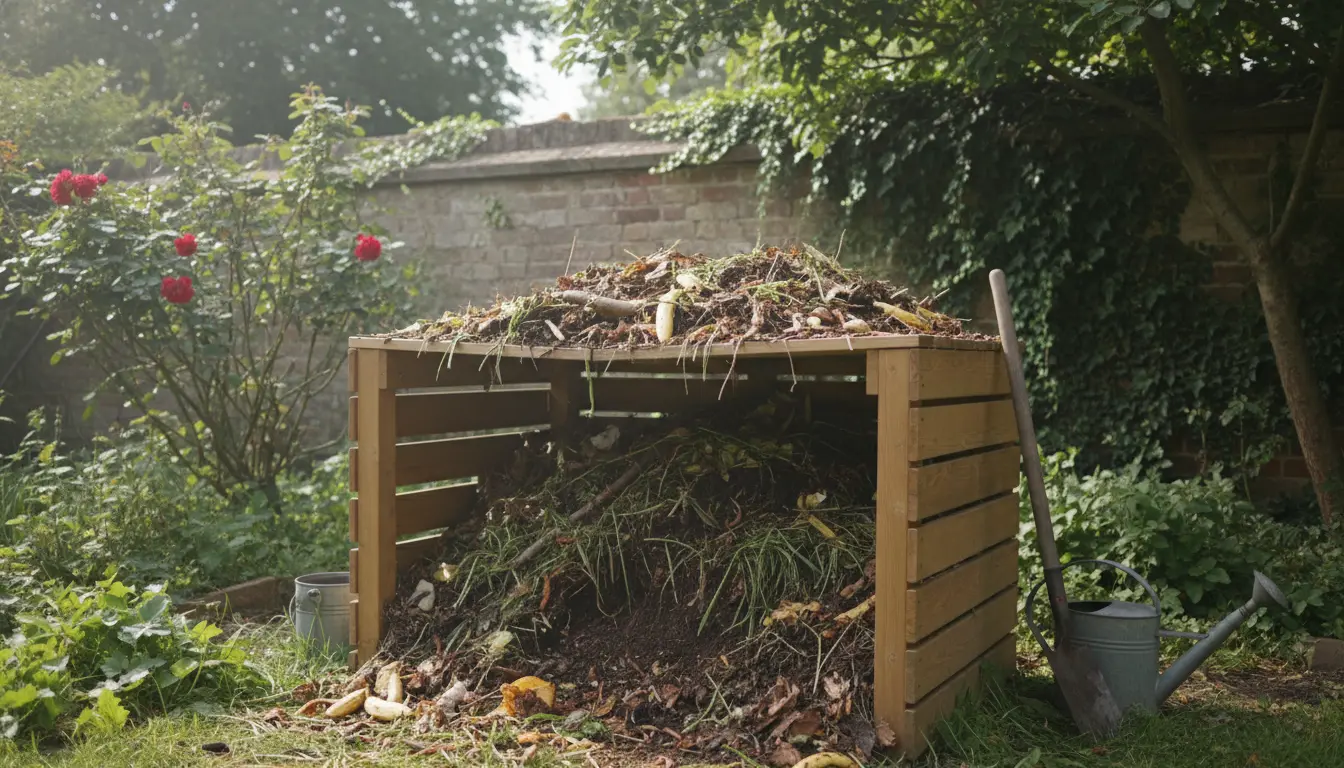
Why Home Composting Matters
Home composting turns kitchen scraps and yard waste into valuable soil amendment. It reduces household trash and lowers methane emissions from landfills.
For beginners, composting is an accessible way to improve garden soil and conserve resources without special equipment.
How to Start Home Composting
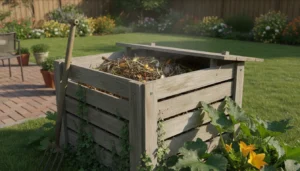
Start small and choose a method that fits your space and lifestyle. Common options are a compost bin, a tumbler, or a simple pile in a backyard.
Follow these first steps to set up a basic compost system:
- Pick a location with good drainage and partial shade.
- Collect brown materials (dry leaves, shredded paper) and green materials (food scraps, grass clippings).
- Layer brown and green materials, keeping the pile moist but not soggy.
Home Composting Materials
Knowing what goes in the compost is essential. Use a mix of carbon-rich and nitrogen-rich items for balanced decomposition.
- Carbon (brown): dry leaves, straw, cardboard, shredded paper.
- Nitrogen (green): vegetable scraps, coffee grounds, fresh grass clippings.
- Avoid: meat, dairy, fats, diseased plants, and pet waste to prevent pests and odors.
Setting Up a Bin
A simple bin can be made from a plastic compost bin or a wooden frame. Ensure airflow and easy access for turning the pile.
Tip: Place a layer of coarse material like twigs at the bottom to improve drainage and airflow.
Maintaining Your Home Compost
Maintenance is mostly about balance and occasional turning. A well-managed compost pile is active and warm in the center.
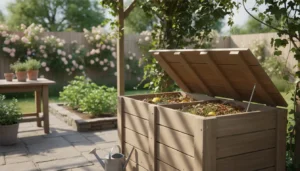
Follow this routine maintenance checklist:
- Turn the pile every 1–2 weeks to introduce air and speed up decomposition.
- Monitor moisture: the pile should feel like a wrung-out sponge.
- Add brown materials if the pile smells; add greens if decomposition is slow.
Composting Timeline
How long compost takes depends on materials, size, and how often you turn it. With regular turning and a good mix, compost can be ready in 2–4 months.
If you do minimal turning, expect 6–12 months for finished compost suitable for garden use.
Troubleshooting Common Problems
Beginners often face a few predictable issues. Troubleshooting is usually a matter of adjusting moisture, aeration, or materials.
- Bad odor: Add more brown materials and turn the pile to add air.
- Pile too dry: Add water and more green materials to speed decomposition.
- Pests: Avoid adding meat, dairy, and large chunks of food. Use a closed bin if animals are a problem.
Using Finished Compost
Finished compost is dark, crumbly, and smells earthy. Use it to improve soil structure and nutrient content.
Simple uses include mixing compost into garden beds, top-dressing lawns, or making compost tea for houseplants.
Composting can reduce household waste by up to 30 percent. Food scraps and yard trimmings make up a large portion of residential trash in many countries.
Small Real-World Example
Case study: A two-person urban household started a 200-liter tumbler in spring. They added kitchen scraps and shredded paper, turning the tumbler twice a week.
After four months they harvested dark compost and applied it to two balcony planters and a community garden bed. Their planter soil held moisture better and their tomato plants produced larger fruit that season.
Practical Tips for Beginners
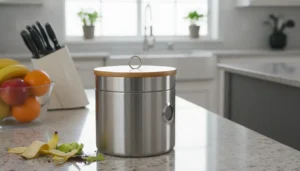
- Save kitchen scraps in a covered container in the freezer if you don’t want daily trips to the bin.
- Shred or chop materials to speed up decomposition.
- Keep a small supply of dry leaves or shredded paper to balance new green waste.
- Use a compost thermometer if you want to monitor temperature and optimize turning schedules.
Safety and Local Rules
Check local regulations if you live in an apartment complex or community with rules about outdoor bins. Some areas offer free composting workshops or municipal compost pick-up.
Always avoid composting pet feces and diseased plants to prevent pathogens in finished compost.
Conclusion
Home composting is a low-cost, practical step toward reducing waste and improving garden soil. Start simple, maintain balance, and adjust as you learn what works for your space.
With minimal effort, even beginners can turn household organic waste into a useful resource for plants and soil health.