
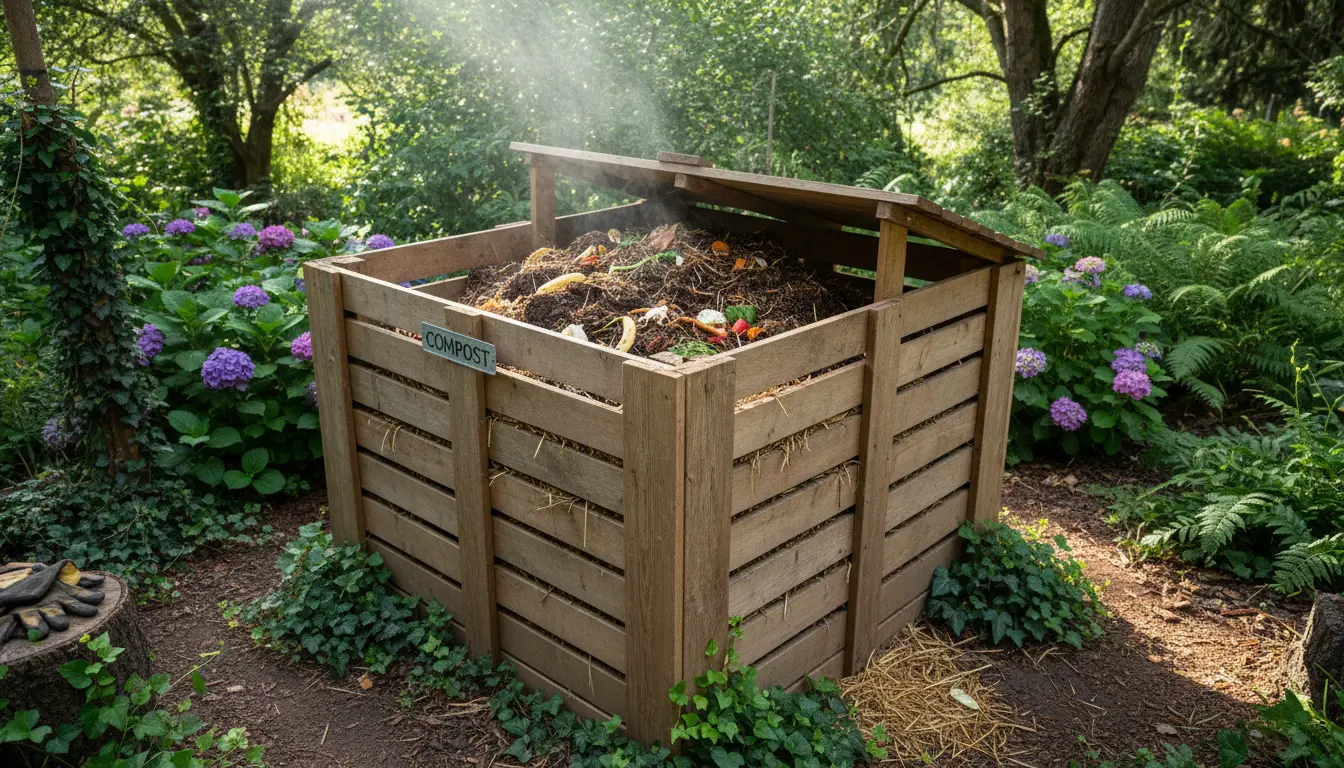
Composting at home turns kitchen scraps and yard waste into nutrient-rich soil. This guide gives clear steps and practical tips so beginners can start composting with confidence.
Why Home Composting Matters
Home composting reduces waste sent to landfills and lowers greenhouse gas emissions. It also improves soil health and reduces the need for chemical fertilizers.
How to Start Home Composting
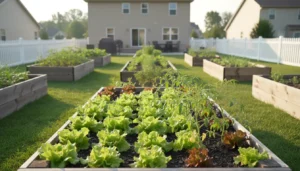
Starting is easier than many expect. Decide on a method, collect the right materials, and maintain balance between greens and browns.
Choose a Composting Method
Select a method that fits your space and lifestyle. Common options include a backyard pile, a compost bin, a tumbler, or indoor methods like vermicomposting.
- Backyard pile: Low cost, suitable for larger yards.
- Compost bin: Neat and contained; good for medium spaces.
- Tumbler: Faster decomposition and easier turning.
- Vermicomposting: Uses worms and works well indoors or in small spaces.
Set Up Your Compost Area
Place bins or piles on soil or a porous surface to allow drainage and access for organisms. If using a tumbler, ensure you can rotate it easily.
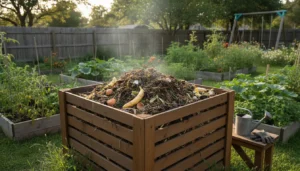
Provide partial shade to avoid overly dry or hot conditions. Keep the area accessible so you add materials regularly.
Materials to Include in Home Composting
Successful composting depends on a balanced mix of carbon-rich and nitrogen-rich materials. Aim for roughly a 25–30:1 carbon to nitrogen ratio.
Good Compost Materials
- Greens (nitrogen): vegetable scraps, fruit peels, coffee grounds, fresh grass clippings.
- Browns (carbon): dry leaves, straw, shredded paper, cardboard, wood chips.
- Small amounts of garden trimmings and diseased-free plant material.
Materials to Avoid
- Meat, dairy, and oily foods — can attract pests and cause odors.
- Diseased plants, invasive weeds with seeds, and pet waste from carnivores.
- Large woody branches — take too long to break down unless chipped.
Maintaining Your Compost
Turn or mix your compost to add oxygen and speed up decomposition. For bins and piles, turning every 1–2 weeks is a practical rhythm for most homeowners.
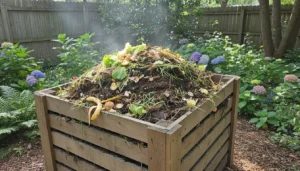
Monitor moisture: the pile should be as damp as a wrung-out sponge. If it’s too wet, add browns; if it’s too dry, add water and greens.
Troubleshooting Common Problems
- Bad smell: usually too much green or poor aeration. Turn pile and add dry brown material.
- Slow decomposition: pile might be too dry, too small, or lacking nitrogen. Increase moisture and add green materials or smaller pieces.
- Pests: avoid adding meat/dairy and secure the bin. Use a closed tumbler or remove food scraps to an indoor caddy if necessary.
Composting can reduce household waste by up to 30 percent. A single household compost pile can turn hundreds of pounds of food and yard waste into rich soil each year.
Using Finished Compost
Compost is ready when it looks dark, crumbly, and smells earthy. Sift out unfinished pieces and return them to the pile to continue breaking down.
Use finished compost as a soil amendment, topdressing for lawns, or a component in potting mixes. It improves water retention, structure, and nutrient content.
Simple Weekly Routine for Home Composting
- Collect kitchen scraps in a small covered container.
- Add scraps and yard trimmings to your compost system 2–3 times per week.
- Turn the pile or rotate the tumbler weekly; check moisture and add browns as needed.
- Use finished compost after 3–12 months depending on method and conditions.
Case Study: Success With Small Space Composting
Maria lives in a townhouse with a small patio and started vermicomposting with a two-bin worm bin. She collected vegetable scraps in a counter caddy and added bedding of shredded cardboard and dry leaves.
Within four months she harvested dark, crumbly compost that she mixed into potted herbs. Her food waste dropped by nearly half, and her herb plants grew noticeably stronger with less fertilizer.
Quick Tips for Home Composting Success
- Chop or shred materials to speed decomposition.
- Layer greens and browns rather than piling one type all together.
- Keep a small indoor caddy to reduce trips outside and odors inside your kitchen.
- If odor or pests become a problem, pause food additions and rebalance the pile.
Home composting is an achievable and rewarding practice that benefits your garden and the planet. With the right method and a simple routine, beginners can turn everyday waste into valuable soil in a few months.