
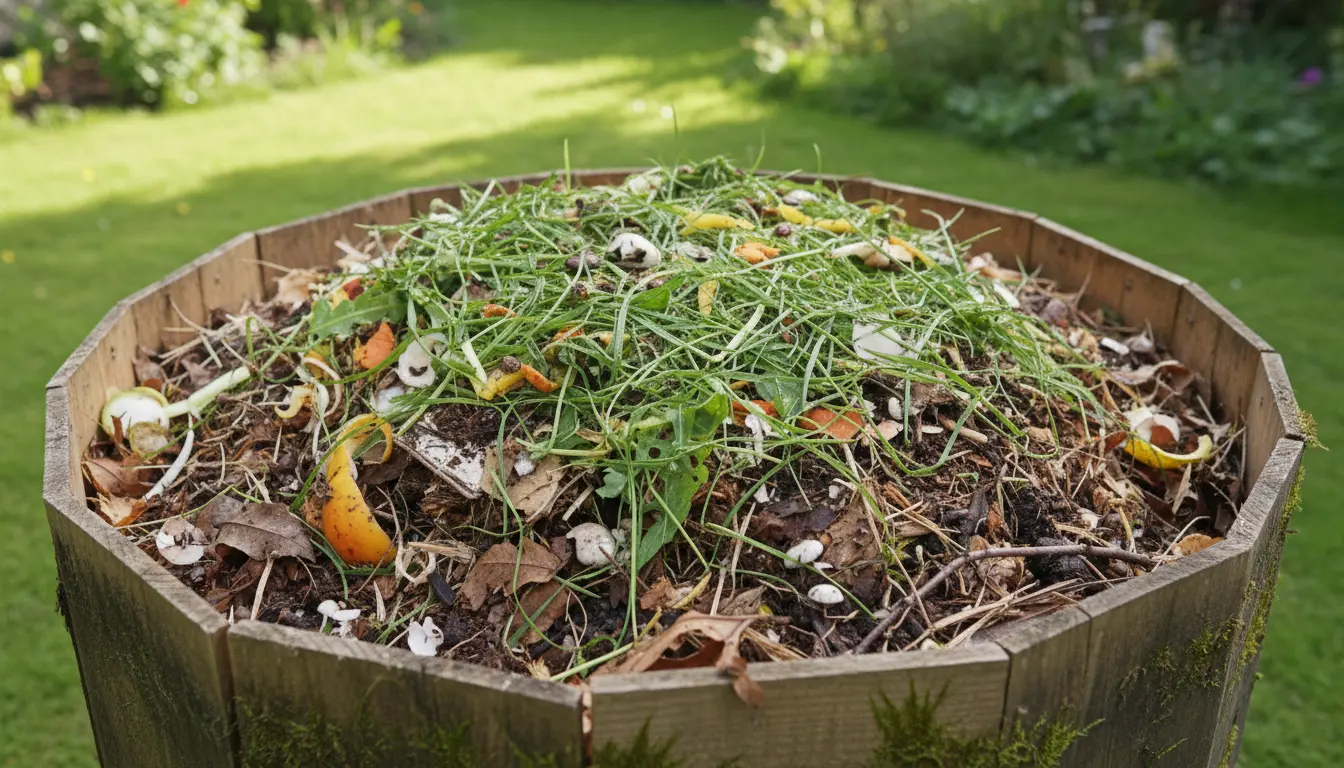
Home Composting for Beginners: Step-by-Step Guide
Home composting for beginners is a practical way to turn kitchen scraps and yard waste into rich soil. This guide shows simple, actionable steps to start composting at home, whether you have a yard or just a small balcony.
Choose a Composting Method
Start by picking a method that fits your space and schedule. Common options include a backyard pile, compost bin, tumbler, or vermicomposting (worm bin). Each method has pros and cons.
- Backyard pile: Low cost, needs space and occasional turning.
- Compost bin: Contained and neat, requires similar care to a pile.
- Tumbler: Easier to turn, more expensive, faster results.
- Vermicomposting: Ideal for small spaces and kitchens, uses red worms to process food scraps.
Pick a Location

Location matters. Choose a shady, well-drained spot close to your kitchen for convenience. If using a tumbler or bin on a balcony, ensure it has airflow and is protected from extreme heat or cold.
Good placement helps maintain moisture and makes turning easier.
Home Composting for Beginners: What to Compost
Compost works best with a balance of carbon-rich “browns” and nitrogen-rich “greens.” Aim for roughly a 3:1 ratio of browns to greens by volume for aerobic composting.
Greens (Nitrogen)
- Vegetable and fruit scraps
- Fresh grass clippings
- Coffee grounds and tea leaves
- Plant trimmings
Browns (Carbon)
- Dry leaves
- Shredded paper and cardboard (no glossy print)
- Straw or hay
- Wood chips and sawdust in small amounts

Avoid meat, dairy, oily foods, large bones, and diseased plants in open compost systems to reduce pests and odors. In worm bins, do not add citrus or onion in large amounts.
How to Build and Maintain Your Compost
Layering and basic maintenance determine how quickly compost matures. A simple routine keeps things healthy and odor-free.
Basic Steps
- Start with coarse materials at the bottom for airflow (twigs, straw).
- Add layers of greens and browns, keeping the top covered with browns to limit flies.
- Moisten materials so they feel like a wrung-out sponge; avoid soaking wet or bone dry.
- Turn or mix the pile every 1–3 weeks to introduce oxygen for faster decomposition.
Monitoring
Watch temperature and smell. A properly working pile will feel warm in the middle and have an earthy aroma. If it smells sour or rotten, add more browns and increase turning.
Troubleshooting Common Problems
Home composting for beginners often faces a few common issues. Quick fixes make composting more reliable.
- Smelly compost: Add dry browns and turn the pile to increase aeration.
- Slow decomposition: Chop or shred materials to increase surface area and check moisture.
- Pests: Avoid food scraps like meat and dairy, bury food under browns, or use a sealed tumbler.
- Too wet: Mix in dry browns and ensure drainage; consider covering the pile during heavy rain.
How to Harvest and Use Finished Compost
Finished compost is dark, crumbly, and smells like earth. Harvest from the bottom or side of the pile once materials are fully broken down.
Use finished compost in these ways:
- Mix into garden beds to improve soil structure and fertility.
- Top-dress potted plants with a thin layer of compost.
- Make compost tea by steeping compost in water for a gentle fertilizer.
Composting at home can reduce household waste by up to 30 percent and return valuable nutrients to the soil, cutting your need for chemical fertilizers.
Small Real-World Example
Case study: Sarah, a renter in Portland, used a 35-gallon tumbler on her small deck and a 10-liter worm bin inside. She separated food scraps into a countertop collector and emptied it into the worm bin three times a week. Within four months she had potting mix for herbs and reduced her trash outings from twice weekly to once every two weeks.
Key actions for her success were maintaining moisture, adding shredded cardboard in winter, and harvesting vermicompost for houseplants.
Quick Checklist for Home Composting for Beginners
- Choose a suitable method (bin, tumbler, pile, or worm bin)
- Balance greens and browns (about 3:1 by volume)
- Keep the pile moist and aerated
- Turn regularly and troubleshoot odors or pests quickly
- Harvest when the material looks dark and crumbly
Starting home composting for beginners is low-cost and practical. With the right method and routine, you can divert waste, improve soil, and enjoy healthier plants in a few months. Begin small, observe your system, and adjust as needed.