
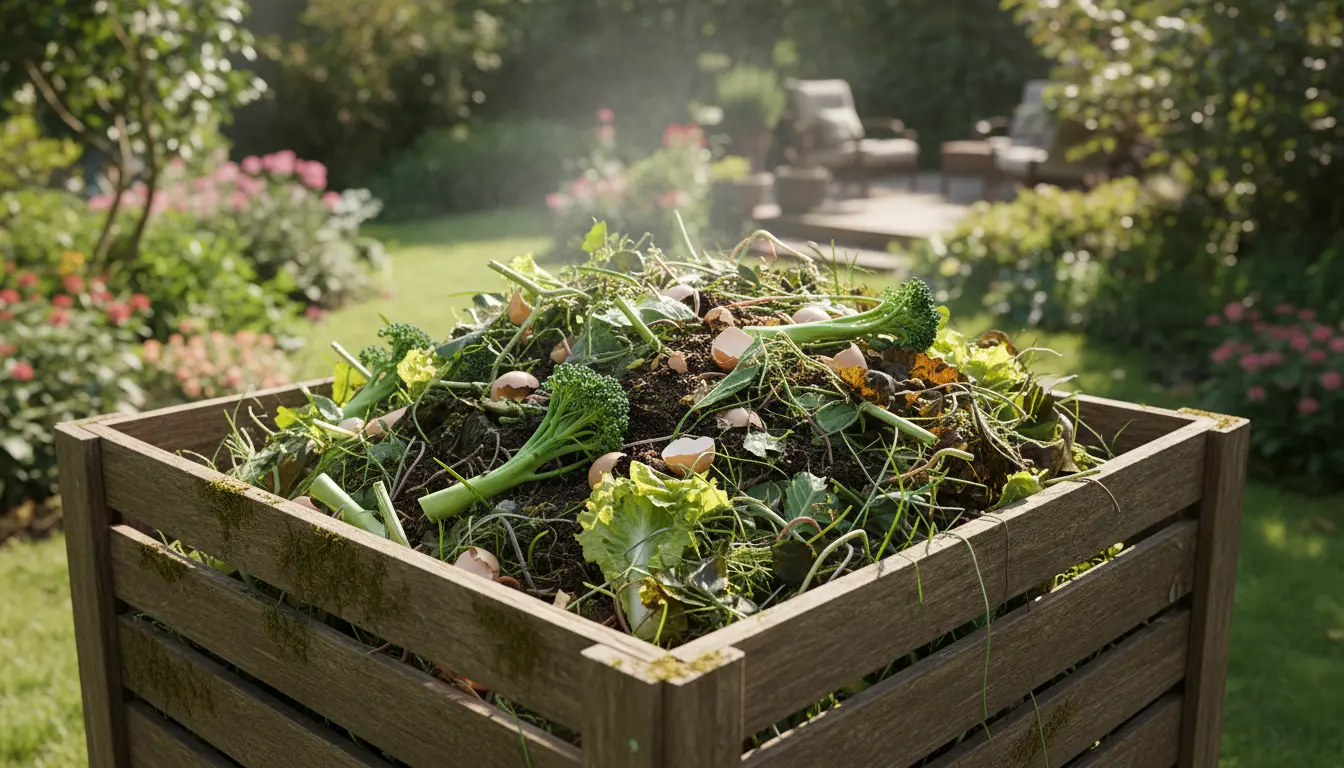
Composting at home turns kitchen scraps and yard waste into rich soil that boosts plant growth and cuts landfill waste. This guide gives clear steps for beginners to start and maintain a successful home compost system.
Why Home Composting Matters
Home composting reduces household waste and improves soil structure. It also returns nutrients to your garden, helping plants retain water and resist pests.
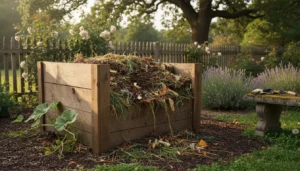
Even small urban setups or container systems can make a measurable environmental difference.
Choose the Right Compost System
Selecting the right system sets you up for success. Here are common options for home composting:
- Compost bin: Enclosed and tidy, good for backyards.
- Tumbler: Easy to turn and faster decomposition, ideal for small spaces.
- Compost pile: Low cost, works for larger yards but needs more management.
- Worm bin (vermicomposting): Best for small indoor or balcony setups and kitchen scraps.
Pick a system that fits your space, budget, and how fast you want compost.
Balance Greens and Browns for Healthy Compost
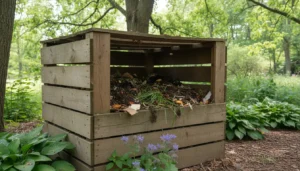
Composting requires a balance of nitrogen-rich ‘greens’ and carbon-rich ‘browns’. Getting this right speeds decomposition and prevents odors.
Examples of Greens and Browns
- Greens: Vegetable peels, fruit scraps, coffee grounds, fresh grass clippings.
- Browns: Dry leaves, shredded paper, cardboard, straw, wood chips.
A common guideline is roughly 2 parts browns to 1 part greens by volume, but adjust based on moisture and smell.
Step-by-Step: How to Start Composting at Home
Follow these practical steps to begin:
- Choose a location with partial shade and good drainage.
- Select a bin or set up a pile. Ensure airflow and access for turning.
- Add a base layer of coarse browns like twigs for drainage.
- Layer greens and browns, keeping layers thin to aid airflow.
- Keep the pile moist like a wrung-out sponge.
- Turn or aerate the pile every 1–2 weeks to speed up decomposition.
Troubleshooting Common Problems in Home Composting
Even simple systems can run into issues. Here are quick fixes for common problems.
Problem: Bad Smell
Cause: Too wet or too many greens. Fix: Add more browns, turn the pile, and improve drainage.
Problem: Slow Decomposition
Cause: Too dry, too large pieces, or poor airflow. Fix: Add water if dry, chop materials smaller, and turn the pile more often.
Problem: Fruit Flies or Pests
Cause: Exposed food scraps. Fix: Bury food under browns, use a closed bin, or consider a worm bin indoors.
When Is Compost Ready to Use?
Finished compost is dark, crumbly, and smells earthy. Particle size should be uniform and no recognizable food pieces remain.
Depending on the method, compost can be ready in 2–6 months for an active, turned pile, or longer for slower systems.
Using Finished Compost in Your Garden
Use finished compost as:
- Soil amendment: Mix 1–3 inches into garden beds to improve structure and nutrient content.
- Mulch: Apply a 1–2 inch layer around plants to conserve moisture.
- Potting mix component: Blend with garden soil and sand for container plants.
Small Real-World Example
Case Study: A three-family townhouse block started a shared 200-liter tumbler. They collected kitchen scraps in sealed buckets and swapped turning duties weekly.
Within four months the group had rich compost for planters and a 40% reduction in weekly trash volume. Minimal odors and no pests were reported because they balanced greens and browns and kept the tumbler turned.
Tips to Make Home Composting Easier
- Keep a small kitchen caddy with a carbon filter or sealed lid for scraps.
- Chop larger materials to speed breakdown.
- Save fallen leaves in autumn as free browns for winter composting.
- Label bins and rotate content so you always have a resting batch.
Composting can divert up to 30% of household waste from landfills and reduce methane emissions from organic matter in landfill settings.
Final Checklist for Beginners
- Choose a bin that fits your space and habits.
- Maintain a 2:1 ratio of browns to greens when possible.
- Keep the pile moist and aerate regularly.
- Monitor for pests and odors and adjust materials.
- Harvest finished compost and apply it to your garden.
Starting home composting is practical and cost-effective. With a small investment in a bin and a routine for turning and balancing materials, you can produce valuable compost while reducing waste.