
Why Home Composting for Beginners Matters
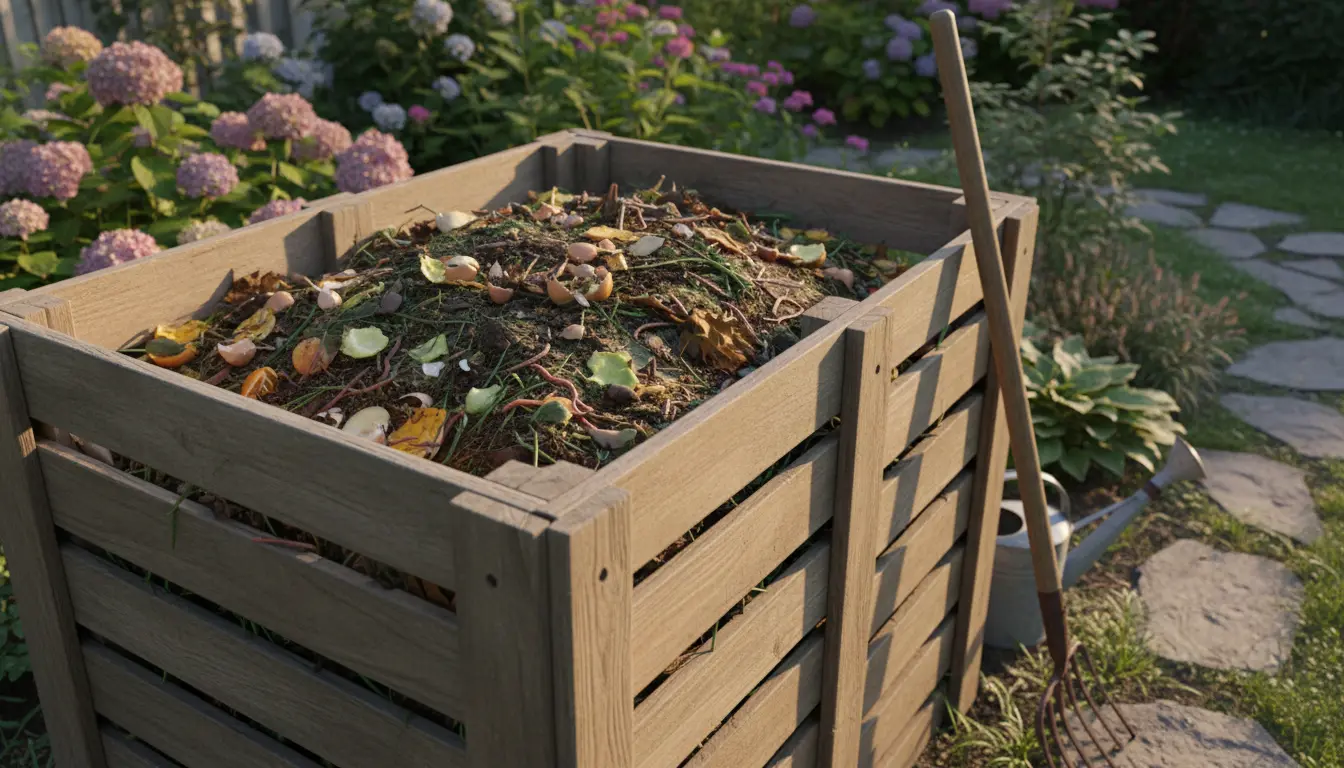
Home composting turns kitchen scraps and yard waste into a valuable soil amendment. It reduces household waste and improves garden soil without relying on chemical fertilizers.
For beginners, composting can seem technical, but basic systems are simple to set up and maintain. This guide gives clear, practical steps to get started.
How to Set Up Home Composting for Beginners
Choose a location that is convenient and has some drainage, like a corner of the yard or a shady spot near the house. The site should be accessible year-round for adding material and occasional turning.
Decide on a composting method. Common options include a simple bin, a tumbler, or a stationary pile. Each method works; pick one that fits space and effort preferences.
Choosing a Bin for Home Composting for Beginners
Bins keep the pile contained and can speed up decomposition. A basic plastic or wooden bin works well for most homes. Tumblers are cleaner and faster but cost more.
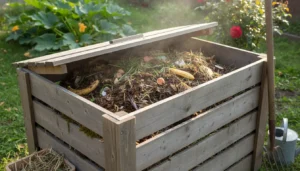
Important features to look for are air holes for aeration, a lid to keep pests out, and a size that matches the amount of waste your household produces.
Materials: What to Put in Your Compost
Compost needs a mix of brown (carbon) and green (nitrogen) materials. A good ratio is roughly three parts brown to one part green by volume.
- Green materials: fruit and vegetable scraps, coffee grounds, fresh grass clippings, plant trimmings.
- Brown materials: dry leaves, shredded paper, cardboard, straw, small wood chips.
- Avoid: meat, dairy, oils, diseased plants, and pet waste to prevent odors and pests.
Layering and Aeration
Start with a layer of coarse brown material to improve drainage. Alternate green and brown layers and keep the pile moist like a wrung-out sponge.
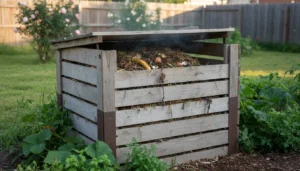
Turn the pile every 1–2 weeks to add oxygen. Aeration speeds decomposition and reduces odors. If using a tumbler, rotate it according to the manufacturer’s guidance.
Maintenance and Troubleshooting for Home Composting for Beginners
Monitor moisture, temperature, and smell. A healthy compost pile is warm centrally and has an earthy smell.
Common problems are easy to fix. If the pile smells, add more brown material and aerate. If decomposition is slow, chop materials smaller and increase the surface area.
Compost Temperature and Time
Active compost can reach 120–150°F (49–66°C) in the center, which speeds breakdown and kills weed seeds. Home systems often operate at lower temperatures but still produce good compost.
Typical composting time ranges from 2 months (hot, well-managed piles) to 1 year for more passive systems. Expect longer in cold seasons.
Composting can reduce household waste by up to 30 percent by weight. Finished compost improves soil structure, water retention, and nutrient content.
Using Finished Compost
Compost is ready when it is dark, crumbly, and earthy-smelling, with no recognizable food pieces. Screen it if you want a finer texture for potting mixes.
Use finished compost as a top dressing, soil amendment, or potting mix ingredient. It improves nutrient availability and supports beneficial soil life.
Simple Case Study: A Small Urban Home Starts Composting
Maria, an apartment gardener, began composting in a 20-gallon tumbling bin on her balcony. She collected fruit and vegetable scraps and mixed them with shredded cardboard and dry leaves from nearby parks.
After three months of regular turning and keeping moisture steady, Maria had several buckets of rich, dark compost. She mixed this into her container soil and noticed healthier tomato and herb growth the next season.
Tips and Best Practices for Home Composting for Beginners
- Keep material small: chop or shred large items to speed decomposition.
- Balance greens and browns: too much green causes smells; too much brown slows the process.
- Keep it moist but not soggy: water during dry spells, cover if heavy rain so the pile doesn’t become waterlogged.
- Use a kitchen caddy with a tight lid to collect scraps; empty into the bin every few days.
- Label layers or keep a simple log to help maintain the right balance if you manage multiple batches.
Examples of Easy Compost Additions
- Green: coffee grounds, tea bags (paper), vegetable peels, fresh garden clippings.
- Brown: shredded newspaper, torn cardboard, dry leaves, sawdust from untreated wood.
Final Checklist to Start Home Composting for Beginners
- Choose location and bin type that fits your space.
- Gather brown and green materials before you begin.
- Maintain moisture and aeration through regular turning.
- Monitor and adjust if odors or pests appear.
- Use finished compost to improve garden soil and reuse yard resources.
Home composting for beginners is low cost and high impact. With a modest initial effort, you can divert waste, enrich soil, and grow healthier plants. Start small, learn with each batch, and adjust to your local climate and household needs.