
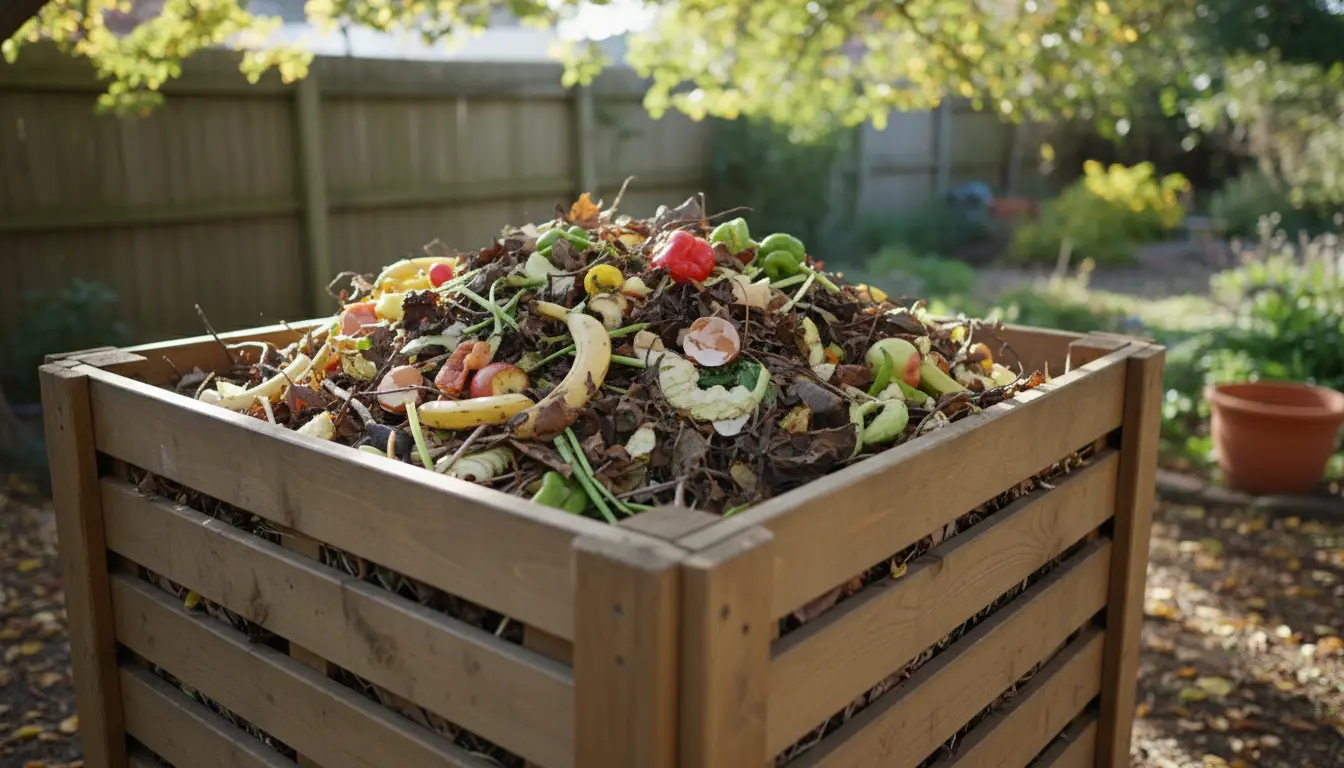
Why Home Composting Matters
Home composting turns kitchen and yard waste into a useful soil amendment while reducing landfill contributions. It saves money, improves garden soil, and lowers household waste volume.
This guide explains simple, practical steps to start composting at home, whether you have a backyard or a small balcony.
Home Composting Basics
Composting depends on four fundamentals: materials, moisture, air, and time. Managing these elements helps microbes break organic matter into humus.
Keep the system simple. A basic bin, a mix of materials, and occasional turning are enough to produce quality compost.
Where to Put Your Compost Bin
Choose a level spot with good drainage, partial shade, and easy access. If you live in an apartment, use a compact tumbler or a worm bin indoors.
Place the bin near a water source to make occasional moistening easier.
Types of Composting Systems
- Tumbler bins – good for faster mixing and fewer pests.
- Static bins – simple and low cost, require occasional fork turning.
- Worm composting (vermicomposting) – ideal for small spaces and kitchen scraps.
- Pile composting – for larger yards and high volume of materials.
What to Compost: Greens and Browns
Successful composting requires a balance of nitrogen-rich “greens” and carbon-rich “browns.” Aim for a rough 1:2 ratio by volume (greens to browns).
Greens (Nitrogen)
- Vegetable scraps and fruit peels
- Fresh grass clippings
- Tea bags and coffee grounds
- Garden trimmings (non-woody)
Browns (Carbon)
- Dry leaves and straw
- Shredded paper and cardboard (non-glossy)
- Wood chips and sawdust (small amounts)
- Dry plant stalks
How to Build and Maintain a Compost Pile
Start with a layer of coarse material to help airflow. Alternate layers of greens and browns, keeping material pieces small for faster breakdown.
Keep the pile moist but not soggy—about as damp as a wrung-out sponge.
Turning and Monitoring
Turn the pile every 1–2 weeks to introduce oxygen and speed decomposition. Use a pitchfork or a tumbler for easy mixing.
Monitor temperature: a warm center (120–150°F or 50–65°C) indicates active composting. If it cools, add more greens and turn the pile.
Troubleshooting Common Issues
- Bad smells: likely too much green or too wet; add browns and turn more often.
- Pests: avoid meat, dairy, and oily foods; use a closed bin or bury scraps in the pile.
- Slow breakdown: chop or shred materials, increase moisture slightly, and turn more regularly.
Composting can reduce household waste by up to 30 percent. Finished compost can improve water retention and soil structure in gardens, reducing the need for irrigation and fertilizers.
How to Know When Compost Is Ready
Finished compost looks dark, crumbly, and earthy-smelling. Most recognizable bits of original material should be gone or unrecognizable.
Small batches in a tumbler can be ready in 6–8 weeks; larger static piles may take several months.
Using Finished Compost
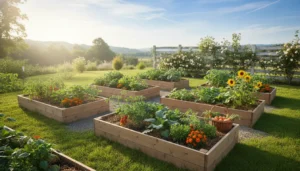
- Mix into garden beds at a ratio of about 1 part compost to 4 parts soil.
- Top-dress lawns with a thin layer (1/4 to 1/2 inch) and water lightly in.
- Use as a potting mix ingredient by blending with peat-free alternatives or coconut coir.
Small Real-World Case Study
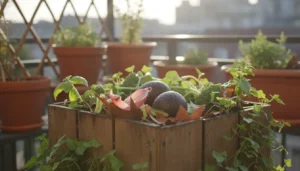
Case: A two-person household in a suburban apartment started vermicomposting in a 10-gallon bin. They diverted their kitchen scraps into the worm bin for 12 months.
Result: They reduced weekly trash by 40 percent and produced about 10 liters of high-quality worm castings per year. Their balcony container tomatoes saw improved growth and fewer watering needs.
Quick Tips for Success
- Chop or shred large items before adding them to the pile.
- Keep a small compost caddy in the kitchen to collect scraps easily.
- Maintain a mix of materials—avoid adding only one type for long periods.
- Rotate locations or bins if pests or smell persist.
Final Checklist to Start Composting
- Choose a bin type that fits your space and volume.
- Gather a steady supply of greens and browns.
- Monitor moisture and turn every 1–2 weeks.
- Harvest finished compost and apply it to plants.
Home composting is a low-cost, high-impact way to manage organic waste and improve soil health. Start small, learn by doing, and adjust your process as you go.