
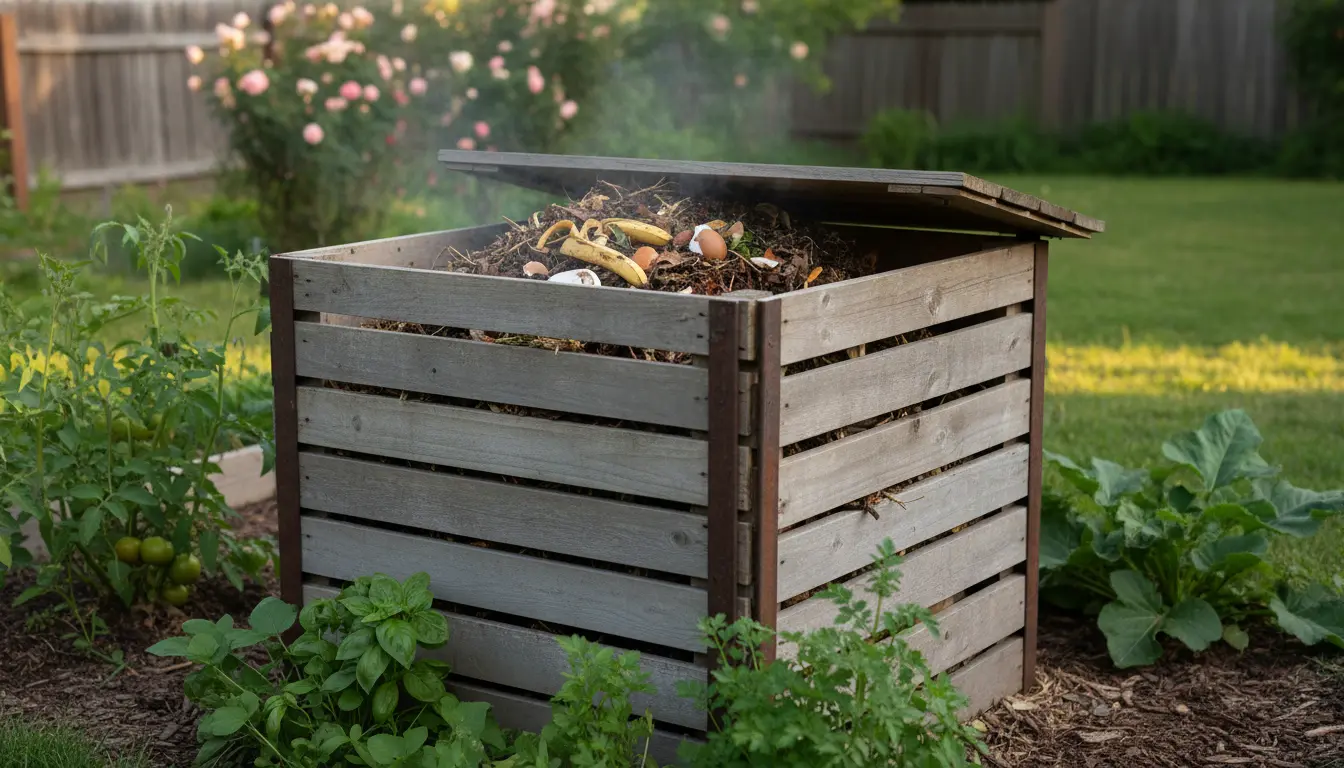
Why try home composting
Home composting turns kitchen scraps and yard waste into nutrient-rich soil. It reduces trash, lowers landfill methane, and improves garden health.
This guide walks beginners through setup, daily care, and common problems. The instructions use plain language and practical steps you can follow today.
How home composting works
Composting is a controlled natural process where microorganisms break down organic material. The key elements are carbon, nitrogen, moisture, and air.
Balanced inputs and occasional turning speed up decomposition and prevent odors. You can compost in a bin, tumbler, or a simple pile depending on space and preference.
Key composting principles
- Carbon-rich materials (browns): dry leaves, straw, shredded paper.
- Nitrogen-rich materials (greens): vegetable scraps, coffee grounds, grass clippings.
- Moisture: slightly damp, like a wrung-out sponge.
- Air: occasional turning introduces oxygen to feed aerobic microbes.
Choosing the right system for home composting
Select a method that matches your space, budget, and effort level. Common options work well for beginners and produce good compost.
Popular compost systems
- Compost bin: A steady, low-effort option for small yards. Keep adding materials over time.
- Tumbler: Easier to turn and faster to finish, ideal for those who want quick results.
- Bokashi: Fermentation system that handles cooked food and meat, then requires soil burial or composting the fermented mass.
- Vermicompost (worms): Great for apartments or indoor setups using red wiggler worms to process food waste.
Setting up your first compost bin

A simple bin setup will teach the basics without costing much. Follow these steps for a reliable start.
Step-by-step setup for home composting
- Pick a location: partial shade near water access makes maintenance easier.
- Choose a bin size: a 3x3x3 foot volume is a good active compost size for many households.
- Add a base layer: 4–6 inches of coarse browns like twigs to improve drainage.
- Alternate layers: add greens and browns in roughly 1:2 ratio by volume.
- Maintain moisture and airflow: keep damp but not soggy and turn every 1–2 weeks.
What to compost and what to avoid
Knowing what materials to include helps avoid pests and bad smells. Use the following lists to manage inputs well.
Safe items to compost
- Vegetable and fruit scraps
- Coffee grounds and filters
- Eggshells (crushed)
- Dry leaves, straw, and shredded paper
- Grass clippings in thin layers
Items to avoid or handle carefully
- Meat, dairy, and oily foods (unless using Bokashi or hot composting)
- Diseased plants or invasive weeds with seeds
- Pet feces from carnivores
- Large woody branches (shred first)
Composting can cut household waste volume by 30 to 50 percent and return valuable nutrients to soil in just a few months with the right balance of materials.
Simple maintenance tips for successful home composting
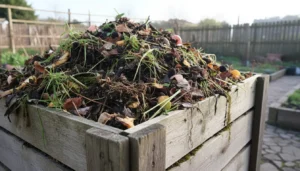
Routine care prevents common problems. You do not need to spend hours each week—short checks and occasional turning are enough.
Weekly tasks
- Check moisture and add water if dry or more browns if soggy.
- Turn or stir the pile to add oxygen and mix materials.
- Add a fresh layer of browns after many green additions.
Troubleshooting common issues
- Bad smell: add more browns and turn to introduce air.
- Pests: bury food scraps under a layer of browns; use a closed bin if needed.
- Slow breakdown: chop materials smaller and ensure moisture and warmth.
Small real-world example
Case study: A two-person household in Portland started a 50-gallon tumbler. They added kitchen scraps and yard waste, turning weekly and keeping a 2:1 brown-to-green mix.
After four months they had rich compost that improved potted herbs and reduced trash pickups by one bag every other week. Minimal time was required—about 10 minutes per week.
Using finished compost and next steps
Finished compost looks dark, crumbly, and earthy. Use it to top-dress lawns, mix into potting soil, or enrich garden beds.
Start small and scale up. Try a tumbler if you want faster results, or add a worm bin for apartment composting. Track what works and adjust your browns and greens over time.
Home composting for beginners is a low-cost, practical way to reduce waste and build healthier soil. Begin with a simple bin, keep the balance right, and you will see results within months.