
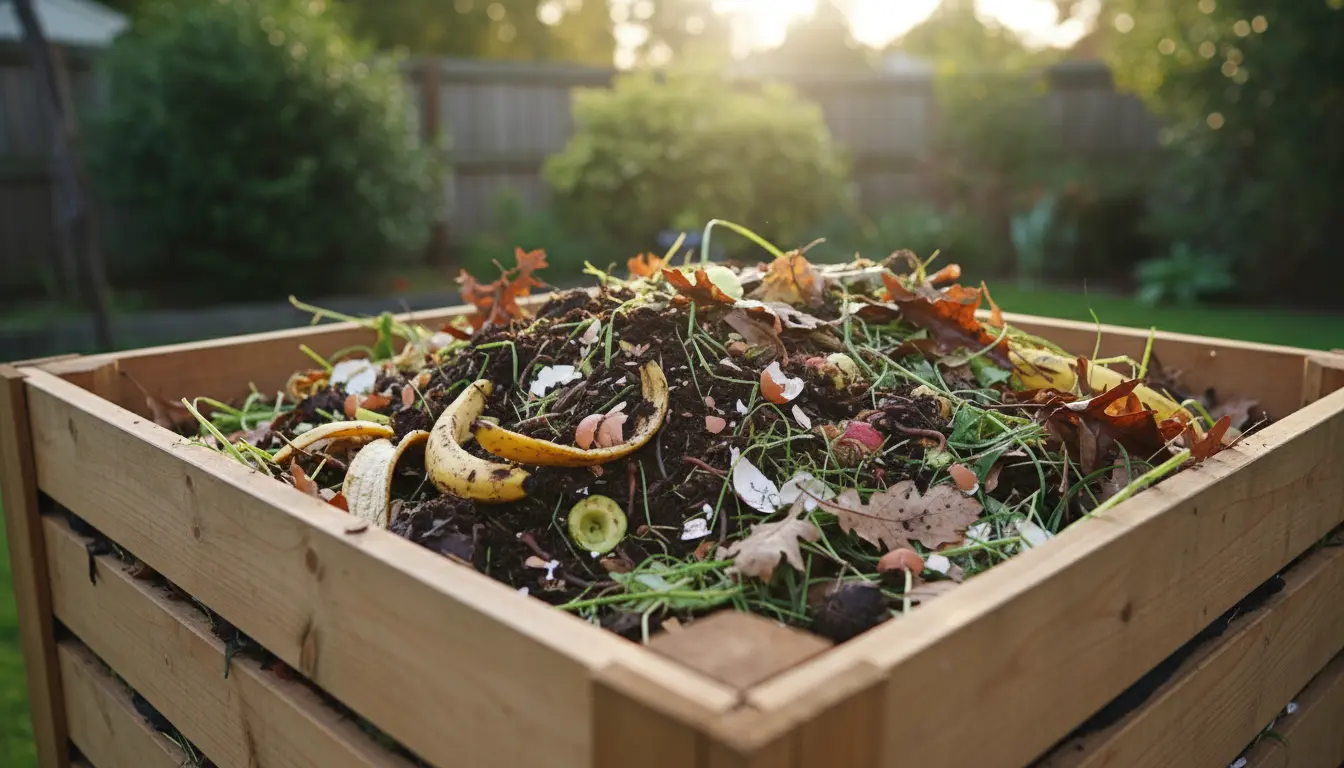
Home composting is a simple way to turn kitchen scraps and yard waste into nutrient-rich soil. This practical guide explains what you need, how to build a compost pile, and common problems to fix.
What Is Home Composting?
Home composting is the natural breakdown of organic materials by microbes, worms, and insects. The result is compost, a dark, crumbly substance that improves soil structure and plant health.
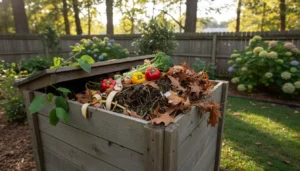
Composting reduces household waste and lowers the need for chemical fertilizers. It works in garden beds, bins, tumblers, and even small apartment setups.
Why Start Home Composting?
Composting has multiple benefits for homes and gardens. It diverts waste from landfills and recycles nutrients back into the soil. Compost also improves moisture retention and soil aeration.
Starting is low-cost and has immediate environmental benefits. You can begin with items already in your kitchen and yard.
How to Start Home Composting
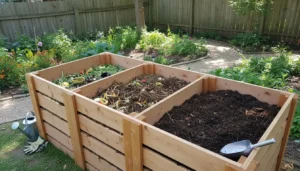
Follow a few basic steps to start a successful compost system at home. Choose a method that fits your space and time.
Choose a Compost Method
- Compost bin: Enclosed and tidy, good for yards.
- Tumbler: Easy to turn and speeds up decomposition.
- Open pile: Works for large yards, needs more maintenance.
- Worm bin (vermicompost): Ideal for apartments and small spaces.
Pick a Location
Place the compost unit on bare soil or a flat, shaded spot. Good drainage and airflow help microbes break down material faster. Avoid constant direct sun if you live in a hot climate.
Layer Materials: Browns and Greens
Balance carbon-rich materials (browns) with nitrogen-rich materials (greens). A simple ratio is roughly 3 parts browns to 1 part greens by volume.
- Greens: Vegetable scraps, coffee grounds, fresh grass clippings.
- Browns: Dry leaves, shredded paper, cardboard, straw.
Chop or shred larger items to speed decomposition. Keep layers thin and mix occasionally.
Maintaining Your Home Compost
Good compost needs air, moisture, and the right balance of materials. Turning the pile every 1–2 weeks introduces oxygen and speeds up the process.
Water and Aeration
Compost should feel like a wrung-out sponge — damp but not soggy. Add water during dry spells and add browns if the pile becomes too wet.
Use a pitchfork or tumbler handle to turn compost. Aeration reduces odors and supports aerobic microbes.
Temperature and Time
Active composting heats the pile to 120–160°F (50–70°C). Hot composting breaks down materials faster and kills weed seeds. Cold composting takes longer but requires less work.
Expect finished compost in 2–12 months depending on method and attention.
Troubleshooting Common Problems
Many compost issues are easy to fix with small adjustments.
- Bad odor: Add more browns and turn the pile to add air.
- Too dry: Add water and some greens.
- Slow breakdown: Chop materials finer, increase moisture, or add nitrogen-rich greens.
- Pests: Use enclosed bins, bury food scraps in the pile, and avoid meat or dairy.
Food scraps and yard waste can make up more than 30 percent of household garbage. Composting them reduces methane emissions from landfills and returns nutrients to soil.
Small Real-World Case Study
Case study: A two-person household in a townhouse started a 50-gallon compost tumbler on a balcony. They added coffee grounds, fruit and vegetable peels, shredded paper, and dry leaves.
After turning the tumbler twice a week and maintaining moisture, they had usable compost in about 4 months. The family used the compost in container herbs and saw stronger growth and fewer watering needs.
Tips for Apartment Composters
Apartment dwellers can succeed with vermicomposting or a small indoor bokashi system. Both limit space and odor while producing rich compost or pre-compost that can be buried in soil later.
- Use a small bin with a tight lid and bedding (shredded paper) for worms.
- Avoid citrus overload and large volumes of onion or garlic in worm bins.
- Empty bokashi liquid periodically and follow product instructions for safe use.
Using Finished Compost
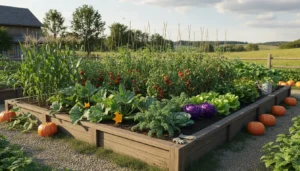
Finished compost is dark, crumbly, and smells earthy. Use it as a soil amendment, top dressing, or potting mix ingredient. Mix 1–2 inches of compost into garden beds or add 10–20% compost to potting mixes.
Final Checklist for Home Composting Success
- Choose a compost method that fits your space and lifestyle.
- Balance browns and greens and chop materials small.
- Keep the pile moist and aerated; turn regularly.
- Troubleshoot odors, pests, or slow breakdown quickly.
- Use finished compost to improve soil and reduce fertilizers.
Home composting is a practical way to reduce waste and grow healthier plants. Start small, learn from each batch, and adjust techniques to suit your climate and available space.