
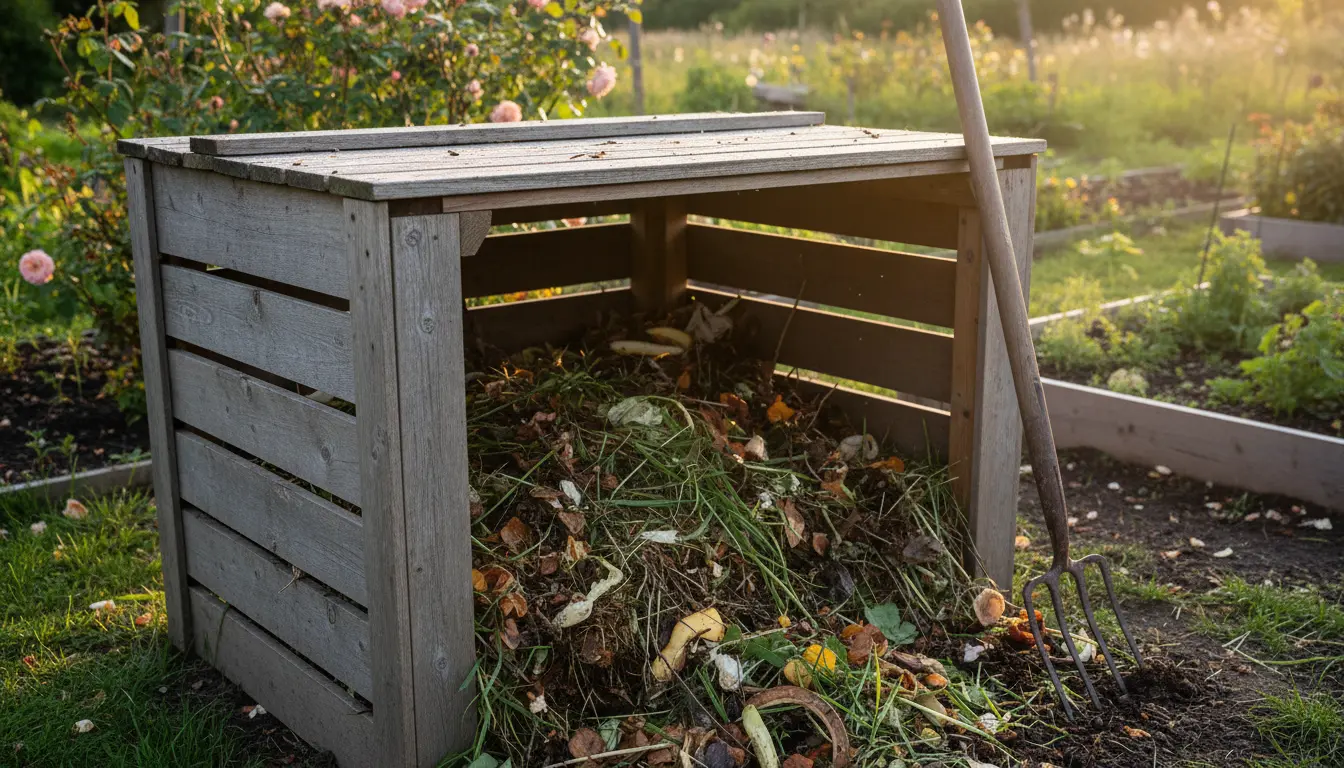
Composting at home turns kitchen scraps and yard waste into nutrient-rich soil. This guide explains practical steps for home composting, common problems, and a simple starter plan you can use this week.
Home Composting Basics
Home composting is the controlled breakdown of organic materials by microbes and invertebrates. The result is dark, crumbly compost you can use to improve soil structure and plant health.
Why practice home composting
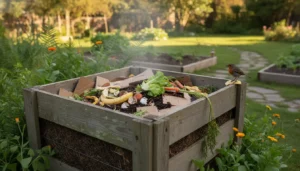
Composting reduces waste sent to landfills and returns valuable nutrients to the garden. It lowers methane emissions from landfills and cuts household waste costs.
What materials to use in home composting
Success depends on mixing carbon rich and nitrogen rich materials. Aim for a balanced mix to keep decomposition steady.
- Greens (nitrogen): vegetable scraps, coffee grounds, fresh grass clippings.
- Browns (carbon): dry leaves, straw, shredded paper, cardboard pieces.
- Avoid: meat, dairy, oily food, diseased plants, and pet waste.
How to Start Home Composting
Starting is a few simple steps rather than a long setup. You can begin with a small bin or a simple heap in the yard.
Starter checklist for home composting
- Choose a location with some shade and good drainage.
- Select a bin or prepare a pile on bare soil.
- Gather a mix of greens and browns before you begin.
- Moisten materials to about the consistency of a wrung-out sponge.
- Monitor and turn the pile weekly until compost is ready.
Turning the pile introduces oxygen and speeds decomposition. If you prefer low-effort composting, use a tumbling bin and turn every few days.
Simple home composting routine
- Week 1: Start with a 10 to 12 inch base of coarse browns for airflow.
- Ongoing: Add kitchen scraps and cover with browns each time.
- Maintenance: Turn or stir weekly if possible; check moisture.
- Finish: Compost is ready in 2 to 6 months depending on conditions.
Well-managed compost can reach internal temperatures above 130 F for short periods. These temperatures help kill weed seeds and many pathogens.
Choosing a Compost Bin for Home Composting
Pick a bin that fits your space and effort level. Options include open piles, stationary bins, tumblers, and worm farms for indoor or small-space composting.
Bin types and when to use them
- Open pile: cheapest, good for large yards, needs turning with a pitchfork.
- Stationary bin: contains material, looks tidy, moderate effort to turn.
- Tumbling bin: easy to aerate, ideal for fast results and small yards.
- Worm bin (vermicompost): best for apartments and kitchens, produces nutrient-dense castings.
Ensure any bin has airflow and retains moisture. Place on soil or compostable surface to allow beneficial organisms to enter.
Troubleshooting Home Composting Problems
Common issues and fixes
- Bad smell: Fix by adding more browns and turning the pile to introduce air.
- Pests: Avoid meat and fatty scraps, use a closed bin, or bury new food layers under browns.
- Slow breakdown: Chop materials smaller, check moisture, and add nitrogen-rich greens.
- Dry pile: Add water and greens to reach damp sponge consistency.
Regular observation is the best prevention. A healthy pile smells earthy, not rotten.
Small Space Home Composting Example
Not everyone has a backyard, but composting still works on balconies and in kitchens. Vermicomposting and small tumblers are effective in tight spaces.
Case study: Sarah’s balcony compost
Sarah lives in an apartment and started a worm bin on her balcony. She used a plastic stackable bin with ventilation and bedding made from shredded paper and coconut coir.
- Month 1: Added coffee grounds, fruit scraps, and vegetable peels twice a week.
- Month 3: Worms increased and material reduced by half; she harvested a small batch of castings.
- Result: Sarah used the castings to feed potted herbs and reduced her food waste by 40 percent.
This small-scale example shows that even limited space can produce useful compost with consistent, simple care.
Practical Tips for Successful Home Composting
- Keep a countertop collection container to store scraps and reduce trips to the bin.
- Chop or shred larger items to speed decomposition.
- Monitor temperature and moisture to identify issues early.
- Use finished compost as a soil amendment, top dressing, or potting mix ingredient.
Getting started is the most important step. Begin with a small, manageable system and expand as you learn what works for your home.
With the right balance of materials, simple routines, and occasional attention, home composting becomes a low-effort habit that benefits both your plants and the planet.