
Why Choose Home Composting
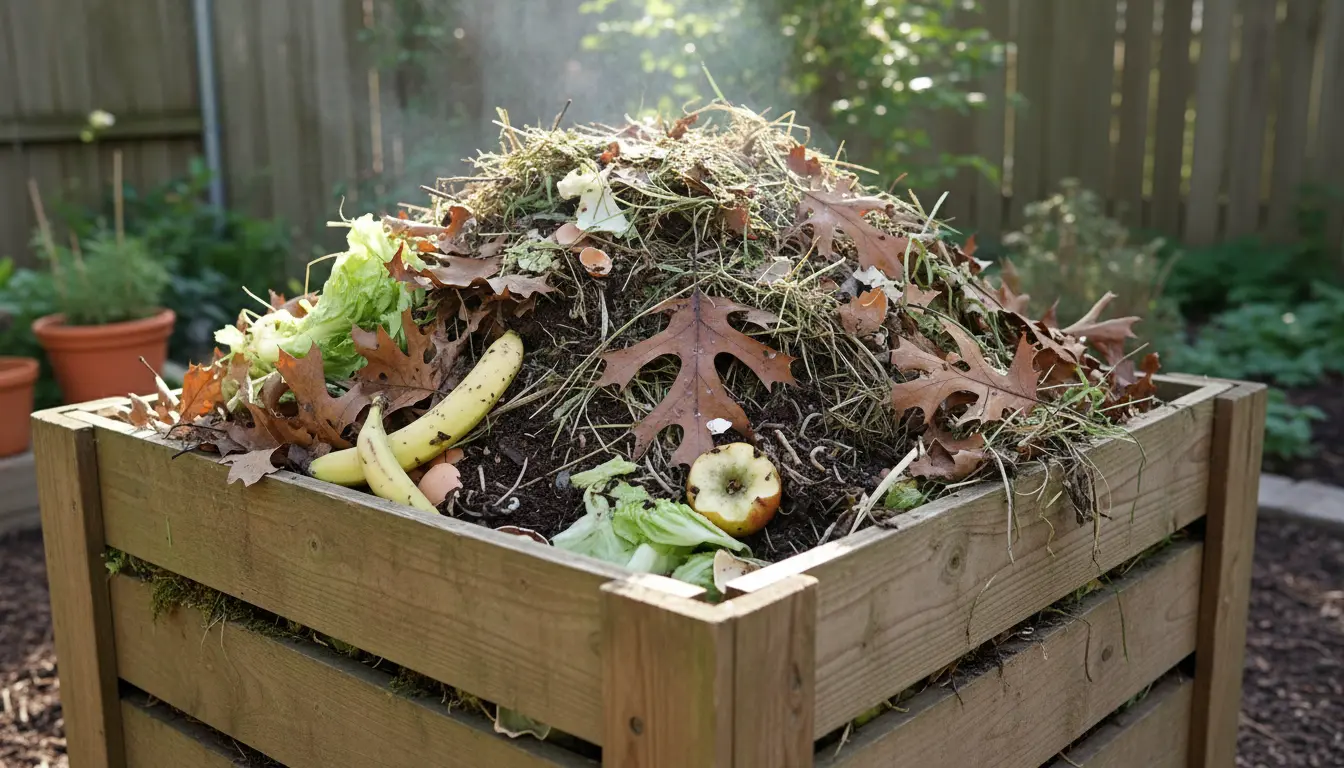
Home composting turns kitchen and yard waste into nutrient-rich soil. It reduces landfill waste and improves garden health without chemical fertilizers.
Compost is simple to make and can save money while supporting sustainable practices. This guide gives practical steps for beginners to start composting at home.
Home Composting Basics
Compost is made from mixing “greens” (nitrogen-rich) and “browns” (carbon-rich) materials and letting them break down. Maintaining a balanced mix, moisture, and airflow speeds up decomposition.
Use a container, pile, or tumbler depending on space and effort. Each system has trade-offs in odor control, maintenance, and speed.
Materials to Use in Home Composting
- Greens: fruit and vegetable scraps, coffee grounds, fresh grass clippings.
- Browns: dry leaves, shredded cardboard, straw, paper towels (unprinted).
- Avoid: meat, dairy, oily foods, diseased plants, and pet waste to prevent pests and odors.
Choosing a Compost System for Home Composting
Choose a system that fits your lifestyle and space. A backyard bin is low-cost and effective for most homes.
Consider a tumbler if you want faster results and easier turning. For apartment dwellers, a small indoor worm bin or bokashi system works well.
Step-by-Step Home Composting Process
Start by placing a layer of coarse browns at the bottom of your bin for airflow. Add alternating layers of greens and browns to create a balanced pile.
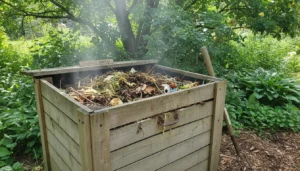
Keep the pile moist like a wrung-out sponge and turn it every 1–2 weeks to introduce oxygen. Monitor temperature: a hot pile (130–160°F / 54–71°C) breaks down faster, but cool composting also works.
Detailed Steps
- Collect materials in separate containers for greens and browns.
- Start your bin with a base of browns, then add greens and water.
- Turn the pile regularly and adjust moisture as needed.
- Harvest finished compost after a few months when it is dark, crumbly, and earthy-smelling.
Practical Tips for Success in Home Composting
Balance is key: aim for roughly 2–3 parts browns to 1 part greens by volume. Too many greens can make the pile slimy and smelly.
If your compost smells, add more browns and turn the pile. If decomposition is slow, chop materials smaller and increase turning frequency.
Tools and Supplies
- Compost bin or tumbler suited to your space.
- Pitchfork or compost aerator for turning.
- Kitchen pail with a lid for collecting scraps.
- Thermometer (optional) to monitor pile heat.
Composting reduces methane emissions from landfills by turning organic waste into useful soil. A single household can divert hundreds of pounds of waste each year through composting.
Common Problems and How to Fix Them
Odors usually mean too much green material or poor aeration. Add dry browns and turn the pile to reintroduce oxygen.
Pests indicate you may have added meat, dairy, or food scraps exposed on the surface. Bury food scraps deeper or use a secure bin with a lid.
When Compost Isn’t Breaking Down
- Too dry: add water and greens.
- Too compacted: turn the pile and add coarse browns to increase airflow.
- Too cold: add more greens or use a smaller tumbler for quicker heating.
Real-World Example: A Small Backyard Case Study
Case: Sarah, a homeowner with a small yard, started a 3-bin system for home composting. She collected kitchen scraps in a covered pail and layered them with shredded leaves from her yard.
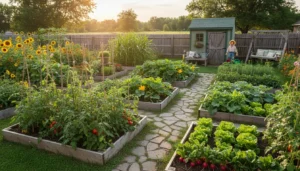
Within four months, Sarah produced rich compost she mixed into her vegetable beds. Her tomatoes looked healthier and required less watering. She estimates she diverted about 300 pounds of waste the first year.
How to Use Finished Compost at Home
Finished compost is excellent for mixing into garden beds, top-dressing lawns, or making potting mixes. It improves soil structure and adds important nutrients slowly over time.
Apply a 1–3 inch layer to beds in spring or fall, or mix 10–20% finished compost into potting soil for container plants.
Quick Checklist to Start Home Composting
- Select a compost system (bin, tumbler, or worm bin).
- Gather browns and greens and set up collection containers.
- Follow layering and moisture guidelines, and turn regularly.
- Harvest finished compost and apply to garden or containers.
Home composting is a low-cost, practical way to reduce waste and build healthy soil. Start small, monitor your pile, and adjust as you learn what works in your space.