
Composting turns kitchen scraps and yard waste into rich soil amendment for gardens. This guide explains home composting for beginners in clear, practical steps you can follow this weekend.
Compost can increase soil water retention by up to 20 percent, reducing irrigation needs and improving plant health.
Why Choose Home Composting
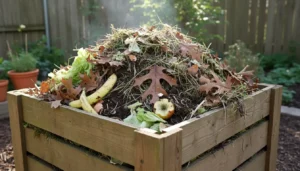
Home composting reduces household waste, lowers methane emissions from landfills, and creates free soil amendment. It also improves soil structure and supports healthy plants without chemical fertilizers.
For beginners, composting is low cost and scalable. You can start with a small bin on a patio or a larger pile if you have a yard.
Materials to Compost: What You Need to Know
Successful composting balances two groups of materials: browns and greens. Understanding these categories helps speed decomposition and avoids odors.
Browns and Greens for Home Composting
- Browns: Dry leaves, straw, shredded paper, cardboard. These supply carbon and help aeration.
- Greens: Vegetable scraps, coffee grounds, grass clippings. These supply nitrogen and moisture.
- Aim for roughly a 3:1 ratio of browns to greens by volume for a balanced pile.
Step-by-Step Home Composting for Beginners
Follow these steps to set up and maintain a compost system that works reliably.
1. Choose a Method
Pick a method that fits your space and effort level. Popular options include a simple compost pile, a stationary bin, or a tumbling composter.
- Pile: Low cost, good if you have yard space.
- Bin: Neat and reduces pests; good for small yards.
- Tumbler: Faster mixing and quicker results, but higher cost.
2. Build Your Pile or Bin
Start with a 6–12 inch layer of coarse browns (twigs or straw) to help drainage. Add alternating layers of greens and browns until you reach the desired size.

Keep your pile at least 3 feet wide and 3 feet tall for effective heat retention. Smaller systems still work but may decompose more slowly.
3. Maintain Your Compost
Monitor moisture: the pile should feel like a wrung-out sponge. Add water during dry spells and cover during heavy rain to avoid waterlogging.
Turn the pile every 1–3 weeks to introduce oxygen and speed decomposition. Tumblers make turning easier, while piles and bins can be turned with a pitchfork.
Troubleshooting and Tips for Home Composting
Common issues are easy to fix with simple adjustments.
- Bad Odor: Add more browns and turn the pile to add air.
- Slow Decomposition: Check moisture and chop materials into smaller pieces.
- Pests: Avoid meat, dairy, and oily foods; use a closed bin or bury food scraps in the center of the pile.
- Too Wet: Mix in dry browns and improve drainage at the base.
What to Avoid in Home Composting
Some items do not belong in a home compost pile because they attract pests or introduce pathogens. Avoid meat, fish, dairy, pet waste, and diseased plant material.
Also limit large pieces of wood or tough stems; chop or shred them first to speed breakdown.
Small Real-World Case Study
Maria, a city homeowner, started a 60-gallon compost bin on her balcony. She collected kitchen scraps and mixed them with shredded cardboard and dried leaves from a neighbor.
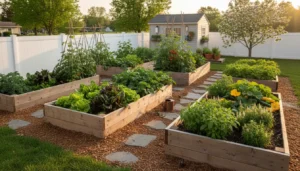
After three months of turning weekly and keeping the pile moist, she produced enough finished compost to top-dress two raised beds. Her tomato plants showed improved growth within a season.
How to Use Finished Compost
Finished compost is dark, crumbly, and earthy-smelling. Use it as a soil amendment by mixing 1–2 inches into topsoil or as a mulch around plants.
Compost can be used in potting mixes, vegetable beds, and lawn top-dressing. It slowly releases nutrients and improves soil biology.
Quick Checklist for Composting Success
- Collect greens (kitchen scraps, grass) and store in a covered container.
- Keep a supply of browns (paper, leaves, straw).
- Maintain moisture like a wrung-out sponge.
- Turn the pile periodically to add oxygen.
- Use finished compost once it is dark and crumbly.
Final Notes for Beginners
Home composting is forgiving: small mistakes rarely ruin the pile. Start small, observe changes, and adjust browns, greens, and moisture to improve results.
With a simple bin or pile and regular attention, you can reduce waste and produce nutrient-rich compost in a few months to a year.