
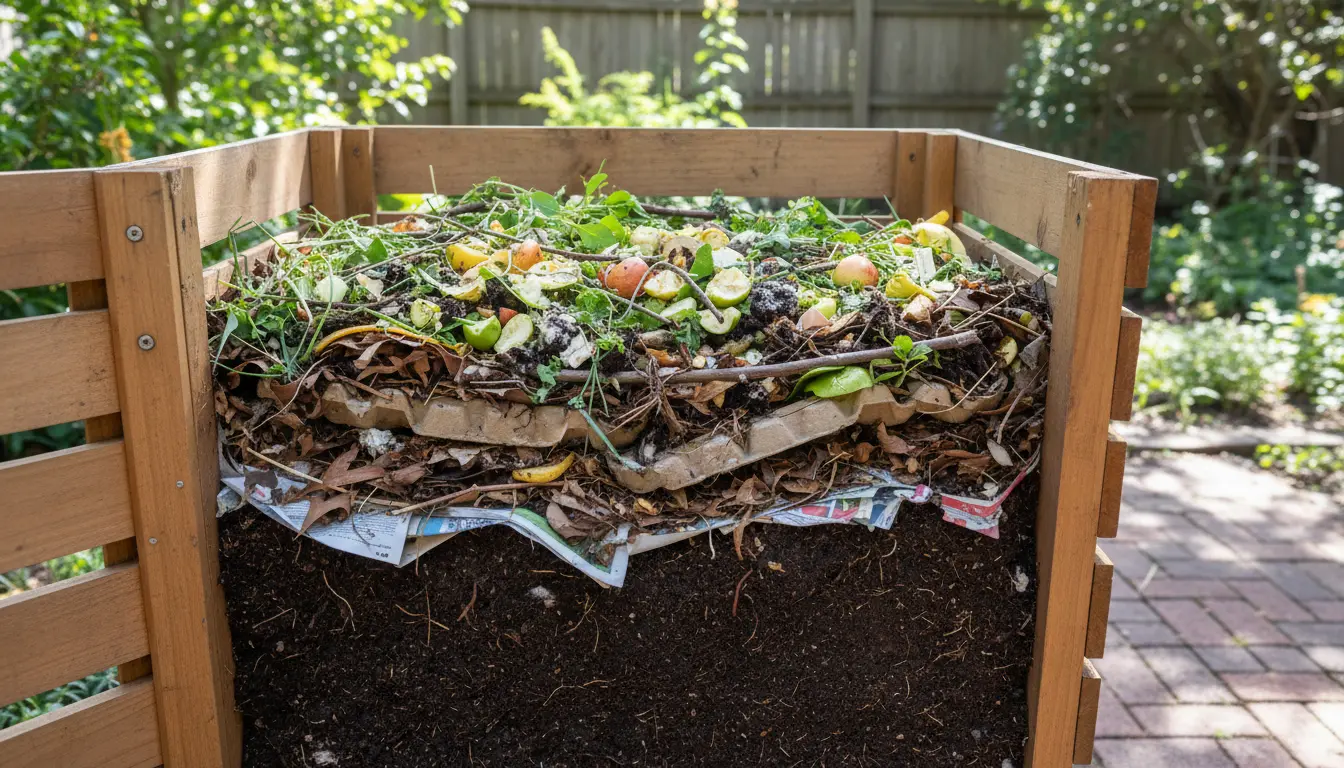
Home Composting Basics for Beginners
Home composting turns kitchen scraps and yard waste into nutrient-rich material for gardens. It reduces trash, cuts greenhouse gas emissions, and creates free soil amendment for plants.
This guide gives practical, step-by-step advice for beginners to start composting at home with minimal fuss.
Why Choose Home Composting
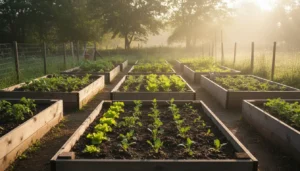
Composting saves money on soil amendments and reduces landfill volume. It also improves soil structure and plant health by returning organic matter to the earth.
Even small efforts, like a countertop bin or a balcony system, make a measurable difference over time.
Types of Home Composting Systems
Choose a system based on space, odor tolerance, and how fast you want finished compost.
- Open pile: Best for yards; low cost but needs turning and space.
- Compost bin or tumbler: Contained, neater, and faster decomposition.
- Bokashi: Fermentation system for small spaces and food scraps including meat and dairy.
- Vermicomposting: Uses worms for indoor or balcony composting with fast results.
What to Compost: Greens and Browns
Balance is key. Use a mix of nitrogen-rich ‘greens’ and carbon-rich ‘browns’ to keep decomposition active and odor-free.
Greens (Nitrogen)
- Vegetable and fruit scraps
- Coffee grounds and tea leaves
- Fresh grass clippings
Browns (Carbon)
- Dry leaves, straw, and shredded paper
- Cardboard strips and wood chips
- Egg cartons and sawdust in small amounts
Step-by-Step Setup for Home Composting
Follow these practical steps to start a successful home compost pile or bin.
- Choose a location with partial shade and good drainage.
- Start with a layer of coarse brown material for airflow.
- Add alternating layers of greens and browns, aiming for about 3:1 browns to greens by volume.
- Keep the pile moist like a wrung-out sponge; add water or dry material as needed.
- Turn or aerate the pile every 1–2 weeks to speed decomposition.
Troubleshooting Common Problems
Most issues stem from imbalance, moisture problems, or compaction. Here are quick fixes.
- Bad smell: Add more browns and turn the pile to introduce air.
- Too dry: Spray water while turning; cover with a tarp in hot weather.
- Too wet or soggy: Mix in bulky dry browns like straw or shredded cardboard.
- Pests: Avoid adding meat or oily foods to open systems; use sealed bins or Bokashi for those items.
How Long Does Home Composting Take?
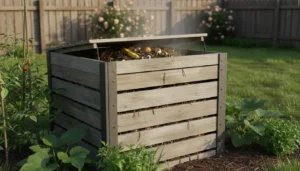
Time depends on method and management. Hot, well-managed piles can produce usable compost in 2–3 months. Cold piles may take 6–12 months.
Turning, moisture control, and proper particle size speed up the process.
Using Finished Compost
Finished compost looks dark, crumbly, and earthy-smelling. Use it to improve garden soil, as a potting mix Amendment, or as mulch around plants.
- Top-dress lawns or garden beds with 1–2 inches of compost.
- Mix 10–30% compost into potting mixes for containers.
- Use as seed-starting mix sparingly, blending with sterile media.
Small Real-World Example: Balcony Vermicomposting
Case study: Anna, an apartment gardener, started vermicomposting in a 20-liter plastic bin with red wiggler worms. She collected vegetable scraps and shredded paper over six months.
By month three she had a steady supply of worm castings, which she mixed into potting soil for herbs. The system fit her balcony, was odor-free, and reduced her kitchen waste by nearly half.
Quick Tips for Home Composting Success
- Chop or shred larger items to speed breakdown.
- Keep a small countertop container with a tight lid for scrap collection.
- Record pile temperature or appearance to monitor progress.
- Start with an easy system like a tumbler or worm bin if you’re tight on time or space.
Final Practical Checklist
- Pick a compost system that fits your space and lifestyle.
- Maintain a balance of greens and browns.
- Monitor moisture and aerate regularly.
- Harvest and use finished compost in your garden or containers.
Home composting for beginners is approachable and flexible. Start small, observe results, and adjust. In a few months you will have rich compost that benefits both your plants and the planet.