
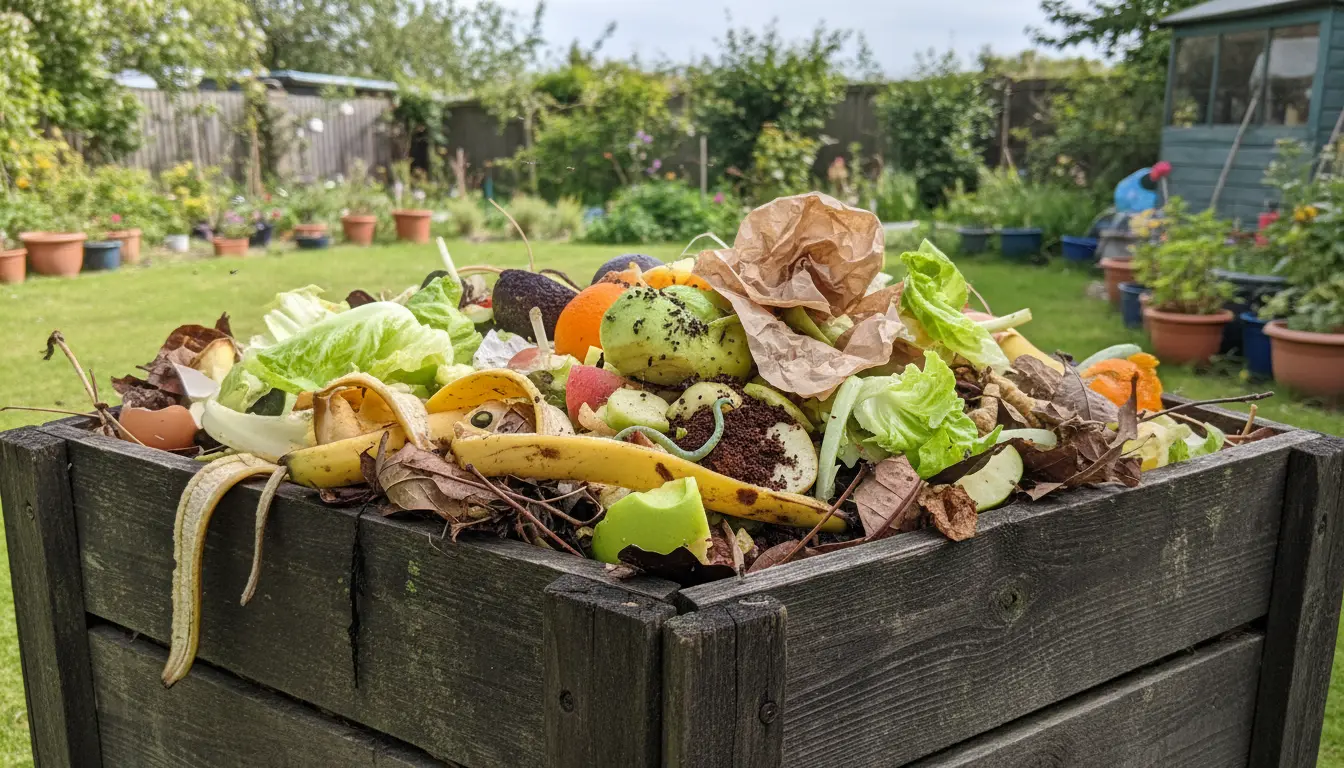
Why Home Composting for Beginners Matters
Home composting reduces kitchen and yard waste while creating rich soil for plants. It cuts landfill contribution and helps gardens retain moisture and nutrients.
This guide explains simple steps, common mistakes, and practical tips that beginners can use immediately.
Home Composting for Beginners: Getting Started
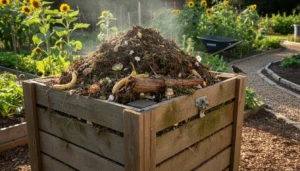
Start by choosing a compost method that fits your space and schedule. Common options include a backyard pile, tumblers, and countertop collections for food scraps.
Keep the process simple initially: collect, mix, and monitor. You can expand or refine your system as you learn.
Choose a Compost Container
Select one of these based on space and effort:
- Open pile: Low cost, best for yards with space.
- Compost tumbler: Easier turning, faster breakdown.
- Bin with lid: Controls pests and appearance.
- Worm bin (vermicompost): Great for apartments and small kitchens.
Where to Place Your Compost
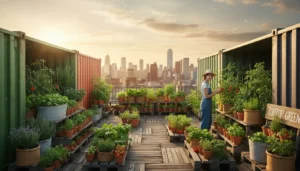
Place bins on soil or a well-drained spot. Partial shade helps keep moisture balanced and reduces odor risks.
Avoid placing bins too close to the house or near delicate roots.
What to Compost: Basics for Beginners
Successful composting depends on balancing green and brown materials. Greens provide nitrogen; browns provide carbon.
Green Materials (Nitrogen)
- Vegetable and fruit scraps
- Fresh grass clippings
- Coffee grounds and tea leaves
Brown Materials (Carbon)
- Dry leaves and straw
- Shredded paper and cardboard
- Wood chips and small twigs
Materials to Avoid
- Meat, fish, and oily foods (attract pests)
- Dairy products and bones
- Diseased plants or invasive weeds
Simple Steps to Keep Compost Healthy
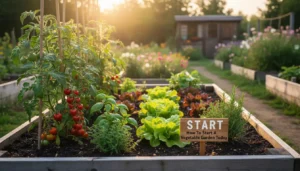
Follow these actions to speed up decomposition and avoid common problems.
- Layer greens and browns to keep a balance around 1:3 (greens to browns by volume).
- Turn or aerate the pile every 1–2 weeks to provide oxygen.
- Keep compost moist like a wrung-out sponge; add water or dry material as needed.
Troubleshooting Common Issues
If your compost smells, it’s usually too wet or lacks air. Turn the pile and add brown materials.
If decomposition is slow, add more greens or chop large pieces into smaller ones to increase surface area.
Compost can reach temperatures of 130 to 160 °F (54 to 71 °C) in active piles. These temperatures help kill weed seeds and pathogens when the pile is turned regularly.
How to Use Finished Compost
Finished compost looks dark, crumbly, and earthy. Use it as a top dressing, mix into potting soil, or work into garden beds.
Aim to add 1–3 inches of compost to flower beds and vegetable patches each year for steady soil improvement.
Case Study: Small Apartment Compost Success
Anna, a renter in Seattle, started a worm bin under her kitchen sink. She collected food scraps in a small container and emptied it to the worm bin twice a week.
In six months she produced enough vermicompost to feed three balcony pots and reduced her household food waste by about 40 percent. Her plants were visibly healthier, with better leaf growth and water retention.
Practical Tips for Home Composting for Beginners
- Start small and be consistent—routine matters more than perfect ratios.
- Chop materials into small pieces to speed decomposition.
- Keep a small kitchen container with a tight lid to limit smells and fruit flies.
- Use a thermometer for hot composting if you want faster results.
- Label your layers or keep a simple log to track additions and turning schedule.
Quick Beginner Checklist
- Choose bin type and location.
- Collect greens and browns separately.
- Maintain moisture and turn regularly.
- Harvest finished compost and apply to soil.
Final Advice for Home Composting for Beginners
Composting is a learning process. Expect small mistakes and adjust over time. The environmental and gardening benefits grow with consistent practice.
Start with one simple system, track what works, and expand when you feel confident. Small steps lead to long-term soil health and less household waste.