
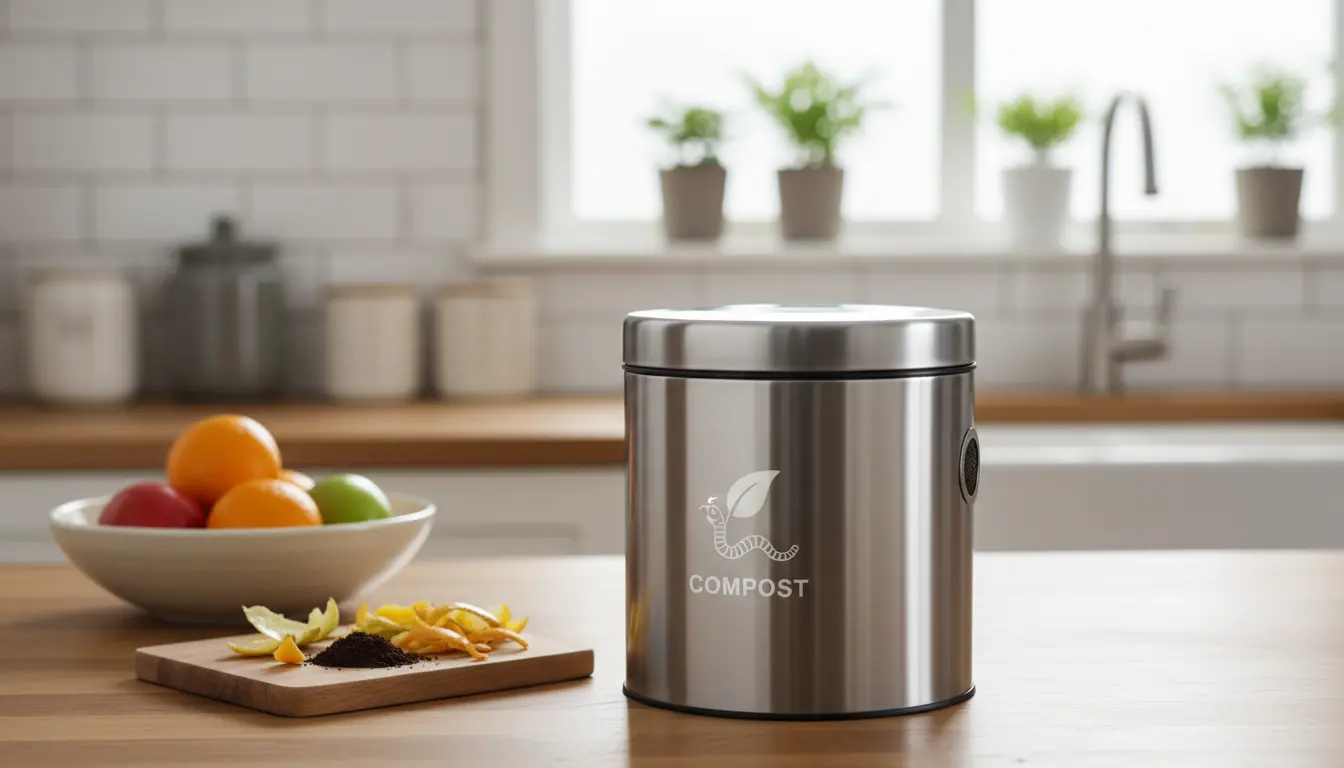
Why Home Composting for Beginners Matters
Home composting turns kitchen scraps and yard waste into a valuable soil amendment. It reduces landfill waste and improves your garden soil with minimal effort.
This guide gives clear, step-by-step instructions for beginners who want a practical, low-maintenance compost system. No advanced equipment is required.
Choose a Compost Method for Beginners
Pick a method that fits your space and lifestyle. Common choices include a simple pile, a bin, and a tumbler.
- Compost pile: Good for yards and bulk yard waste.
- Compost bin: Tidy option that contains material and looks neater.
- Tumbler: Speeds up mixing and reduces pests but costs more.
Where to Place Your Compost
Select a level spot with some shade and good drainage. Keep the bin within easy reach of the kitchen for frequent additions.
A location near your garden makes it easy to use finished compost.
Ingredients: What to Add in Home Composting for Beginners
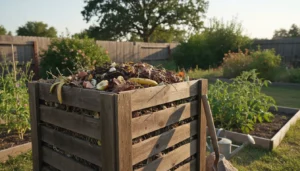
Compost needs a balance of carbon and nitrogen. Beginners should learn the simple categories of materials to add.
- Greens (nitrogen): vegetable scraps, fruit peels, coffee grounds, fresh grass clippings.
- Browns (carbon): dry leaves, cardboard torn into pieces, newspaper, straw.
- Avoid: meat, dairy, oils, diseased plants, and pet waste to minimize pests and odors.
Basic Mixing Ratios
A practical rule is roughly 2–3 parts browns to 1 part greens by volume. This keeps the pile balanced and reduces smells.
If the pile is too wet or smells, add more browns. If it is dry and slow to decompose, add more greens and water slightly.
Simple Step by Step Process
Follow these basic steps to start composting at home.
- Prepare the base: Lay coarse materials like small branches or straw to help airflow.
- Add materials in layers: Alternate greens and browns in 6–12 inch layers.
- Maintain moisture: Keep the pile as damp as a wrung-out sponge.
- Turn the pile: Every 2–4 weeks for faster compost; less turning works if you have time constraints.
- Harvest: Finished compost is dark, crumbly, and earthy smelling after 2–12 months depending on method and care.
Tools That Help
You only need basic tools: a pitchfork or garden fork for turning, a bin or enclosure, and a moisture meter or simple feel test. Gloves are useful for handling rough materials.
Composting diverts roughly 30% of household waste from landfills when done consistently, and finished compost can improve soil water retention by up to 20%.
Troubleshooting Common Problems
Beginner composters run into a few predictable issues. Address them quickly to keep the process on track.
- Bad smell: Add more browns and turn the pile to increase oxygen.
- Pests: Avoid adding meat or dairy and use a closed bin or fine mesh cover.
- Slow decomposition: Increase moisture and add more nitrogen-rich greens, then turn.
- Too wet: Add dry browns and mix to restore airflow.
Using Finished Compost
Apply finished compost as a top dressing, mix it into potting mixes, or blend with garden soil. Use about 1–2 inches of compost around plants or mix 10–30% compost into garden beds.
Compost improves soil structure, feeds microbes, and gradually releases nutrients to plants.
Small Real-World Case Study
Case: A three-person household in a suburban row house started a 60-liter compost bin under their kitchen counter and a small backyard bin for yard trimmings. They kept a simple ratio of shredded cardboard and kitchen greens, turning the backyard bin every month.
Result: In nine months they produced enough compost to top-dress two vegetable beds and reduced their trash output by about 40%. The garden produced healthier tomato plants with fewer irrigation needs.
Tips for Long-Term Success with Home Composting for Beginners
Keep practices simple and repeatable. Use a small kitchen caddy for scraps and empty it into the outdoor bin daily or every other day.
Stay flexible: if you travel often, switch to a low-maintenance compost method like a closed bin that requires less turning.
Quick Checklist
- Choose a bin or pile that fits your space.
- Collect greens and browns separately for easy layering.
- Maintain moisture and airflow.
- Turn periodically and monitor for pests or smell.
- Harvest finished compost when dark and crumbly.
Home composting for beginners is an accessible way to cut waste, save money on soil amendments, and support healthier plants. Start small, keep it balanced, and adjust based on what your pile needs.