
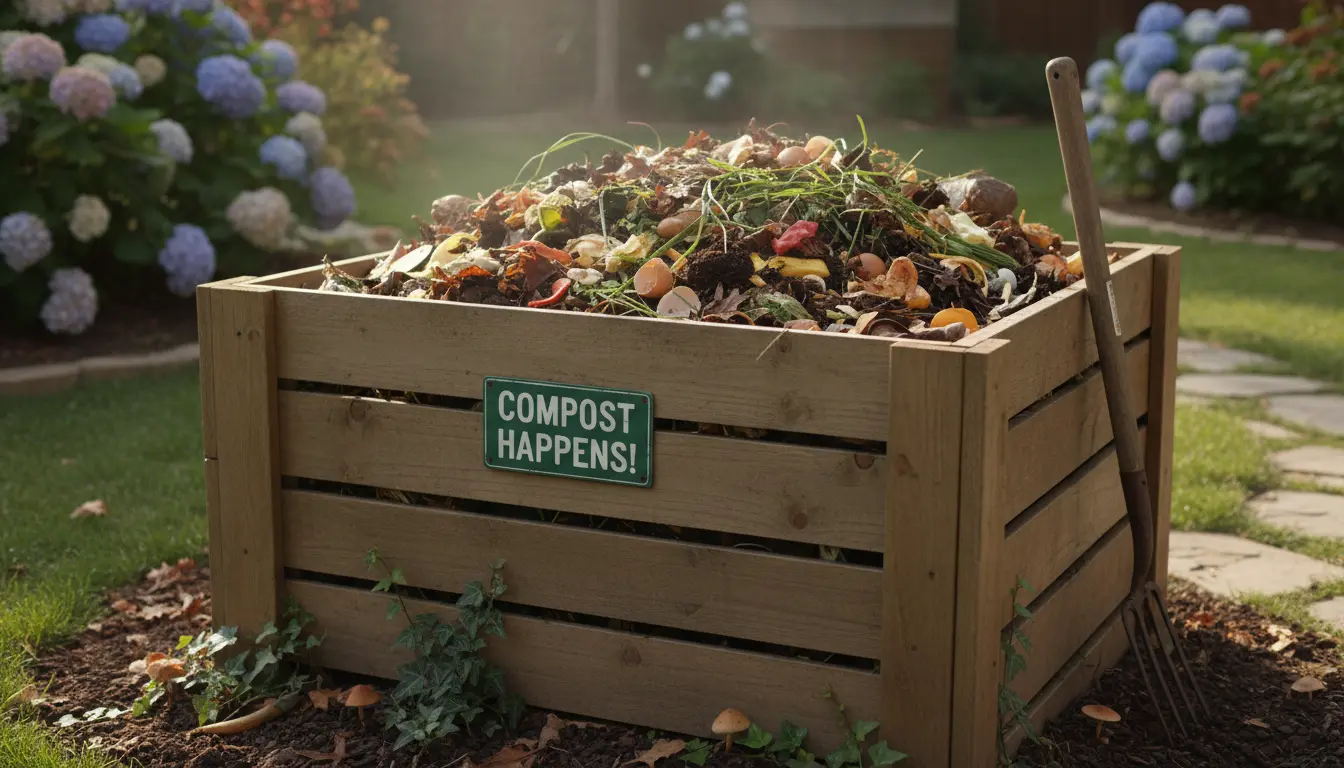
Home composting turns kitchen and yard waste into nutrient-rich soil. For beginners, the process can seem technical, but simple approaches work well and require minimal tools.
Why Home Composting for Beginners Matters
Composting reduces landfill waste and produces material that improves garden soil structure. It also saves money on fertilizers and supports healthy plant growth.

Beginners benefit from low-cost systems like tumblers, bins, or layered piles. Each option suits different living situations, from apartments to suburban yards.
Basic Principles of Home Composting for Beginners
Composting relies on a balance of materials, moisture, and airflow. Microorganisms break down organic matter into humus when conditions are right.
Remember three core elements: carbon, nitrogen, and oxygen. Maintain them and decomposition will proceed efficiently.
Carbon and Nitrogen
Carbon-rich items are called browns; nitrogen-rich items are greens. Aim for a rough carbon to nitrogen ratio of 25–30:1 for active compost.
- Examples of browns: dry leaves, shredded paper, straw
- Examples of greens: vegetable scraps, coffee grounds, fresh grass clippings
Moisture and Airflow
Compost should feel like a wrung-out sponge: moist but not dripping. Too dry slows microbes; too wet causes odors.
Turn piles or use a tumbling bin to add oxygen. Good airflow prevents anaerobic conditions and bad smells.
Getting Started: Simple Systems for Home Composting for Beginners
Choose a method that fits your space and commitment level. Start small and expand as you learn.
Backyard Bin or Pile
Ideal for yards. Create a 3×3 foot pile as a starting point. Layer browns and greens and mix every 1–2 weeks.
Compost Tumbler
Tumblers speed up mixing and reduce pests. Turn every few days. They cost more but are clean and convenient.
Bokashi or Worm Bin for Apartments
Bokashi ferments food waste in a sealed bucket and is space-efficient. Worm bins use red wigglers to process food scraps into vermicompost.
Step-by-Step Routine for Home Composting for Beginners
Follow a routine to keep your system healthy. Consistency helps avoid problems like odors or slow breakdown.
- Choose a container or location and place it on soil or a breathable base.
- Add a layer of coarse browns for drainage, such as twigs or straw.
- Alternate greens and browns in 2–4 inch layers.
- Keep the pile moist and turn or aerate regularly.
- Monitor temperature; a warm heap indicates active decomposition.
Troubleshooting Tips
- If it smells sour, add more browns and turn to introduce air.
- If it is dry and slow, add water and more greens.
- If pests appear, cover food scraps with soil or browns and secure the bin.
Well-managed compost can heat to 120°F or more, killing many seeds and pathogens. Even cold compost still improves soil over time.
What to Compost and What to Avoid
Knowing what to include prevents issues with pests, odors, and slow decomposition.
- Compost: fruit and vegetable scraps, coffee grounds, eggshells, yard waste, shredded paper
- Avoid: meat, dairy, oils, diseased plants, pet waste from carnivores
Speeding Up Composting for Beginners
If you want faster results, increase surface area and temperature. Chop or shred materials before adding them.
Turning the pile frequently and ensuring a good green-to-brown ratio keeps microbial activity high and completes composting in months rather than years.
Accelerators and Additives
- Use finished compost or garden soil as a starter to introduce microbes.
- Sprinkle water if dry and mix thoroughly to incorporate oxygen.
- Don’t rely on chemical accelerators; physical management is most effective.
Small Case Study: Suburban Kitchen to Garden
Maria, a homeowner, started a 3×3 foot bin in spring. She collected kitchen scraps in a counter caddy and added them weekly to her pile, alternating with dry leaves.
She turned the pile every 10 days and kept it moist. After four months she had dark crumbly compost that she mixed into vegetable beds. Her garden yields increased, and kitchen waste dropped by nearly half.
Using Finished Compost
Finished compost is dark, crumbly, and earthy-smelling. Use it in potting mixes, as a top dressing, or mixed into garden beds.
Apply a 1–3 inch layer around plants or blend one part compost to three parts soil for potting mixtures.
Common Questions for Home Composting for Beginners
How long does composting take? It depends on method and management, from 2 months for hot systems to a year for passive piles.
Can I compost citrus and onions? Yes in moderation; chop them and bury them in the pile to minimize pests and slow breakdown.
Final Practical Tips
- Start small and learn the balance of browns and greens.
- Keep the pile moist and aerated; simple turning goes a long way.
- Use finished compost to improve soil health and reduce fertilizer needs.
Home composting for beginners is accessible and rewarding. With a basic bin, a simple routine, and attention to moisture and balance, anyone can turn waste into a valuable soil resource.