
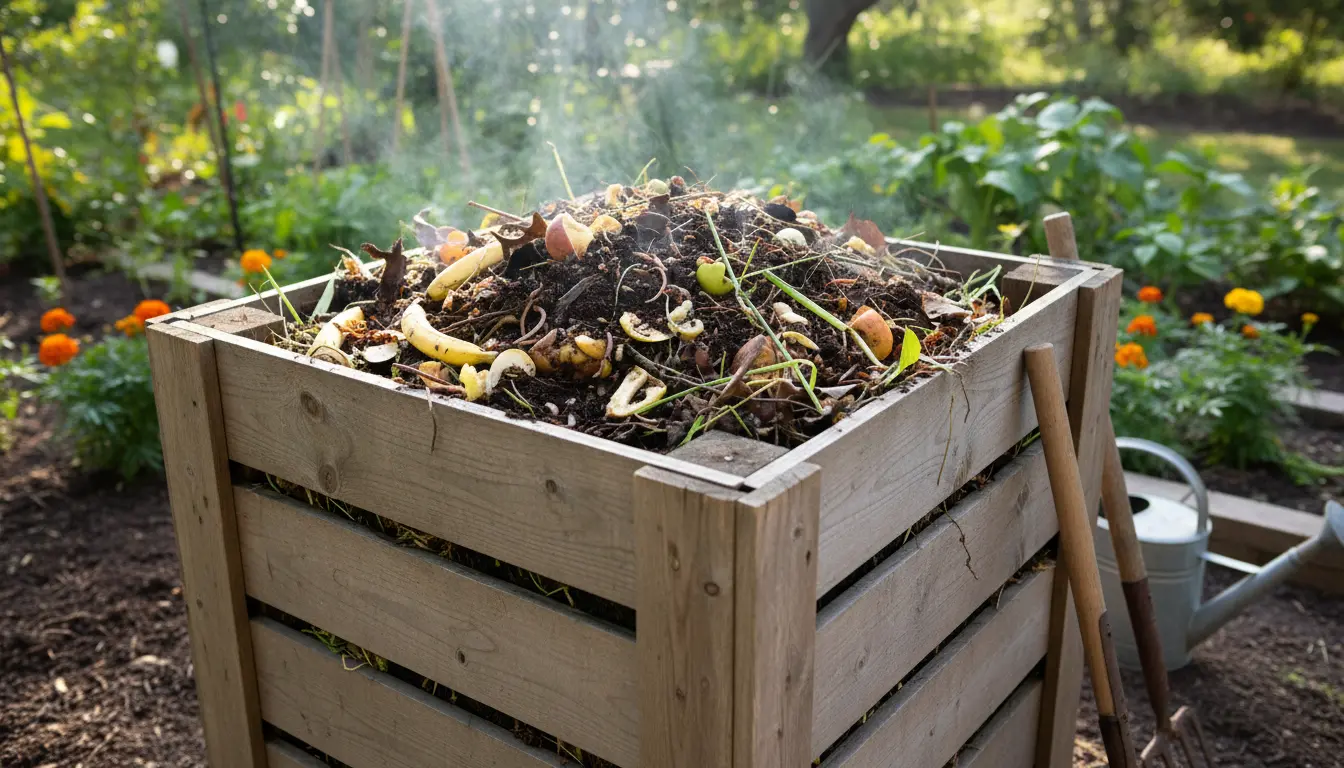
Composting turns kitchen and yard waste into a useful soil amendment. This guide explains simple, actionable steps to start home composting and keep it working well.
Home Composting Basics
Home composting relies on microbes, moisture, oxygen, and a mix of materials. These elements help organic matter break down into dark, crumbly compost you can use on plants.
Why choose home composting
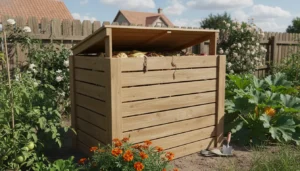
Composting reduces landfill waste and returns nutrients to soil. It also cuts household garbage and supports healthier gardens without chemical fertilizers.
Materials for Home Composting
Successful compost needs a balance of carbon-rich and nitrogen-rich materials. Carbon materials are dry and brown; nitrogen materials are green and wet.
Common carbon (brown) materials
- Dry leaves
- Shredded paper or cardboard
- Wood chips and sawdust (untreated)
Common nitrogen (green) materials
- Vegetable scraps
- Coffee grounds and tea leaves
- Fresh grass clippings
Choose a Composting Method
Pick the method that fits your space and schedule. Options include a backyard compost pile, a bin, a tumbler, or small indoor systems for apartments.
Backyard pile or bin
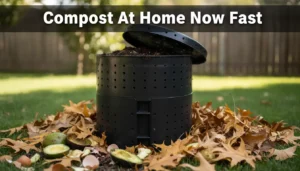
Best for yards with steady organic waste. Build or buy a bin to keep the pile tidy and retain heat.
Compost tumbler
Tumblers make turning easy and speed decomposition. They are good for households that want low maintenance and faster results.
Indoor compost solutions
Vermicomposting uses worms indoors and works well for apartments. Bokashi fermentation is another option for food waste in small spaces.
How to Build and Maintain Your Compost
Start by layering materials and keeping the pile moist but not waterlogged. Aim for a ratio of about 3 parts brown to 1 part green by volume.
Step-by-step setup
- Place your bin in a partly shaded area with good drainage.
- Add a 4–6 inch base of coarse browns for airflow.
- Layer greens and browns; chop large items to speed breakdown.
- Keep the pile moist like a wrung-out sponge.
- Turn the pile every 1–2 weeks to add oxygen.
How to tell when compost is ready
- Material is dark brown and crumbly.
- It smells earthy, not sour or rotten.
- Most original items are unrecognizable.
Compost can reach 140 F (60 C) in the center during active decomposition, which helps kill many weed seeds and pathogens.
Troubleshooting Common Issues in Home Composting
Problems are usually simple to fix by adjusting moisture, aeration, or material balance. Recognizing symptoms helps correct the issue quickly.
Bad smells
Bad smells usually mean too much moisture or too many greens. Add dry browns, turn the pile, and introduce airflow to correct odors.
Pile is slow or not heating
Slow composting can mean too little nitrogen, large particle size, or compacted material. Add fresh greens, chop bulky items, and turn the pile more often.
Fruit flies or pests
Cover food scraps with a layer of browns and avoid adding meat or dairy. Use closed bins or place a lid to keep pests out.
Using Finished Compost
Finished compost improves soil structure, water retention, and nutrient content. Use it as a top dressing, mix it into potting soil, or incorporate it into garden beds.
Application tips
- Mix 10–25% compost into garden soil for new beds.
- Topdress lawns or established beds with a thin layer in spring or fall.
- Use compost tea or extract for a mild liquid feed.
Small Real-World Case Study: Urban Family Garden
In 2023 a four-person family in Portland started a 3-bin backyard system. They collected kitchen scraps and yard waste and aimed to compost 200–300 lbs per year.
After six months of regular turning and a 3:1 brown-to-green routine, they produced about 150 lbs of usable compost. Their vegetable beds showed improved growth and required 30% less watering during summer.
Quick Checklist to Start Home Composting
- Select a bin type that fits your space
- Gather brown and green materials ahead of time
- Maintain moisture and turn regularly
- Monitor for odors, pests, and temperature
- Harvest finished compost and reuse in the garden
Home composting is a manageable, rewarding practice that reduces waste and improves soil health. With the right materials, simple maintenance, and a little patience, you can turn household scraps into valuable compost.