
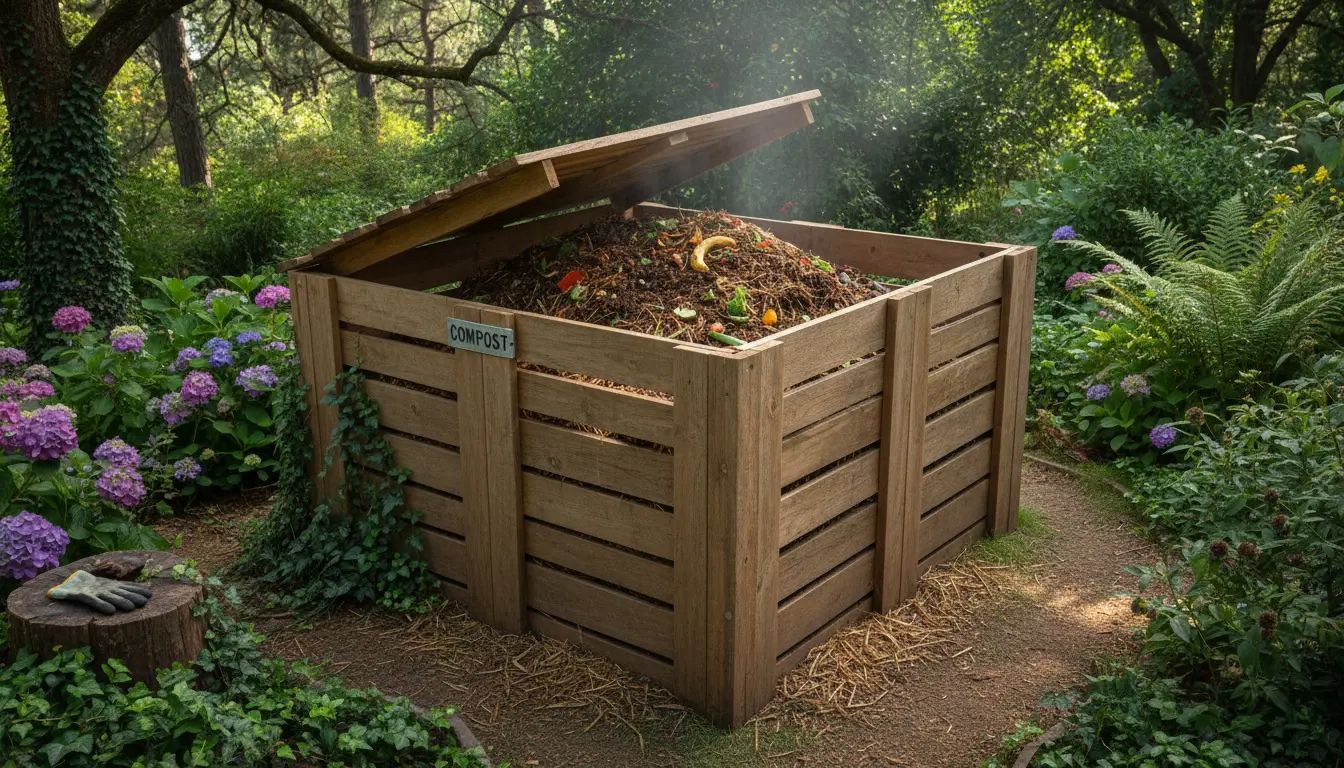
Why Home Composting Matters
Home composting turns kitchen scraps and yard waste into nutrient-rich soil. It reduces landfill waste and can improve garden health without chemical fertilizers.
For beginners, composting is a low-cost, practical way to manage organic waste and support healthy plants at home.
How Home Composting Works
Composting is a controlled decomposition process where microbes break down organic material. The right balance of materials, moisture, oxygen, and time produces dark, crumbly compost.
Key elements include green materials (nitrogen), brown materials (carbon), air, and water. Balancing these speeds up the process and prevents odors.
Basic Ingredients and Ratios
- Green materials: kitchen scraps, fresh grass clippings, coffee grounds.
- Brown materials: dry leaves, straw, shredded cardboard, paper.
- Ideal ratio: about 2–3 parts brown to 1 part green by volume.
How to Start Home Composting
Choose a compost method that fits your space and needs. Options include a simple pile, a tumbling bin, or a stationary bin.
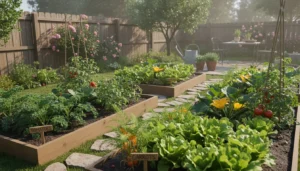
Follow these practical setup steps to begin.
Step-by-step Setup
- Pick a location: a level, well-drained spot with some shade speeds decomposition.
- Choose a container: an open pile works, but a covered bin keeps pests out and retains heat.
- Add a base layer: start with coarse brown material to aid airflow.
- Alternate layers: add green then brown in thin layers. Aim for consistent layering rather than one large pile of the same material.
- Maintain moisture: compost should feel like a wrung-out sponge, damp but not soggy.
- Turn or aerate: every 1–2 weeks for faster results; less often if using a passive bin.
Practical Tips for Success
Small adjustments prevent common issues. Use these tips to keep your compost healthy and productive.
- Chop or shred larger items to increase surface area and speed decomposition.
- Keep brown materials handy to fix wet or smelly compost.
- Use a lid or cover to keep heavy rains from waterlogging the pile.
- Measure progress: finished compost is dark, crumbly, and earthy-smelling.
What to Avoid
- No meat, dairy, or oily foods: these attract pests and slow the process.
- Limit citrus and onion: small amounts are fine, but large quantities can slow decomposition and harm microbes.
- Avoid diseased plants, persistent weeds, and chemically treated wood that can carry pathogens or toxins.
Warm, active composting can reach internal temperatures of 130–160°F (55–71°C), which helps kill weed seeds and many plant pathogens when managed properly.
Troubleshooting Common Problems
Even simple systems can run into issues. Troubleshoot quickly with targeted fixes.
Smelly Compost
Cause: too much green material or poor aeration. Fix: add brown materials and turn the pile to introduce oxygen.
Slow Decomposition
Cause: too dry, too cold, or materials too large. Fix: moisten slightly, add nitrogen-rich greens, and chop materials into smaller pieces.
Pests or Rodents
Cause: exposed food scraps or meat. Fix: remove offending items and use a closed bin or secure lid. Bury fresh scraps under brown layers.
Using Finished Compost
Finished compost enriches soil and improves garden structure. Use it as a top dressing, mix into potting soil, or blend into garden beds.
Application ideas:
- Mix 1 part compost with 3 parts topsoil for planting beds.
- Top-dress lawns with a thin layer to boost soil health.
- Use as potting mix additive for better water retention and nutrients.
Small Real-World Example
Case study: A family of four in a suburban home started a 3-bin system to handle kitchen scraps and yard waste. They shredded leaves and layered them with food scraps. After six months of turning weekly, they produced rich compost used to improve their vegetable beds.
Outcome: Their garden yield increased, grocery waste decreased by an estimated 40%, and they reduced trips to the curb for organic waste.
Quick Checklist to Start Today
- Choose a bin type and a level location.
- Collect brown and green materials separately.
- Start with a base layer of browns, then alternate with greens.
- Keep the pile moist and turn it every 1–2 weeks if possible.
- Harvest finished compost when it looks dark and crumbly.
Home composting is an accessible, effective way to close the loop on organic waste. With simple materials and weekly attention, beginners can produce healthy compost and reduce household waste within a few months.