
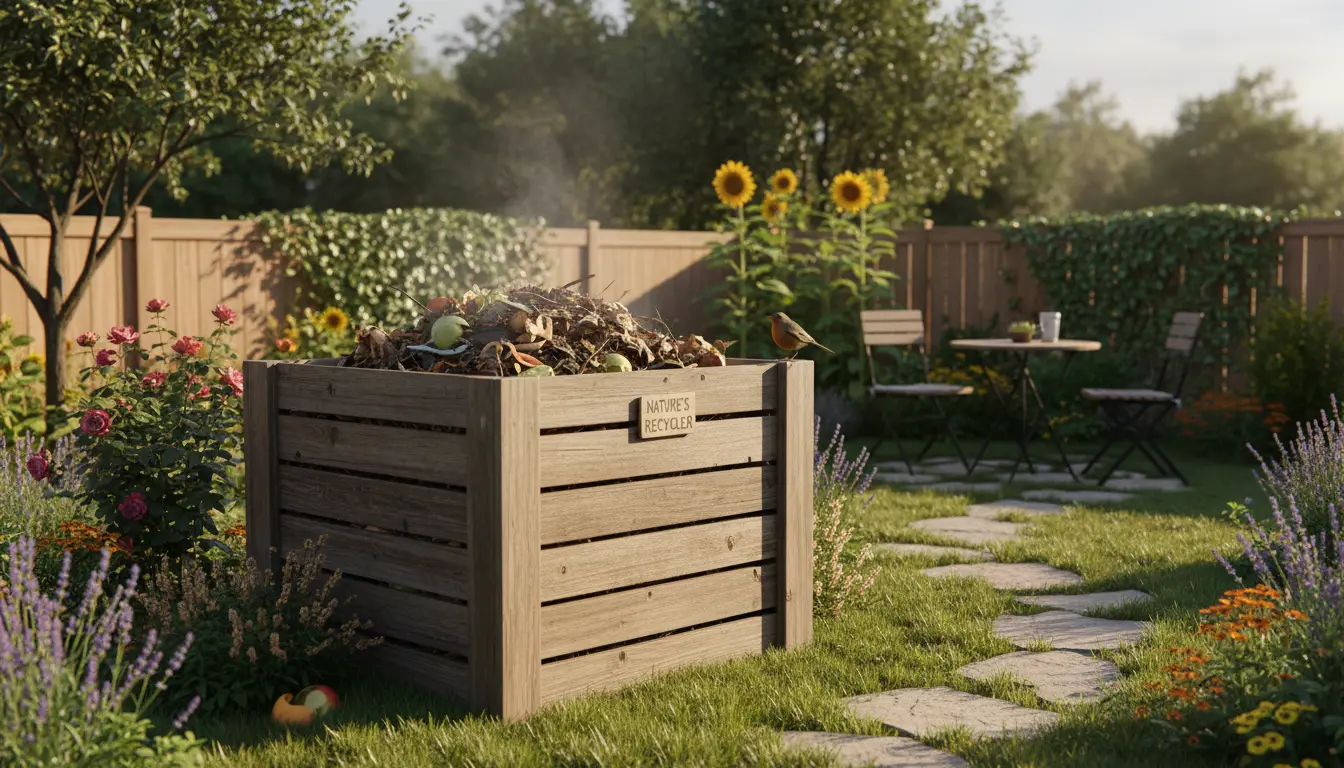
Why Home Composting for Beginners Matters
Home composting turns kitchen and yard waste into a valuable soil amendment. It reduces landfill waste, lowers household emissions, and improves garden soil structure.
For beginners, composting can seem technical, but simple systems work well. This guide gives clear, step-by-step instructions to start composting at home.
Simple Materials You Need for Composting
Start with basic supplies you likely already have or can buy cheaply. Choose a small bin or a corner of the yard.
- Compost bin or DIY tumbler
- Kitchen scraps container with a lid
- Garden fork or aerator
- Brown materials (dry leaves, shredded paper)
- Green materials (vegetable scraps, coffee grounds)
Basic Composting Steps for Beginners
Follow these simple steps to get your compost pile active. Keep the process regular and low-maintenance.
- Choose a location with partial sun and good drainage.
- Start with a 4–6 inch layer of coarse brown materials for airflow.
- Add green and brown layers, aiming for roughly a 2:1 ratio of browns to greens by volume.
- Keep the pile moist like a wrung-out sponge.
- Turn the pile every 1–2 weeks to add oxygen and speed decomposition.
Balancing Greens and Browns
Greens supply nitrogen and moisture, while browns add carbon and structure. Too many greens cause odors; too many browns slow decomposition.
Common greens: fruit and vegetable scraps, coffee grounds, fresh grass clippings. Common browns: dry leaves, straw, shredded cardboard, paper.
Moisture and Aeration Tips
Compost should be damp but not dripping. If it smells sour, add more browns and turn it. If it is dry, add water and more greens.
Turning introduces oxygen and prevents compacting. For a slow method, use a bin with air vents and turn less often.
How to Build a Compost Bin: 3 Easy Options

Choose a method based on space, budget, and how fast you want finished compost.
- Plastic compost bin: Low cost, contained, good for small yards.
- Wire or pallet bin: Cheap, breathable, simple to build from pallets.
- Tumbler: Faster composting and easier to turn, but higher cost.
DIY Pallet Bin Example
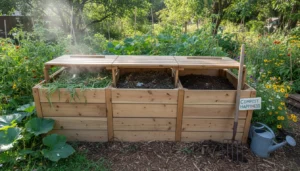
Stand three pallets upright in a U shape and attach a fourth as a door. Line the base with coarse twigs to improve drainage.
This bin is ventilated, inexpensive, and fits a typical backyard. It suits beginners who collect yard waste seasonally.
Adding a layer of finished compost to a new pile provides microbes that speed up decomposition and improve results.
Troubleshooting: Common Problems and Fixes
Beginners often run into a few predictable issues. These fixes are simple and effective.
- Smell: Add browns, mix the pile, and reduce wet food scraps.
- Pests: Bury food scraps, use a closed bin, and avoid meat or oily foods.
- Slow breakdown: Chop materials smaller, increase moisture, and turn more often.
When Is Compost Ready?
Finish time varies from a few months to a year. Finished compost is dark, crumbly, and earthy in smell. It no longer resembles the original materials.
Small Real-World Case Study
In 2023, a four-person household in a suburban neighborhood set up a 90-liter tumbling bin. They followed a routine of adding kitchen scraps daily and turning the tumbler weekly.
After six months they produced about 150 liters of usable compost and reduced their weekly trash by 40 percent. They used the compost in raised vegetable beds, which improved soil moisture retention and tomato yields.
Practical Tips to Keep You Going
- Keep a small countertop caddy with a tight lid for daily scraps.
- Chop larger materials so they break down faster.
- Layer materials rather than dumping the same type in one spot.
- Record simple notes on a calendar to track turning and moisture checks.
Using Finished Compost
Spread finished compost as a top dressing, mix it into potting soil, or blend it into garden beds. Use 1–3 inches on lawns or mix 1 part compost to 3 parts soil for planting.
Final Checklist for Composting for Beginners
- Select an appropriate bin for your space and budget.
- Balance greens and browns at roughly 1 part greens to 2 parts browns.
- Keep the pile moist and aerate regularly.
- Troubleshoot odors and pests quickly by adjusting materials.
Home composting is a low-cost, high-impact way to reduce waste and improve soil health. Start small, follow the steps above, and adjust as you learn. Within months, you’ll have rich compost to boost your garden and cut household waste.