
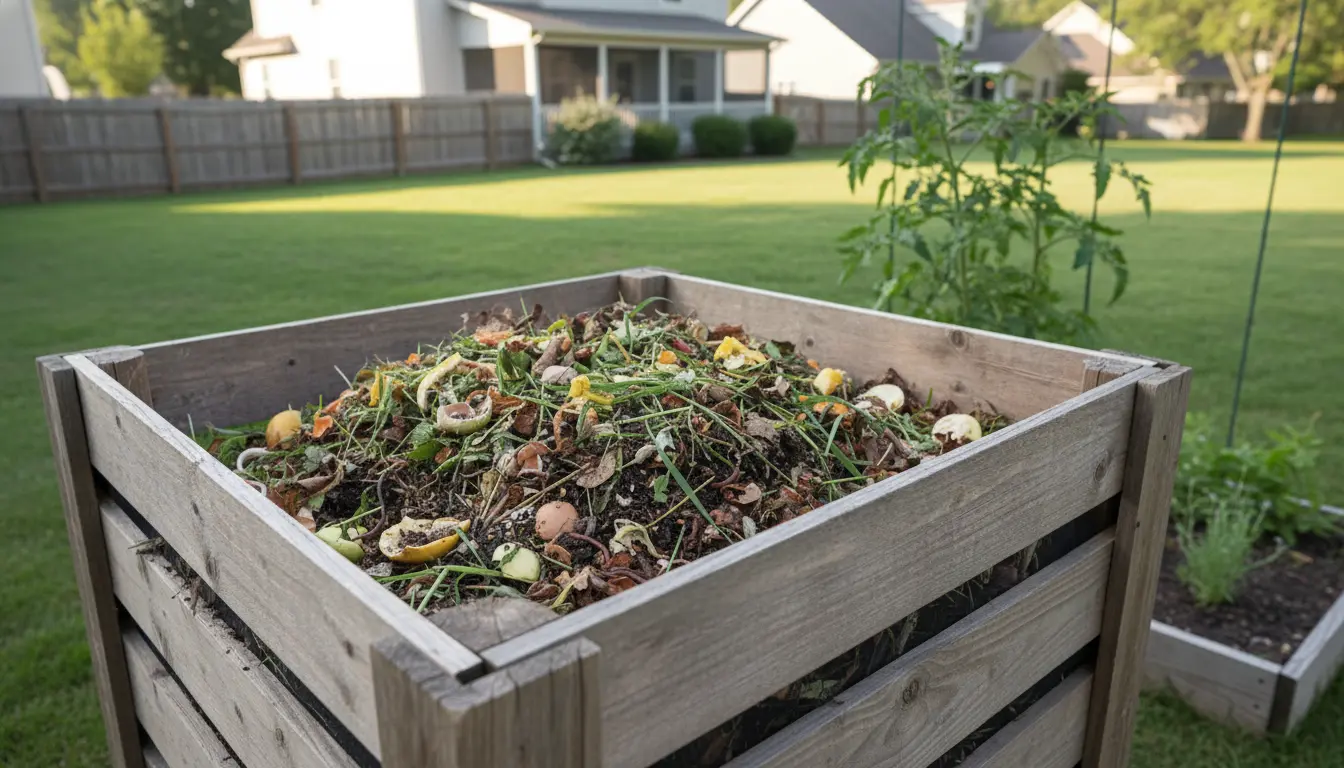
Start Home Composting Today: A Practical Guide
Home composting turns kitchen and yard waste into a useful soil amendment. This guide gives clear steps and examples so beginners can start composting with confidence.
How Home Composting Works
Composting is a natural process where microbes break down organic matter into humus. You manage inputs like carbon, nitrogen, moisture, and air to speed up decomposition.
Key Principles of Home Composting
Balance materials: mix carbon rich “browns” with nitrogen rich “greens”. Maintain moisture so the pile is damp but not soggy, and turn the pile to add oxygen.
Starting Home Composting: Equipment and Setup
You don’t need fancy equipment to compost at home. Choose a bin or build a simple heap depending on your space and needs.
Choosing a Compost Bin
Select a bin that fits your household size and available space. Options include tumblers, stationary bins, and simple wire enclosures for backyard use.
- Small households: 50–100 liter bin or countertop collector plus a backyard pile.
- Family gardens: 200–500 liter bin or multiple bays for continuous composting.
- Apartments: use a bokashi kit or a small worm bin (vermicompost) for limited space.
Location and Setup

Place the bin on bare soil where possible to let beneficial organisms access the pile. Ensure easy access for adding materials and turning.
What to Compost in Home Composting
Knowing what to add ensures a healthy compost pile. Use a mix of browns and greens and avoid problematic items.
Good Materials
- Greens: fruit and vegetable scraps, coffee grounds, fresh garden clippings.
- Browns: dry leaves, shredded paper, straw, cardboard.
- Other: crushed eggshells, small amounts of hair or natural fibers.
Materials to Avoid
- Meat, dairy, and oily foods (attract pests).
- Diseased plants, invasive weeds with seeds, pet waste from carnivores.
- Large woody branches that take too long to break down.
A balanced compost pile can reach temperatures of 130–150°F (54–66°C), which helps kill weed seeds and plant pathogens.
Home Composting Maintenance and Troubleshooting
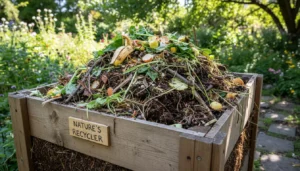
Regular checks help compost mature faster and prevent problems. Monitor smell, moisture, and temperature.
Routine Tasks
- Turn the pile every 1–2 weeks to add oxygen and mix materials.
- Check moisture: aim for the consistency of a wrung-out sponge.
- Add water during dry periods and add dry browns if the pile is too wet.
Common Problems and Fixes
- Bad odor: add more browns and turn to aerate the pile.
- Slow decomposition: chop materials finer and maintain a better greens-to-browns ratio.
- Pests: avoid meat and food scraps on top; use a closed bin or bury scraps in the center.
How to Use Finished Compost from Home Composting
Finished compost looks dark, crumbly, and smells earthy. Use it to improve soil structure, water retention, and nutrient content.
Practical Uses
- Mix 2–4 inches into garden beds before planting to improve soil fertility.
- Top-dress lawns with a thin layer to feed grass and improve soil.
- Use as potting mix ingredient: blend one part compost with two parts garden soil or coconut coir.
Small Case Study: Urban Apartment Home Composting
Sara, an apartment dweller, started with a 10-liter countertop bin and a 20-liter worm bin on her balcony. She collected her vegetable scraps for two months and added shredded paper as browns.
After three months, she had rich compost for potted herbs and tomato plants. Her success shows small-space home composting is practical and low-maintenance.
Quick Home Composting Checklist
- Choose a bin that fits your space and household size.
- Collect greens and browns and maintain a roughly 1:2 greens-to-browns ratio by volume.
- Keep the pile moist and turn it every 1–2 weeks.
- Avoid meat, dairy, and pet waste; chop large materials to speed breakdown.
- Use finished compost to enrich garden beds and potting mixes.
Final Tips for Successful Home Composting
Start small and learn by doing; composting is forgiving. Adjust mix and routine based on how your pile behaves and your local climate.
Track what you add and how often you turn the pile. Small changes will improve speed and quality over time.