
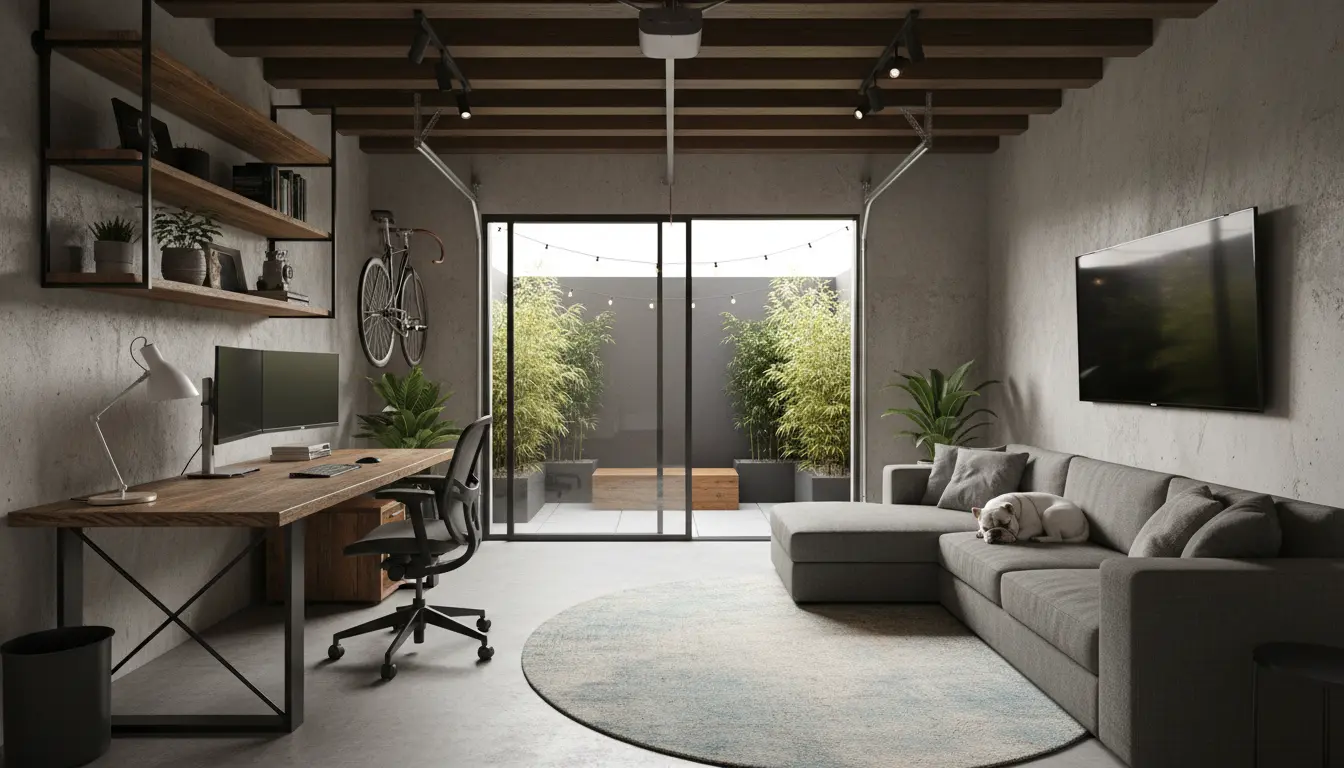
Plan Your Garage to Home Office Conversion
Converting a garage to a home office starts with clear planning. Define the purpose, expected hours of use, and essential features like storage, lighting, and connectivity.
Measure the space and note doors, windows, ceiling height, and any plumbing or HVAC that may affect layout choices. Early planning reduces surprises and cost overruns.
Assess Structural and Code Requirements

Check local building codes and zoning rules before work begins. Some areas require permits for change of use, adding insulation, or altering electrical systems.
Contact the local building department or a licensed contractor to confirm requirements. Failure to follow code can cause delays or fines when selling the home.
Design the Layout for Productivity
Design with ergonomics and workflow in mind. Place the desk near natural light and keep storage within reach to reduce clutter.
- Allocate space for desk, meeting area, and equipment.
- Plan cable routes for internet and power outlets.
- Consider soundproofing if the garage is near busy streets or common areas.
Insulation and Wall Upgrades for Comfort

Most garages lack sufficient insulation for year-round comfort. Add insulation to walls and ceiling to control temperature and reduce noise.
Common approaches include fiberglass batts, spray foam, or rigid foam board. Install a proper vapor barrier where required by code.
Walls and Vapor Barrier
Frame any new interior walls with 2x4s, add insulation, then finish with drywall. Use moisture-resistant drywall if the garage floor is lower or prone to dampness.
Flooring Options for a Professional Feel

Garage floors are concrete and can feel cold and industrial. Choose flooring that balances durability, comfort, and budget.
- Interlocking vinyl tiles — affordable and easy to install.
- Engineered hardwood or laminate — warmer and more professional-looking.
- Epoxy coatings with area rugs — durable and stain-resistant.
Electrical, Lighting, and Internet
A functional office needs adequate power and reliable internet. Hire a licensed electrician if adding circuits or rewiring the space.
Plan multiple outlets near the desk, plus dedicated circuits for heavy equipment like servers or copiers. Add LED overhead lighting combined with task lamps to reduce eye strain.
Networking
Hardwired Ethernet is best for stability; use Wi‑Fi extenders if running cable is impractical. Place the router or access point centrally, and consider cable conduits during construction.
Heating, Cooling, and Ventilation
Garages often lack HVAC ducting. Options include extending existing ductwork, installing a mini-split system, or using baseboard heaters and window AC units where permitted.
Ensure adequate ventilation to prevent moisture buildup, especially if the garage was previously used for storage or contained chemicals.
Soundproofing and Privacy
To maintain focus and confidentiality, add sound-attenuating materials. Options include acoustic panels, insulated doors, and thicker drywall with resilient channels.
Weatherstripping the original garage door or replacing it with an insulated framed wall improves both sound control and energy efficiency.
Finishing Touches and Ergonomics
Finish the space with paint, trim, and storage solutions. Use light colors to make the area feel larger and brighter.
- Install adjustable shelving or built-in cabinets.
- Choose an ergonomic chair and adjustable desk to support long workdays.
- Add plants and personal items to create a comfortable atmosphere.
Budgeting and Timeline for Garage to Home Office Conversion
Costs vary by scope. A basic insulated office with flooring and lighting can start low, while full HVAC, plumbing, and built-ins increase the budget.
Typical timeline ranges from 2–6 weeks for moderate work, longer if permits or major electrical/HVAC changes are required.
Case Study: Small Two-Car Garage Converted to Office
Sarah, a freelance designer, converted her detached two-car garage into a 200 sq ft office. She hired a contractor for insulation and electrical work, and she installed vinyl plank flooring herself.
Total cost: $12,000. Timeline: 4 weeks. Result: a quiet, bright workspace that increased productivity and allowed client meetings separate from the home interior.
Practical Checklist Before You Start
- Measure space and sketch a layout.
- Confirm permits and zoning with local authorities.
- Plan insulation, walls, and flooring materials.
- Hire licensed pros for electrical and HVAC changes.
- Budget for unexpected costs (10–20% contingency).
Converting a garage to conditioned living space typically raises resale value when done to code. Proper insulation and permitting are key to capturing that value.
Common Mistakes to Avoid
Skipping permits, underestimating insulation needs, and ignoring ventilation are frequent errors. Each can lead to comfort problems or legal issues later on.
Always document inspections and keep receipts to simplify any future sale or appraisal.
Next Steps: From Plan to Use
Start by creating a realistic budget and timeline. Obtain necessary permits, then schedule structural and electrical work before finishing the surfaces.
With proper planning and the right professionals, a garage to home office conversion can deliver a comfortable, productive workspace and add functional value to your home.