
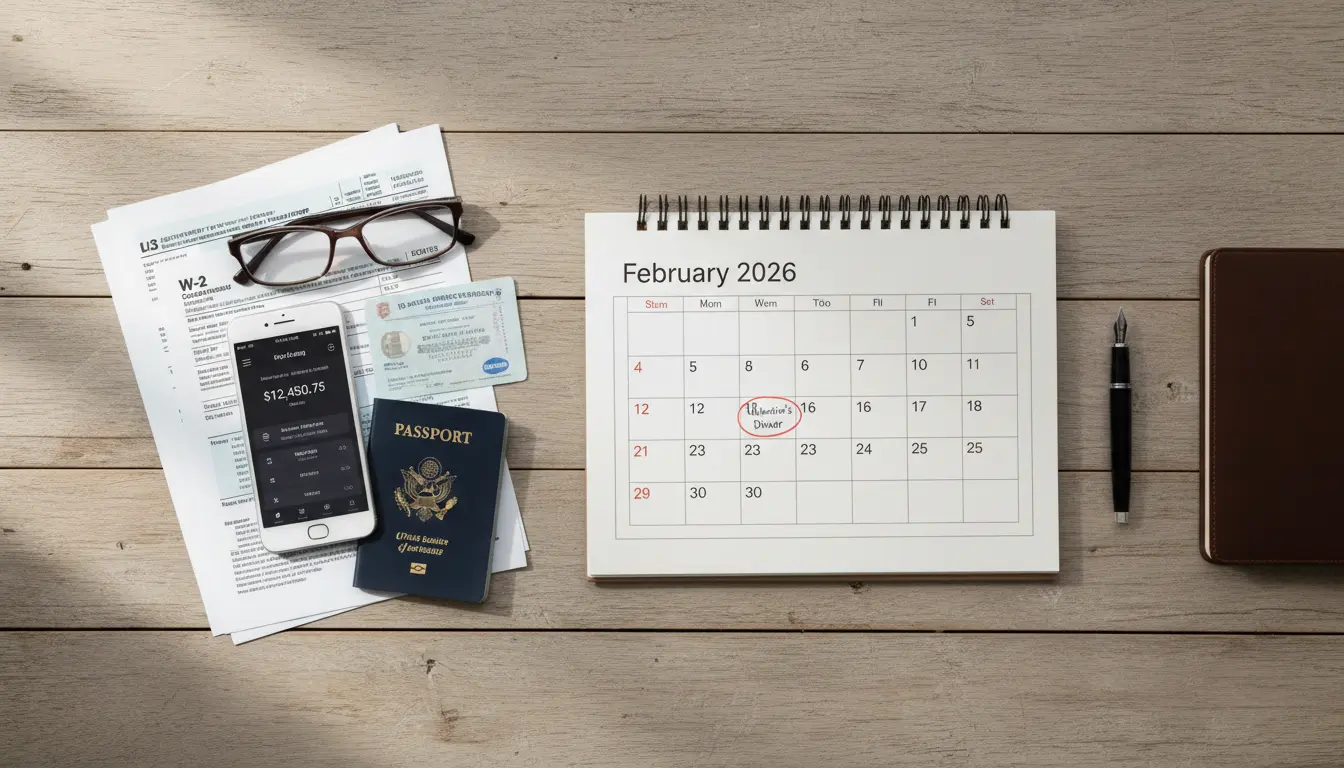
Many people are preparing for the planned federal $2000 stimulus payments in February 2026. This guide explains typical eligibility rules, how payments are delivered, and step-by-step actions if you don’t receive your payment.
Who Qualifies for Federal $2000 Stimulus Payments in February 2026
Eligibility depends on the program’s rules, which are usually based on income, filing status, and dependent claims. Payments are often tied to the most recent tax return on file or Social Security records.

Common eligibility factors include:
- Citizens and qualifying resident aliens with a valid Social Security number.
- Income limits and phase-outs based on adjusted gross income (AGI) reported on the most recent tax return.
- Household members claimed as dependents may affect payment amounts.
- People receiving Social Security, SSI, or VA benefits who do not file tax returns are often automatically eligible.
Dependents, Married Couples, and Special Cases
Dependent rules are important. Some programs pay additional amounts per qualifying dependent, while others exclude adult dependents.
Married couples who file jointly usually have combined income considered for phase-outs. Nonresident aliens, incarcerated individuals, and people who are deceased at the time of payment are generally excluded.

Students, part-time workers, and households with mixed immigration status should check official IRS guidance for exceptions and documentation rules.
How to Claim Federal $2000 Stimulus Payments in February 2026
If you qualify, many people receive the payment automatically. If you don’t, follow these steps to claim or correct the payment.
Step 1 — Confirm Eligibility and Payment Status
Check the IRS and Treasury Department announcements first. Use the official IRS online tool for payment status updates when it is available.

Have recent tax returns, Social Security statements, or benefit notices ready when you check status. These documents help confirm the government has your correct information.
Step 2 — Update Your Direct Deposit or Mailing Address
If you filed taxes recently, the IRS will use the bank account on file. If your bank or address changed, update it through the IRS tool provided for this payment or by filing the next tax return with current bank details.
Nonfilers who normally don’t file a return may need to use a non-filer registration tool the IRS provides in some stimulus programs to supply payment details.
Step 3 — Claim the Payment If You Didn’t Receive It
If you did not receive the payment automatically, you can usually claim it on the next tax return as a refundable credit. Keep documentation showing you meet eligibility rules.
Typical options include:
- Using an IRS non-filer portal (if offered) to register for the payment.
- Claiming the equivalent tax credit on your 2025 tax return if the payment was missed.
- Contacting the IRS if you received an incorrect amount or no notice.
Step 4 — Watch for Official Notices and Letters
The IRS usually mails letters explaining the payment amount and method. Keep these letters for your records; they make claiming a missed payment easier.
If you receive a letter but disagree with it, follow the instructions on the notice. Do not rely on unofficial sources to correct payment records.
Common Questions and Practical Tips
Below are frequent questions people have about the February 2026 payments and short, practical answers.
- How long will it take? Direct deposit is fastest; mailed checks or debit cards can take several weeks longer.
- What if my payment is wrong? Keep your tax records and contact the IRS using official channels.
- Can I get the money if I didn’t file taxes? Often yes, either automatically through benefit records or by using a non-filer tool.
Real-World Example
Case study: Maria is a single parent who receives Supplemental Security Income and did not file a tax return in 2025. The IRS used her benefit records to send a direct deposit in February 2026. She received an official notice showing the payment amount and the account used.
Another example: Jamal filed taxes in 2025 but changed banks in December. He didn’t receive a deposit. After checking IRS status tools and seeing no deposit, he updated his bank information on his 2025 tax filing and claimed the missing payment as a credit on his 2025 return, receiving the funds with his refund.
Protect Yourself From Scams
Scammers often target stimulus recipients. The IRS will not call to demand payment of fees or request your banking password.
Official communication will come by mail or secure IRS tools. Ignore unsolicited texts or emails asking for personal financial information.
Next Steps
To prepare, gather your 2024 and 2025 tax records, Social Security or benefit letters, and your current bank routing information. Bookmark the IRS payment status page and watch for official notices.
If you still have questions after checking official guidance, contact a trusted tax professional or use IRS help resources. Proper documentation and timely action will make claiming or correcting a payment much easier.