
Overview of Federal $2000 Deposits Coming in February 2026
The federal $2000 deposits coming in February 2026 are direct payments authorized for a specific group of eligible beneficiaries. This guide explains who qualifies, how and when the money will be delivered, and what to do if you do not receive the deposit on schedule.
Who Is Eligible for the Federal $2000 Deposits Coming in February 2026?
Eligibility is limited and based on criteria defined by the federal directive that authorized the payments. Typical qualifying groups include certain retired beneficiaries, low-income households, and recipients of specific federal benefits.
Key eligibility points:
- Primary qualification is income-based or program-based, depending on the directive.
- Citizens, lawful permanent residents, or qualifying residents with valid taxpayer identification may be included.
- Some categories require enrollment in a federal benefits program (for example, Social Security or VA benefits).
Documents and records you may need
- Most recent tax return or IRS account transcript.
- Benefit statements (SSA, VA, or other federal program letters).
- Bank routing and account numbers for direct deposit verification.
How the Federal $2000 Deposits Will Be Delivered
Payments are expected to be issued by direct deposit whenever possible. Paper checks or prepaid cards may be used when direct deposit information is not available.
Delivery methods include:
- Direct deposit into the bank account on file with the federal agency.
- Paper check mailed to the mailing address on record.
- Prepaid debit card where mail or banking access is limited.
How to confirm your payment method

Check the agency portal or your benefit online account to confirm the bank account and mailing address on file. Update details well before mid-January 2026 to avoid delays.
Timeline and Important Dates
Understanding the timeline helps set expectations. Below is a practical schedule based on official rollout communications.
- January 2026: Eligibility lists finalized and notifications sent to agencies.
- Late January 2026: Agencies begin preparing direct deposit files.
- February 2026: Main deposit window — most eligible beneficiaries receive the $2000 deposit.
- March–April 2026: Catch-up payments, adjustments, and corrections for late or missing deposits.
When to expect your deposit
If you are eligible and your direct deposit info is correct, expect the payment during the main February window. Mail delivery can add 1–3 weeks for paper checks.
Rules, Limits, and Tax Considerations
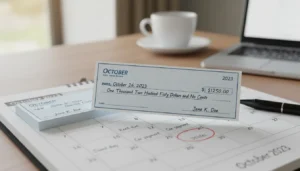
These deposits may have specific rules on usage and reporting. Most direct assistance payments are non-taxable, but rules can vary.
- Amount: A flat $2000 per eligible individual according to the directive.
- One-time payment: Generally a single payment, not recurring.
- Taxability: Check the official IRS guidance; many federal assistance payments are non-taxable but must be confirmed.
- Offset risks: Some debts (child support, certain federal debts) may allow offset in limited cases — verify with your agency.
What To Do If You Don’t Receive the Federal $2000 Deposit
If you expected a payment and did not receive it, follow a step-by-step approach to resolve the issue quickly.
- Verify eligibility and contact information in your benefit or tax account.
- Check payment status on the issuing agency website using your user ID or benefit number.
- Call the agency directly if the portal shows payment issued but you did not receive funds.
- Submit a claim or correction form if directed by the agency to request a reissue.
Common reasons for missing payments
- Incorrect or outdated bank routing/account information.
- Mailing address change without update to agency records.
- Eligibility errors during initial verification.
Agencies often allow a 60- to 90-day correction window after the main payment window for reissues and adjustments. Keep documentation and confirmation numbers for any requests you file.
Real-World Example
Case study: Maria, a retired teacher on Social Security, confirmed her direct deposit info online in December 2025. She received the $2000 deposit by direct deposit on February 10, 2026. Her neighbor, John, relied on mailed checks and had an old address; he contacted the agency in March and received a reissued check in April after verifying his address.
Lessons from the case study:
- Verify and update contact and bank information early.
- Expect direct deposit to be fastest; mail can be delayed.
- Keep records of communication when you request a reissue.
Summary and Practical Steps
To prepare for the federal $2000 deposits coming in February 2026, take these actions now:
- Confirm eligibility through official agency resources.
- Update bank and mailing information before mid-January 2026.
- Monitor the agency portal during February and retain proofs of eligibility and communications.
This guide outlines the typical process and actions beneficiaries should take. Always consult the specific federal agency handling your benefit for the most current instructions and timelines.