
Overview of the February 2026 federal deposits
The federal government confirmed one-time deposits of $2,000 scheduled for February 2026. These payments are part of a targeted program and follow specific rules and eligibility rules set by the issuing agency.
This article explains who qualifies, what rules apply, the payment schedule, and practical steps to prepare and check the status of your deposit.
2000 Federal Deposits Confirmed for February 2026

The payment amount is $2,000 per eligible recipient. The disbursement window begins in early February and continues through that month depending on payment method and verification steps.
Knowing the exact timeline and requirements helps avoid delays and ensures you receive the deposit on time.
Essential rules for the February 2026 deposits
The program follows these core rules. Read each carefully to determine your eligibility and obligations.
- Payments are one-time and not renewable unless otherwise announced by the agency.
- Eligibility is verified against recent tax or benefit records; accurate documentation is essential.
- Direct deposit is the fastest method; mailed checks take longer and may be delayed by postal issues.
- Fraud protection checks are applied; some accounts may require identity verification before release.
Eligibility Criteria
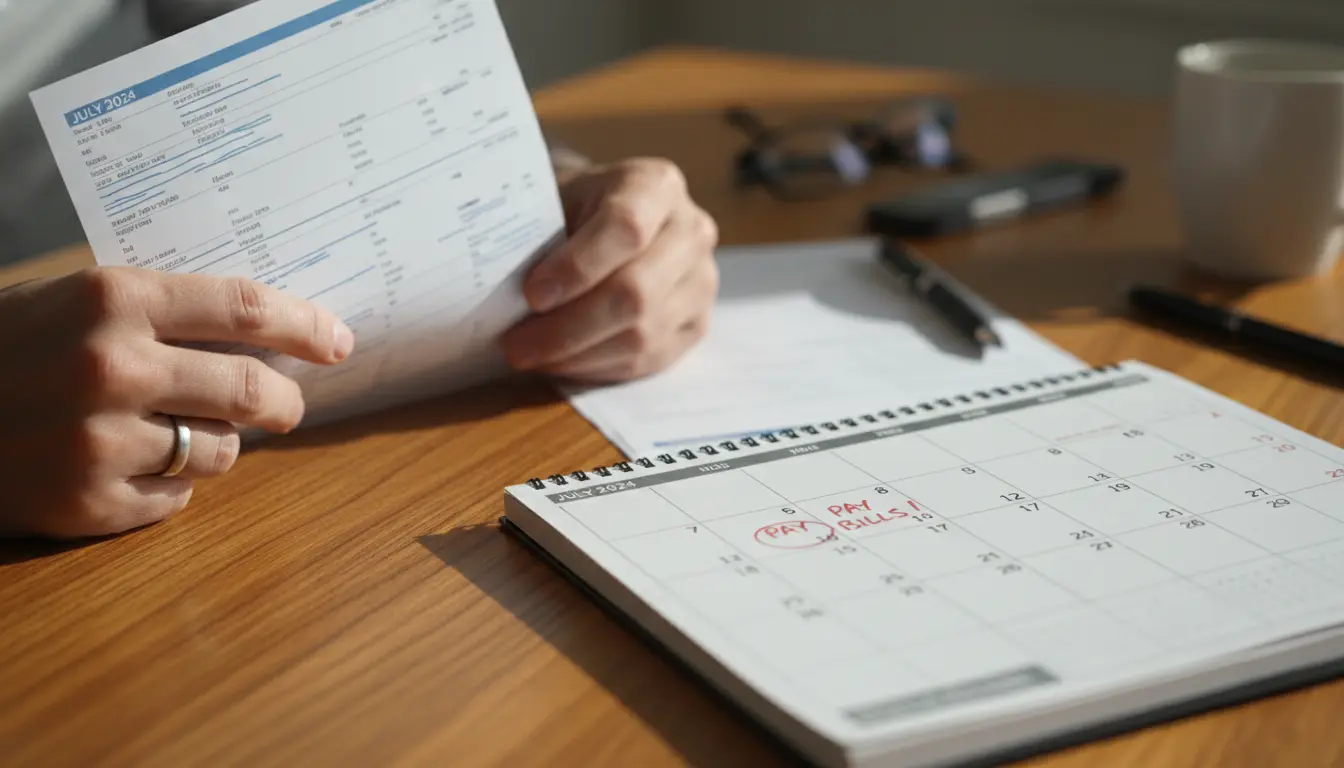
Eligibility is based on residency, income, and benefit status at specific cutoff dates set by the agency. Meeting one or more criteria will typically qualify you.
Who commonly qualifies
Common qualifying groups include low- and moderate-income individuals, recipients of specified federal benefits, and households meeting program income thresholds.
Exact eligibility can vary by state and program rules, so check the official notice or portal for your area.
Documentation and verification

Be prepared to provide or have on file:
- Recent tax return or tax transcript
- Proof of benefit enrollment (Social Security, SSI, veterans benefits, etc.)
- Valid photo ID and proof of residency if requested
Some programs automatically use your most recent tax return to confirm eligibility and determine payment method, so filing on time can speed up processing.
Payment Schedule and Methods
Understanding when and how payments arrive lets you plan. The schedule below shows common timelines.
Typical timeline
- Early February: Initial direct deposits begin for accounts on file.
- Mid-February: Continued direct deposits and the start of mailed payments for those without bank info.
- Late February: Final wave of mailed checks and any delayed payments after verification.
How payments are delivered
Two main delivery methods are used: direct deposit and paper check.
- Direct deposit: Fastest, usually delivered within 1–3 business days of processing.
- Mailed check: Delivery can take 7–21 days depending on postal service and address accuracy.
How to prepare and verify eligibility
Follow these steps to prepare and reduce delays. The checklist below helps you confirm your status quickly.
Checklist to prepare
- Confirm your mailing address and bank routing/account numbers with the issuing agency or via the agency portal.
- Ensure your latest tax return or benefit records are up to date.
- Watch official agency emails, texts, or mailed notices for any identity verification requests.
- Set up direct deposit if you prefer faster delivery and haven’t done so.
Common issues and how to resolve them
Here are frequent problems and practical fixes if your deposit does not arrive as expected.
- Missing or incorrect bank details: Contact the agency immediately and provide accurate routing and account numbers.
- Returned mail or wrong address: Update your mailing address in the agency portal or by phone.
- Identity verification hold: Respond quickly to verification requests with required documents to clear the hold.
- Delayed check: Track via the postal service or agency tracking number if provided.
Case study: Simple real-world example
Maria, a 54-year-old teacher, had direct deposit on file through her recent tax return. Her payment posted by the third week of February without additional steps.
By contrast, James, who changed banks in January and didn’t update his account information, received a mailed check three weeks later after he corrected his bank details with the agency.
What to do if you still haven’t received your payment
Start with the agency’s online portal to check payment status and notices. Look for an expected deposit date or a verification hold message.
If the portal does not help, call the official support number and have your ID, tax filing info, and any benefit ID ready. Avoid sharing personal details with unverified callers or third-party services claiming to speed up payments.
Final checklist before February
- Confirm or add direct deposit information to the issuing agency.
- File or update your latest tax return if required for eligibility.
- Keep an eye on official communication channels for verification requests.
- Prepare ID and proof of benefit or residency in case you are asked to verify.
Following the rules and preparing early will reduce delays and help ensure you receive your February 2026 $2,000 federal deposit on schedule. For the most accurate, personalized guidance, consult the official agency announcement or portal handling the payments.