
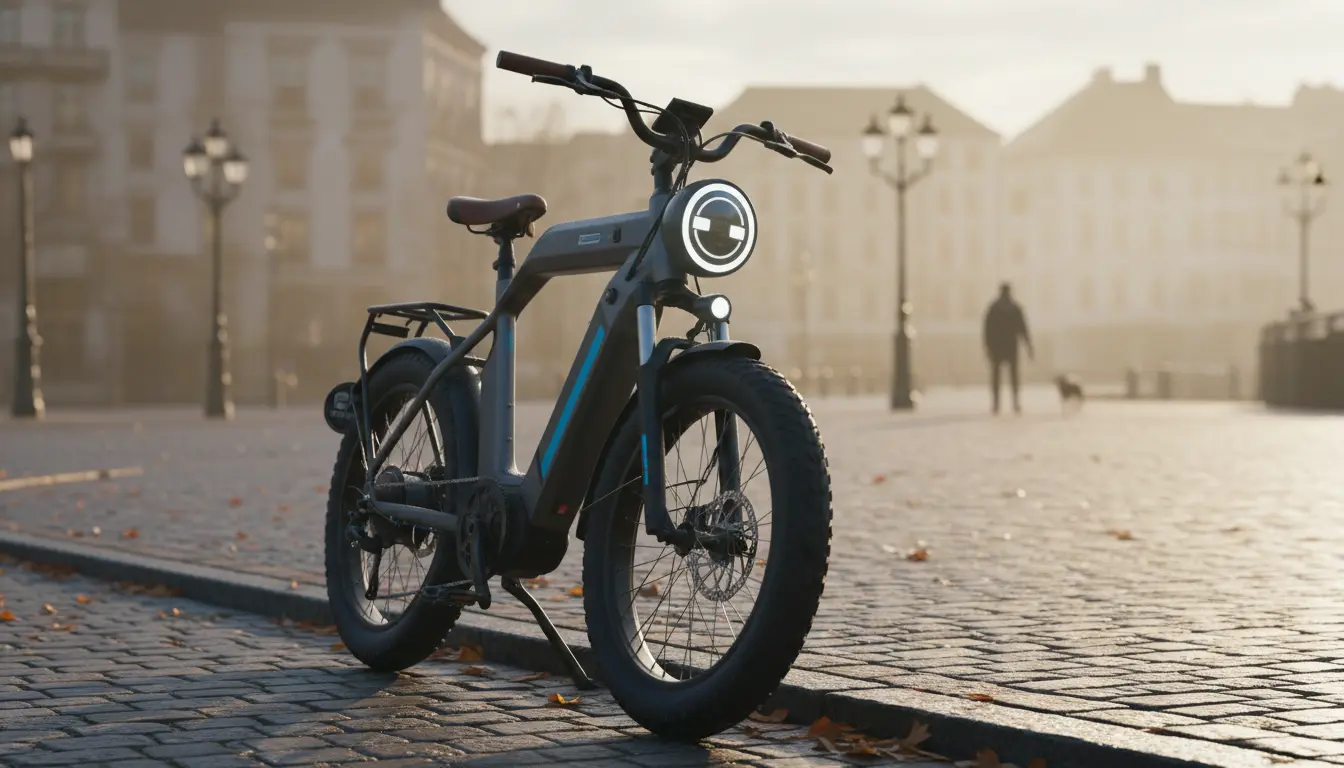
Regular electric bike maintenance keeps your e-bike safe and reliable while cutting long-term repair costs. This guide focuses on practical, repeatable checks you can do weekly and deeper maintenance to schedule monthly or annually.
Electric Bike Maintenance Basics
Start with a simple routine to spot problems early. A quick pre-ride check should take less than five minutes and prevent most roadside issues.
Pre-Ride Checklist for Electric Bike Maintenance
- Inspect tires for cuts and check pressure.
- Test brakes for firm engagement and no dragging.
- Confirm battery charge and power-on sequence.
- Listen for unusual noises during a short roll.
Battery Care for Electric Bike Maintenance

The battery is the most expensive component on most e-bikes. Proper charging, storage, and handling extend battery life and maintain range.
Charging Best Practices
Use the manufacturer-supplied charger whenever possible. Avoid charging in extreme temperatures and unplug once the battery reaches full charge.
- Charge indoors at room temperature for best results.
- Avoid leaving the battery on the charger for weeks at a time.
- Partial charges are fine; lithium batteries do not need full cycles every time.
Storing and Transporting the Battery
If you store the e-bike for long periods, keep the battery at about 40% to 60% charge. Remove the battery for storage in cold or wet environments when possible.

Keeping an e-bike battery between 20% and 80% charge can add years to its useful life and reduce capacity loss over time.
Tire and Brake Checks in Electric Bike Maintenance
Tires and brakes affect safety directly. Higher weight and speed on e-bikes increase wear, so inspect these parts more often than you would on a regular bicycle.
Tire Care
- Check tire pressure weekly; follow the sidewall recommendation and adjust for rider weight and cargo.
- Look for embedded glass, threads, or bulges and replace tires showing significant damage.
Brake Inspection
Inspect brake pads for thickness and rotors for warping. Adjust cable tension or hydraulic fluid as specified by the manufacturer.
Drivetrain and Electrical Connections

Electric bike maintenance includes attention to the chain, cassette, and all electrical connectors. A clean drivetrain improves efficiency and reduces motor load.
- Clean and lubricate the chain every 200–300 miles or after riding in wet conditions.
- Tighten loose connectors and use dielectric grease on plug contacts if recommended.
- Check the motor mounting bolts and frame fasteners periodically.
Regular Servicing and Troubleshooting
Schedule a professional service at least once a year, more often if you ride daily or in rough conditions. A shop can calibrate sensors, inspect internal motor components, and update firmware.
Common Troubleshooting Steps
- If range drops significantly, test battery voltage and check for excessive drag in the drivetrain.
- If the motor cuts out, check safety switches like the kickstand sensor and loose connectors.
- Strange noises often come from loose bolts, worn bearings, or debris in the motor housing.
Case Study: Urban Commuter e-Bike
Sarah commuted 12 miles each way and noticed reduced range after six months. She followed a maintenance routine and recovered most of her range without replacing the battery.
- Action 1: Replaced a worn rear tire and removed embedded debris.
- Action 2: Cleaned and lubricated the drivetrain; tightened motor mount bolts.
- Action 3: Changed charging practice—storing battery at 50% overnight and avoiding overnight trickle charging.
Result: Sarah regained about 10–15% of lost range and reduced unusual motor noise. A professional tune-up within the year ensured sensors were calibrated.
Quick Maintenance Schedule
- Before every ride: quick safety and tire check.
- Weekly: general cleaning, battery top-up, tire pressure check.
- Monthly: detailed drivetrain cleaning, connector inspection.
- Annually: professional service and software/firmware updates.
Consistent, simple maintenance prevents most issues and keeps your electric bike performing well. Follow these electric bike maintenance tips, and you’ll extend component life, improve safety, and enjoy a more reliable ride.