
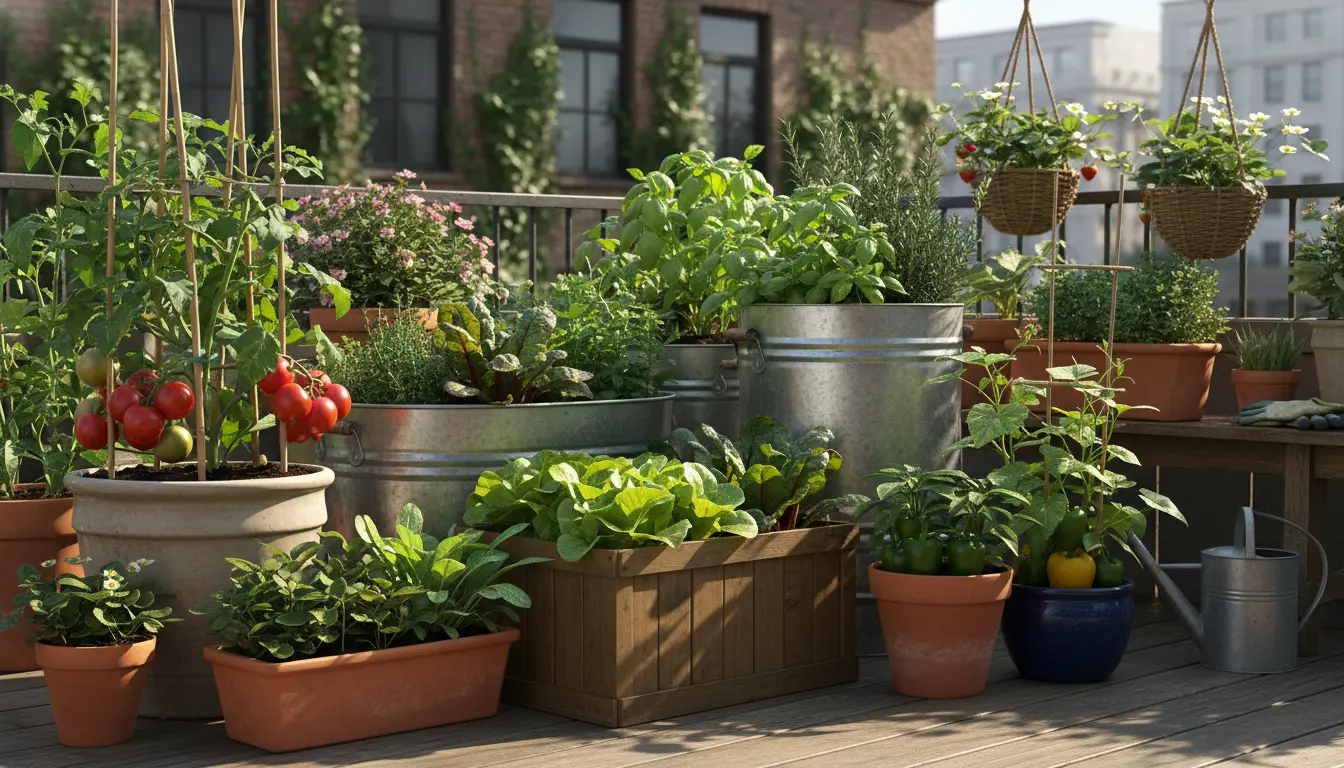
Why Choose Container Vegetable Gardening
Container vegetable gardening is ideal for beginners, apartment dwellers, and anyone with limited space. It lets you control soil, drainage, and plant placement for better results.
This guide covers practical steps you can follow to start and maintain a productive container vegetable garden.
Choose the Right Containers for Container Vegetable Gardening
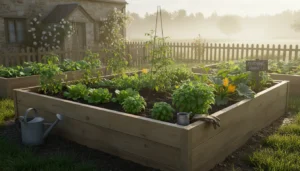
Container choice affects root health, water retention, and plant stability. Aim for containers with drainage holes and sturdy material.
- Small herbs and lettuce: 6–10 inch pots.
- Peppers and dwarf tomatoes: 12–18 inch pots.
- Large tomatoes, squash, or potatoes: 20+ gallon containers.
Use lightweight containers for balconies and heavy clay or ceramic pots where stability is needed.
Select Soil and Amendments for Container Vegetable Gardening
Do not use garden soil in containers; it compacts and drains poorly. Choose a high-quality potting mix formulated for vegetables.
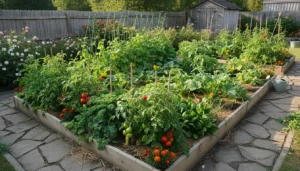
Look for mixes with peat or coconut coir, perlite for drainage, and slow-release fertilizer. You can add compost for nutrients and moisture retention.
Potting Mix Recipe Example
Mix equal parts of the following for a balanced homemade potting mix:
- Coconut coir or peat moss
- Perlite or coarse sand
- Compost or well-rotted manure
Pick the Best Vegetables for Containers
Start with easy, compact, or determinate varieties. These perform well in limited root space and are forgiving for new gardeners.
- Leafy greens: spinach, lettuce, arugula
- Herbs: basil, parsley, chives
- Compact fruits: cherry tomatoes, patio peppers
- Root crops: radishes, baby carrots, container potatoes
Sunlight and Placement for Container Vegetable Gardening
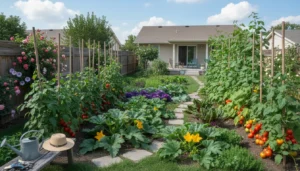
Most vegetables need 6–8 hours of direct sun daily. Observe your balcony or patio to find the sunniest spot.
If full sun is unavailable, grow shade-tolerant crops like leafy greens and herbs in partial shade.
Watering and Drainage Practices
Containers dry out faster than ground soil. Check moisture daily in hot weather and water when the top inch feels dry.
Use these watering tips:
- Water thoroughly until water drains from the bottom.
- Avoid frequent shallow watering; it encourages weak roots.
- Consider self-watering containers or drip lines for consistent moisture.
Feeding and Fertilizing in Containers
Container plants rely on you for nutrients. Use a balanced organic fertilizer or a water-soluble feed every 2–4 weeks during the growing season.
For heavy feeders like tomatoes and peppers, apply a tomato-specific fertilizer following label rates.
Pest and Disease Management for Container Vegetable Gardening
Containers reduce soil-borne disease risk, but pests still appear. Inspect plants regularly and act early.
- Manual removal: pick off pests like caterpillars and beetles.
- Use insecticidal soap or neem oil for soft-bodied insects.
- Ensure good air circulation to limit fungal issues.
Companion Planting Examples
Plant basil near tomatoes to possibly improve flavor and repel pests. Marigolds can deter some nematodes and beetles.
Tomato plants in containers often produce fruit faster than those in ground beds because roots warm up earlier and nutrients are concentrated.
Seasonal Care and Crop Rotation
Plan for succession planting to maximize space. After harvesting lettuce, replace with a heat-loving crop like peppers.
Rotate crop families between seasons to reduce pest buildup. Replace potting mix or refresh topsoil annually.
Small Case Study: Balcony Tomatoes That Thrived
Sarah, a city renter, used two 10-gallon fabric grow bags on a sunny balcony. She planted a determinate cherry tomato and a pepper plant in each bag.
She used a quality potting mix with compost, watered daily in summer, and fed plants every three weeks with liquid fertilizer. The result: consistent harvests of cherry tomatoes for three months and healthy peppers through fall.
Key takeaways from her case: use appropriately sized containers, maintain regular watering, and choose compact varieties.
Quick Troubleshooting Guide for Container Vegetable Gardening
- Yellow leaves: possible nutrient deficiency or overwatering.
- Wilting midday: water stress; check soil moisture.
- Poor fruit set: insufficient sunlight or inconsistent temperatures.
Final Checklist to Start Your Container Vegetable Gardening
- Choose containers with drainage and proper size.
- Select a quality potting mix and add compost.
- Pick beginner-friendly vegetable varieties.
- Position containers for adequate sunlight.
- Establish a watering and feeding routine.
Container vegetable gardening is a practical way to grow fresh produce in small spaces. Follow these steps, observe your plants, and adjust as you learn. The first season teaches tools and timing that will improve future harvests.