
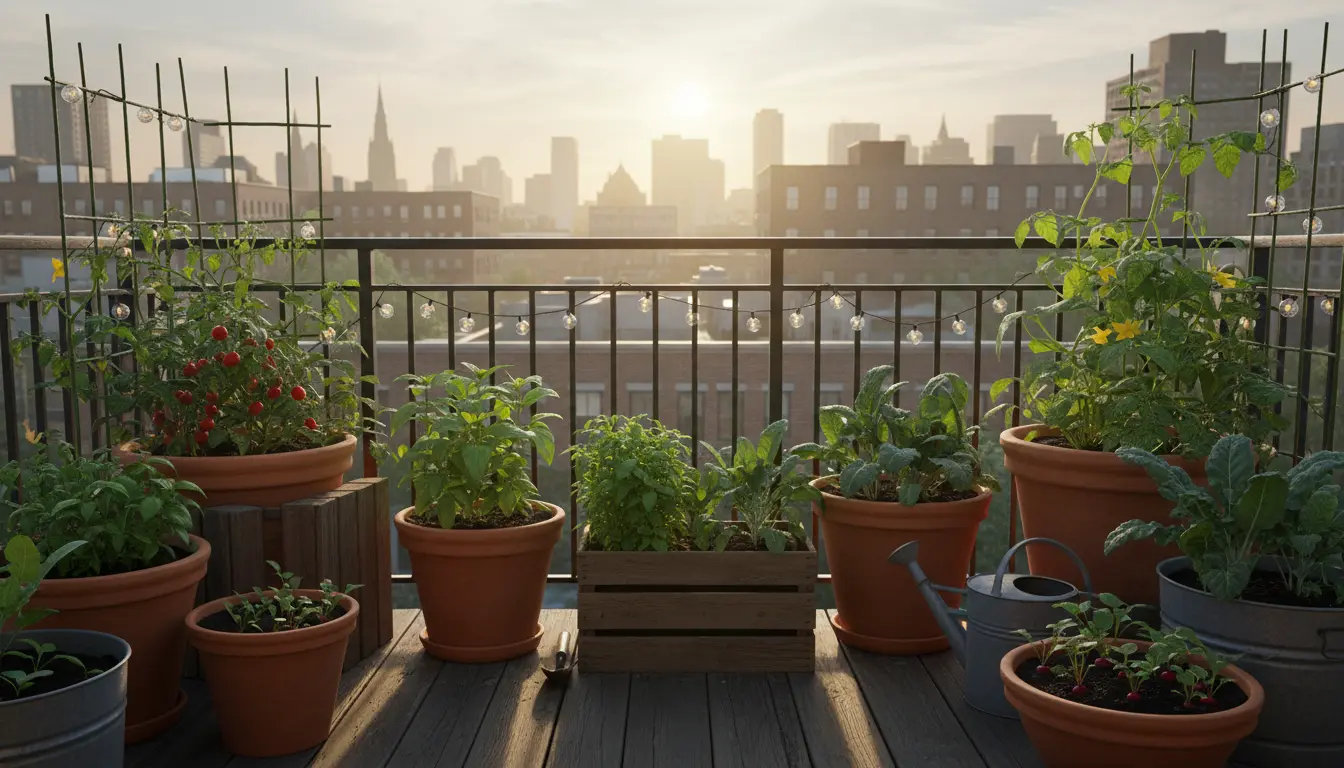
Why Choose a Container Vegetable Garden
A container vegetable garden is ideal for small spaces, patios, and balconies. It lets you control soil, water, and plant placement for better results.
Containers reduce weed pressure and can extend your growing season with movable pots. This guide gives practical steps to start and maintain a productive container vegetable garden.
Planning Your Container Vegetable Garden
Start by choosing the right location. Most vegetables need at least 6 hours of direct sunlight, so pick a sunny spot on a balcony, deck, or windowsill.
Consider container size and material. Larger pots hold more soil and moisture, reducing the need for frequent watering.
Choosing Containers for a Container Vegetable Garden
Use containers with drainage holes to prevent root rot. Common options include plastic pots, fabric grow bags, wooden boxes, and glazed ceramic.
- Small pots (under 5 gallons): herbs, lettuce, radishes
- Medium pots (5–10 gallons): peppers, dwarf tomatoes, bush beans
- Large pots (10+ gallons): indeterminate tomatoes, potatoes, eggplant
Picking Vegetables for a Container Vegetable Garden
Choose compact or container-specific varieties. Look for words like bush, patio, or dwarf on seed packets and labels.
- Easy: lettuce, spinach, radishes, cherry tomatoes, basil
- Moderate: peppers, bush beans, dwarf cucumbers
- Advanced: large tomatoes, squash (needs big pots), potatoes
Soil and Fertilizer for Container Vegetable Garden
Use a high-quality potting mix rather than garden soil. Potting mix holds air and drains well, which roots need in containers.
Add a slow-release organic fertilizer at planting, then use a water-soluble feed every 2–4 weeks during the growing season.
Soil Mix Recipe
Mix equal parts of the following for a balanced container soil:
- Peat or coco coir for moisture retention
- Perlite or coarse sand for drainage
- Compost for nutrients and microbial life
Watering and Sunlight Tips for Container Vegetable Garden
Containers dry out faster than ground soil, so check moisture daily in warm weather. Stick a finger 1–2 inches into the soil; if dry, water.
Water deeply until it runs from drainage holes. Avoid shallow, frequent watering which encourages weak roots.
Sunlight Management
Monitor sun exposure across the season. Use shade cloth in extreme heat or move pots to catch daily sun patterns.
- Full sun plants: 6+ hours/day (tomatoes, peppers)
- Partial sun plants: 3–6 hours/day (leafy greens, herbs)
Pest and Disease Control in a Container Vegetable Garden
Containers reduce many pests but do not eliminate them. Inspect plants weekly for aphids, caterpillars, and fungal spots.
Use practical controls first: handpick pests, prune diseased leaves, and apply insecticidal soap when necessary.
Preventive Practices
- Rotate crops between seasons to prevent soil-borne issues.
- Sanitize tools and use fresh potting mix each year if disease recurs.
- Provide good air circulation by spacing containers appropriately.
Seasonal Care for Your Container Vegetable Garden
Adjust care as seasons change. In early spring, start seedlings indoors or buy transplants for quicker harvests.
In hot summer months, increase watering and provide afternoon shade for sensitive crops. In fall, move pots to protected areas to extend harvest time.
Harvesting and Yield Tips
Harvest frequently to encourage more production, especially for herbs and leafy greens. Pick ripe fruit early to avoid pests and sunscald.
Record what varieties produced best in your containers for next season planning.
Tomatoes in containers can produce as much fruit per plant as ground-grown tomatoes when given 10+ gallons of soil and consistent feeding.
Simple Real-World Example
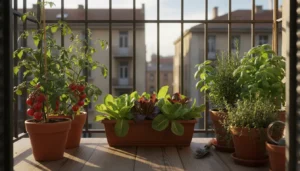
Case study: Maria, an apartment gardener, set three 10-gallon containers on her south-facing balcony. She planted cherry tomatoes, basil, and lettuce in spring.
By using a quality potting mix, a slow-release fertilizer, and daily morning watering, Maria harvested cherry tomatoes from July through October. She moved pots under cover during heavy rain and rotated soil annually.
Her tips: pick determinate or compact varieties, stake or cage tomatoes, and check moisture daily during heat waves.
Quick Start Checklist for a Container Vegetable Garden
- Choose a sunny spot with 6+ hours of sun.
- Select appropriate container size for each crop.
- Use quality potting mix and add compost.
- Plant container-friendly varieties and transplant at proper spacing.
- Water deeply and feed regularly with balanced fertilizer.
- Inspect for pests and rotate crops yearly.
With consistent care and the right choices, a container vegetable garden delivers fresh produce in small spaces. Start with a few easy crops and expand as you learn microclimate and watering needs.