
Why Container Gardening for Small Spaces Works
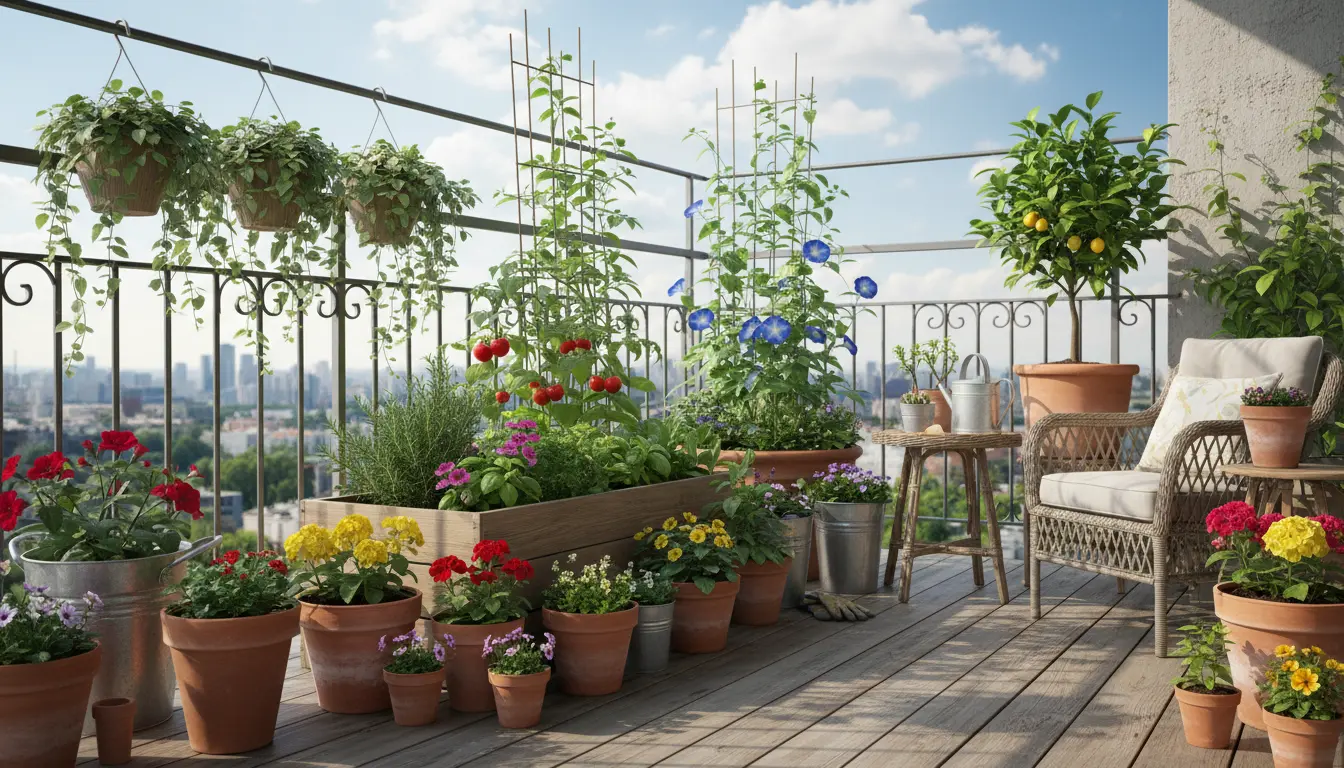
Container gardening turns patios, balconies, and tiny yards into productive green areas. It works because you control soil, water, and plant choice, making it ideal for limited space.
This guide gives practical, step-by-step advice to set up container gardening for small spaces and avoid common mistakes.
Planning Your Container Garden for Small Spaces
Start by assessing light, space, and weight limits. Measure the area and observe sunlight for a few days to know which plants will thrive.
Decide whether you want edible plants, flowers, or a mix. That choice shapes container size and soil needs.
Light and Location
Full sun means at least six hours of direct light. Partial shade is four hours, and shade is less than four.
Place sun-loving containers on the south or west side; shade lovers go on north or east exposures.
Weight and Safety
Balconies and rooftops have weight limits. Use lightweight pots (fiberglass, resin) and lighter soil mixes to reduce load.
Keep heavier containers close to walls and avoid placing many large pots on edges.
Choosing Containers for Container Gardening for Small Spaces

Select containers based on plant root depth and space available. Bigger containers hold moisture longer and reduce watering frequency.
- Small herbs: 6–8 inch pots
- Leafy greens: 10–12 inch pots or window boxes
- Tomatoes or peppers: 12–18 inch pots
Ensure containers have drainage holes to prevent root rot. If you must use decorative pots without holes, create a drainage layer and water carefully.
Soil and Fertilizer Tips for Container Gardening for Small Spaces
Use a high-quality potting mix, not garden soil. Potting mixes are lighter, drain well, and contain ingredients to hold moisture.
Add slow-release fertilizer at planting and supplement with liquid feed every 3–4 weeks during the growing season for vegetables and heavy feeders.
Soil Mix Example
Mix equal parts peat-free potting compost, perlite for drainage, and well-rotted compost for nutrients. This gives a balance of moisture retention and airflow.
Watering and Maintenance
Containers dry out faster than the ground. Check soil moisture daily in hot weather by sticking a finger into the soil to the first knuckle.
Water thoroughly until excess drains from the bottom. Avoid light daily sprinkling; deep, less-frequent watering encourages stronger roots.
Practical Maintenance List
- Water in the morning to reduce evaporation and disease.
- Deadhead flowers and harvest regularly to encourage production.
- Top-dress soil with compost each season to refresh nutrients.
- Rotate pots seasonally to balance light exposure and growth.
Plants in containers can be up to 50 percent more productive per square foot than traditional garden beds because you can optimize soil, drainage, and placement.
Plant Selection for Container Gardening for Small Spaces
Choose compact varieties labeled bush, patio, or dwarf. These cultivars deliver good yields without oversized root systems.
Good container choices include herbs (basil, parsley), salad greens (lettuce, arugula), compact tomatoes, dwarf peppers, and patio strawberries.
Companion Planting Examples
- Basil with tomatoes to improve flavor and repel pests.
- Lettuce under taller peppers to use shade and space efficiently.
- Marigolds near herbs to deter nematodes and insects.
Design and Space-Saving Strategies
Use vertical space with shelves, hanging planters, and trellises. Wall-mounted planters and railing boxes free floor space.
Group pots by watering needs to simplify care and reduce waste. Place thirsty plants together and drought-tolerant ones in a separate group.
Quick Troubleshooting for Container Gardening for Small Spaces
Yellow leaves often mean overwatering or poor drainage. Wilting can mean under-watering or root disease.
Pest issues are manageable with handpicking, insecticidal soap, or introducing beneficial insects like ladybugs for aphids.
Case Study: Anna’s 6-Square-Foot Balcony
Anna transformed a 6-square-foot balcony into a productive container garden using three 12-inch pots and two railing planters. She chose dwarf tomatoes, basil, and lettuce.
Within a season she harvested weekly salads and two tomato harvests. Key actions: proper pot size, daily morning watering, and weekly liquid feed. Her balcony produced more fresh produce per square foot than the community plot she used to tend.
Getting Started: A Simple 4-Week Plan
- Week 1: Measure space, choose containers, and order potting mix and seeds/seedlings.
- Week 2: Fill pots with potting mix and plant herbs or seedlings.
- Week 3: Set up watering routine and place pots in optimum light.
- Week 4: Start a weekly feeding schedule and monitor for pests.
Final Tips for Long-Term Success
Keep a simple journal noting watering, fertilizing, and harvests. This helps improve your choices season to season.
Start small, learn quickly, and expand gradually as you gain confidence. Container gardening for small spaces is scalable and rewarding with low risk.