
Why Choose Container Gardening for Small Spaces
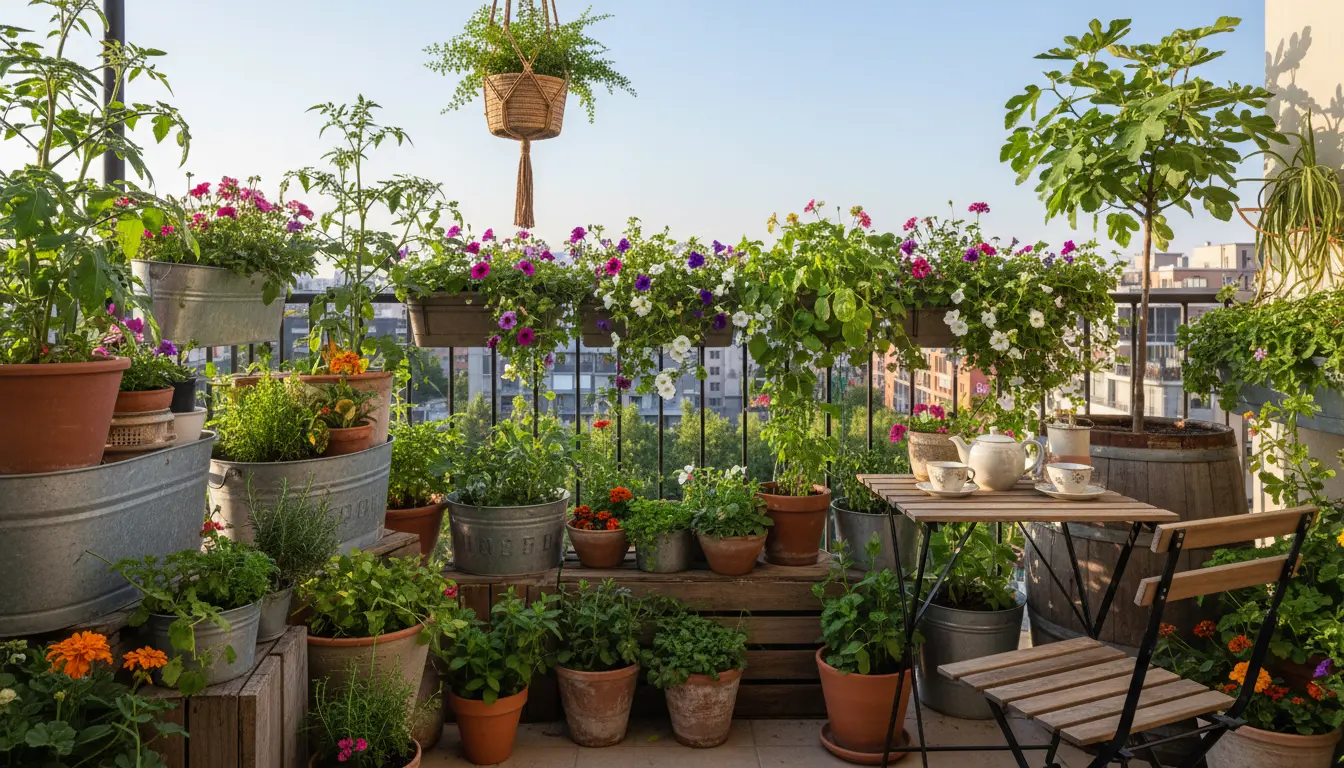
Container gardening for small spaces is a flexible way to grow plants when ground space is limited. It works well on balconies, patios, rooftops, and even sunny windowsills.
You can control soil quality, placement, and plant selection more easily than in a traditional garden. This approach reduces weeds and allows for intensive planting in a small footprint.
Getting Started with Container Gardening for Small Spaces
Begin by assessing the light and space you have. Note hours of direct sun, weight limits for balconies, and access to water.
Decide whether you want mobile pots or fixed planters. Mobility helps for seasonal shifts and managing weather exposure.
Essential tools and materials
- Containers: pots, troughs, grow bags, or recycled buckets
- Quality potting mix suitable for containers
- Hand tools: trowel, pruners, watering can
- Fertilizer and slow-release options
- Supports: stakes, trellises for vining plants
Choosing Containers and Soil
Select containers with drainage holes to prevent waterlogging. Choose materials that match your environment: plastic is light, ceramic retains moisture, and fabric pots improve root aeration.
Pick pot sizes based on the plants you want. Small herbs need 1–3 gallon pots, while tomatoes and peppers prefer 5 gallons or more.
Potting mix for success
Use a commercial potting mix labeled for containers rather than garden soil. Potting mixes are lighter, drain well, and often include amendments for nutrients.
To improve water retention without losing drainage, blend in small amounts of coconut coir or compost at planting time.
Plant Selection for Small Spaces
Choose compact or dwarf varieties to make the most of limited space. Many vegetables and flowers have patio-sized cultivars designed for containers.
Consider mixed containers combining an edible plant, a flowering plant, and a trailing filler for both function and aesthetics.
- Easy herbs: basil, parsley, chives, mint (mint in its own pot)
- Vegetables: cherry tomatoes, bush beans, baby lettuce, radishes
- Flowers: marigolds, petunias, pansies
Watering and Fertilizing in Containers
Containers dry out faster than garden beds. Check moisture by feeling the top 1–2 inches of mix. Water when it feels dry at that depth.
Use consistent watering routines: morning is best to reduce fungal risk and give plants moisture for the day.
Fertilizer guidelines
Container plants need regular feeding because nutrients wash out with frequent watering. Use a balanced water-soluble fertilizer every 2–4 weeks or a slow-release formula at planting.
Follow package rates to avoid over-fertilizing, which can burn roots or create excessive leafy growth at the expense of fruiting.
Light, Placement, and Microclimates
Match plant light needs to the brightest spots. Full-sun plants need 6+ hours of direct sun, while many herbs and salad greens will tolerate partial shade.
Use shelves, rail planters, or vertical trellises to increase planting area. Reflective surfaces like light-colored walls can increase available light.
Common Problems and Solutions
Pest pressure in containers is similar to beds but easier to inspect. Treat early with physical removal, insecticidal soap, or organic controls.
Watch for root-bound plants in small pots. Symptoms include slowed growth and rapid drying; repot into a larger container when needed.
- Yellow leaves: check watering and nutrient balance
- Wilting: water thoroughly and inspect drainage
- Pests: handpick or use targeted, low-toxicity treatments
Container-grown tomatoes can fruit faster than ground-grown plants because soil warms earlier in small pots.
Small Real-World Case Study
Apartment gardener Sara converted a narrow 6-foot balcony into a productive container garden. She used three 5-gallon pots for cherry tomatoes, two long troughs for mixed salad greens, and four 1-gallon pots for herbs.
By placing tomatoes against the sunny railing and shading delicate lettuces in partial shade, she harvested fresh salads most weeks. Sara used a weekly liquid feed and rotated plants seasonally to maintain yields.
Layout Ideas and Planting Combinations
Plan containers by height: tall focal plants at the back, mid-height in the center, and trailing varieties at the edges. This improves airflow and sunlight exposure.
Examples of container combinations:
- Tomato (center) + basil (companion) + nasturtium (edge)
- Salad tray: baby lettuce + arugula + chives
- Herb pot: rosemary + thyme + oregano
Seasonal Care and Overwintering
Adjust containers seasonally: move frost-sensitive pots indoors and reduce watering during cool, wet months. Clean up spent plants and refresh potting mix each spring.
For year-round herbs, bring small pots inside to a bright window during winter or grow under supplemental light.
Final Tips for Container Gardening for Small Spaces
Start small and expand as you learn which plants thrive in your microclimate. Track what worked each season and adapt container size and mix accordingly.
With the right containers, soil, and plant choices, container gardening for small spaces can deliver fresh produce and flowers even in the tightest urban settings.