
Why Choose Container Gardening
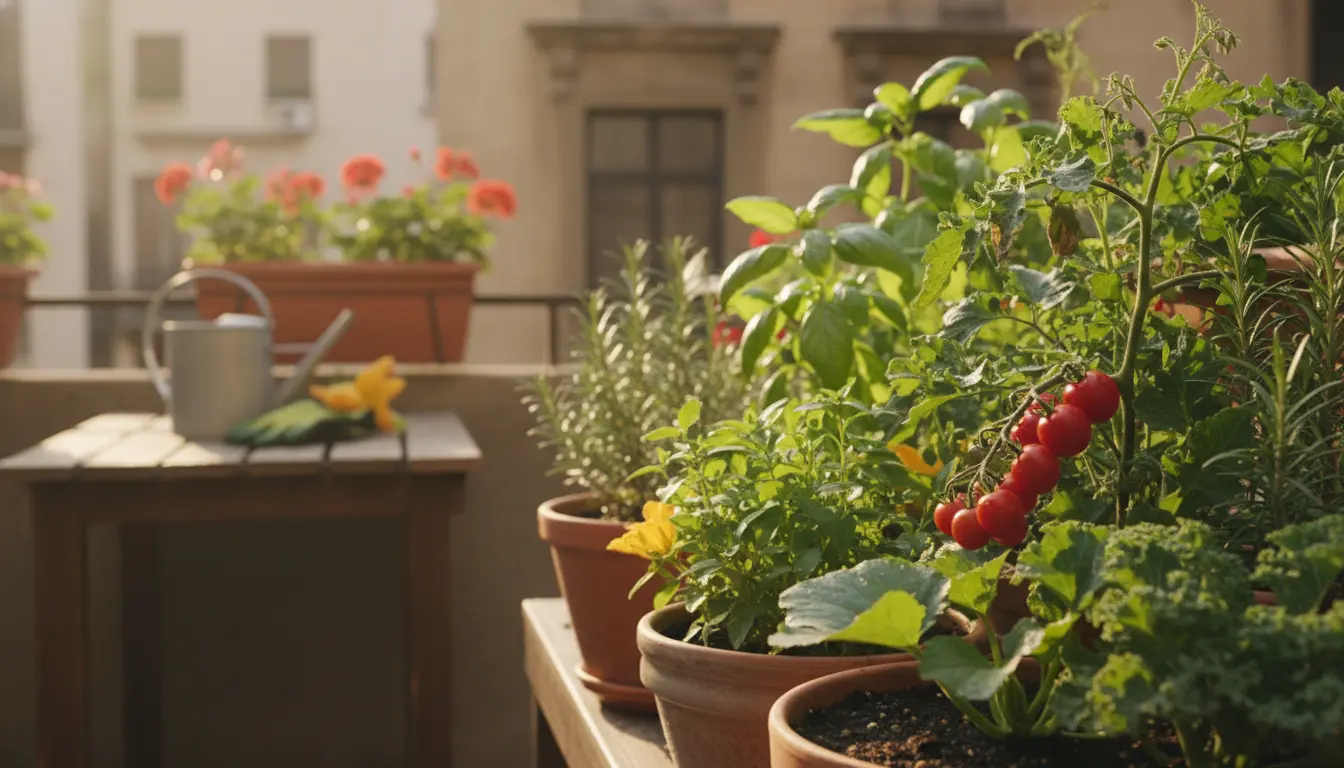
Container gardening lets you grow vegetables, herbs, and flowers in small spaces like balconies, patios, or windowsills. It is ideal for beginners because it limits pests, controls soil quality, and can be done without a yard.
Basic Planning for Container Gardening
Start by assessing light, space, and your time for maintenance. Most vegetables need 6+ hours of direct sun, so map sunny spots and choose containers that fit those areas.
Choosing Containers for Container Gardening
Select containers with drainage holes and good depth for roots. Use pots made of terracotta, plastic, or fabric; each material affects watering frequency and soil temperature differently.
Soil and Potting Mix for Container Gardening
Use a high-quality potting mix designed for containers rather than garden soil. Potting mixes provide good drainage and airflow, which help roots thrive in confined spaces.
Plant Selection for Container Gardening
Choose compact or determinate varieties labeled for containers when possible. Start with easy plants like cherry tomatoes, basil, lettuce, peppers, and radishes to build confidence.
Companion Planting in Containers
Grow herbs like basil or chives with tomatoes to save space and improve flavor or pest control. Ensure plants in the same container have similar water and sun needs to avoid conflicts.
Watering and Feeding in Container Gardening
Containers dry out faster than ground soil, so check moisture daily, especially in hot weather. Water deeply until water runs from drainage holes, then allow the top inch of soil to dry before watering again.
Fertilizing Tips for Container Gardening
Use a balanced liquid fertilizer every 1–2 weeks or a slow-release fertilizer at planting. Monitor plant growth and adjust feeding if leaves look pale or growth slows down.
Pest and Disease Management for Container Gardening

Inspect plants weekly for pests like aphids, whiteflies, or slugs and treat early to prevent spread. Use soap sprays, handpicking, or beneficial insects as low-toxicity options for beginners.
Common Problems and Quick Fixes
- Wilting: Check soil moisture and root crowding; repot if roots are bound.
- Yellow leaves: May indicate overwatering or nutrient deficiency; adjust watering and fertilize.
- Pest damage: Remove affected leaves and apply targeted treatments early.
Seasonal Care and Rotation in Container Gardening
Rotate crops between seasons to avoid soil nutrient depletion and reduce disease buildup. Clean containers and refresh potting mix between major planting cycles to keep plants healthy.
Winter and Cold-Weather Tips
Bring sensitive containers indoors or insulate pots to protect roots from freezing. Switch to cold-tolerant crops like kale or spinach in cooler months if you want year-round harvesting.
Practical Tools and Supplies for Container Gardening
Keep basic tools like a trowel, hand pruner, moisture meter, and watering can handy for efficient care. Use lightweight containers and saucers to avoid back strain when moving pots.
Container gardening can produce faster harvests because pots warm earlier in spring, allowing earlier planting and quicker growth.
Simple Step-by-Step Starter Plan for Container Gardening
- Pick a sunny spot and measure available space.
- Choose 1–3 containers with drainage and at least 8–12 inches depth for most vegetables.
- Fill pots with quality potting mix and plant seeds or seedlings according to spacing guidelines.
- Water thoroughly and create a watering schedule based on daily checks.
- Fertilize lightly after the first few weeks and monitor for pests.
Real-World Example: Maria’s Balcony Herb Garden
Maria had a small south-facing balcony and wanted fresh herbs for cooking. She chose three 10-inch pots and planted basil, thyme, and parsley in separate containers to match watering needs.
Within six weeks, Maria harvested basil for salads and pesto and noticed fewer pest issues than when she planted herbs in the ground. She credits regular watering checks and using a quality potting mix for her success.
Quick Checklist Before You Start Container Gardening
- Assess sunlight and space.
- Choose containers with drainage.
- Buy potting mix and basic tools.
- Select easy container-friendly plants.
- Set a routine for watering and fertilizing.
Container gardening is a practical way to start growing food and flowers with limited space. Follow these steps, start small, and expand as you learn which plants grow best for your conditions.