
Container Gardening Basics
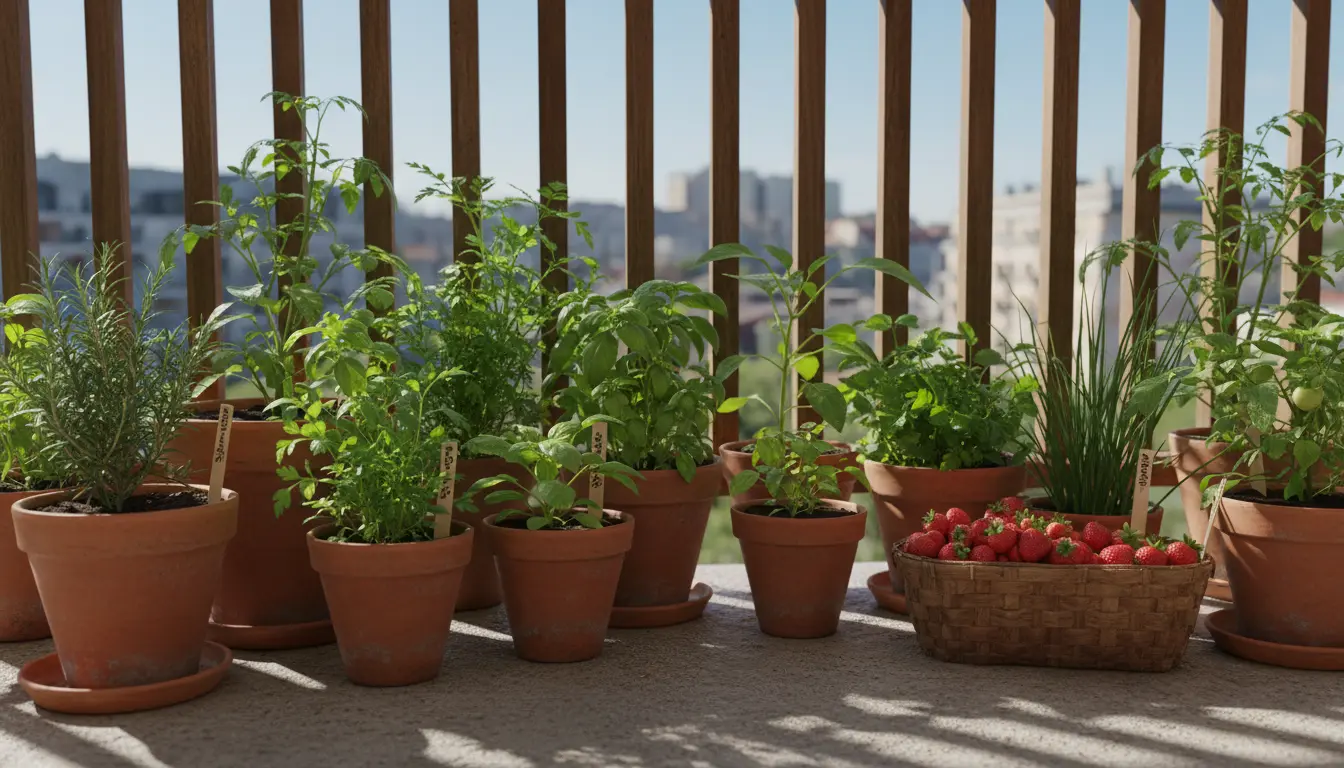
Container gardening is an easy way to grow food and ornamentals when you lack yard space. It fits balconies, patios, windowsills, and small yards while giving control over soil and pests.
This guide covers practical, step-by-step advice for beginners to plan, plant, and maintain a successful container garden.
Plan Your Container Garden
Start by assessing light, space, and goals. Note how many hours of sun the area receives and whether the space is sheltered from wind.
Decide what you want to grow: herbs, salad greens, tomatoes, peppers, or flowers. Choose plants that match your light and time commitment.
Choosing the Right Containers for Container Gardening
Containers come in plastic, terracotta, fabric, wood, and ceramic. Each material affects moisture and weight differently.
- Plastic: Lightweight, retain moisture, less expensive.
- Terracotta: Breathable but dry out faster and are heavier.
- Fabric pots: Promote air pruning of roots and good drainage.
- Wood and ceramic: Attractive but heavier and may require liners.
Select containers with drainage holes. For vegetables, use at least 10-15 liters (2.5-4 gallons) per plant for small crops and larger for tomatoes or peppers.
Soil and Potting Mix for Container Gardening
Use a high-quality potting mix, not garden soil. Potting mixes are designed for aeration, drainage, and light weight.
- Look for mixes with peat, coir, perlite, or vermiculite.
- Add slow-release fertilizer or an organic amendment when filling pots.
- For heavy feeders like tomatoes, mix in compost or well-rotted manure.
Plant Selection and Placement
Choose plants by light needs and container size. Full-sun vegetables need 6+ hours of direct sun.
Group plants with similar water and light requirements to simplify care and reduce stress.
Best Beginner Plants for Container Gardening
- Herbs: Basil, parsley, mint (mint in its own pot to prevent spreading).
- Leafy greens: Lettuce, spinach, arugula — fast and forgiving.
- Compact vegetables: Cherry tomatoes, dwarf peppers, radishes.
- Flowers: Marigolds, nasturtiums for pest control and color.
Watering and Feeding
Containers dry faster than beds, so check moisture frequently. Aim for even moisture without waterlogging.
Water when the top 1–2 inches of the potting mix feel dry. Water deeply until it flows from drainage holes.
Fertilizing Tips for Container Gardening
Regular feeding is essential because nutrients wash out during watering. Use water-soluble fertilizer every 1–2 weeks or a slow-release formula at planting.
Follow label rates to avoid overfertilizing, which can burn roots or reduce yields.
Pest and Disease Control
Inspect plants weekly for pests and disease signs. Early detection prevents larger problems later in the season.
- Handpick larger pests like caterpillars.
- Use insecticidal soap for aphids and whiteflies.
- Improve airflow and avoid overhead watering to reduce fungal disease.
Seasonal Care and Harvesting
Rotate crops in containers to reduce disease build-up and maintain soil health. Replace or refresh potting mix annually for heavy use.
Harvest leafy greens frequently to encourage new growth. Pick fruiting vegetables when ripe to promote continued production.
Growing herbs in containers can reduce grocery costs: a single basil plant can produce enough leaves for dozens of recipes over a season.
Small Real-World Case Study
Case: A renter with a 6-foot balcony grew container tomatoes and herbs over one season. They used three 10-inch pots for cherry tomatoes and four 6-inch pots for herbs.
Results: The tomatoes produced about 8–12 lbs total across the season, while the herbs supplied enough basil and parsley to replace store-bought herbs for months. Minimal space and a consistent watering routine were the keys to success.
Common Mistakes and How to Avoid Them
- Using garden soil: It compacts and drains poorly; use potting mix instead.
- Overwatering: Causes root rot; allow top layer to dry and ensure drainage.
- Poor light match: Planting sun crops in shade reduces yields — read plant labels.
- Ignoring fertilization: Containers need regular feeding to stay productive.
Quick Checklist Before You Start
- Measure light levels where you plan to place containers.
- Choose pot sizes appropriate for the plants.
- Buy quality potting mix and a balanced fertilizer.
- Plan watering — consider a simple drip tray or watering schedule.
Final Tips for Successful Container Gardening
Start small and expand as you gain confidence. Keep a simple journal for planting dates and results to improve next season.
Container gardening is flexible, low-cost, and rewarding. With the right containers, soil, and basic care, beginners can grow productive and attractive gardens in tight spaces.