
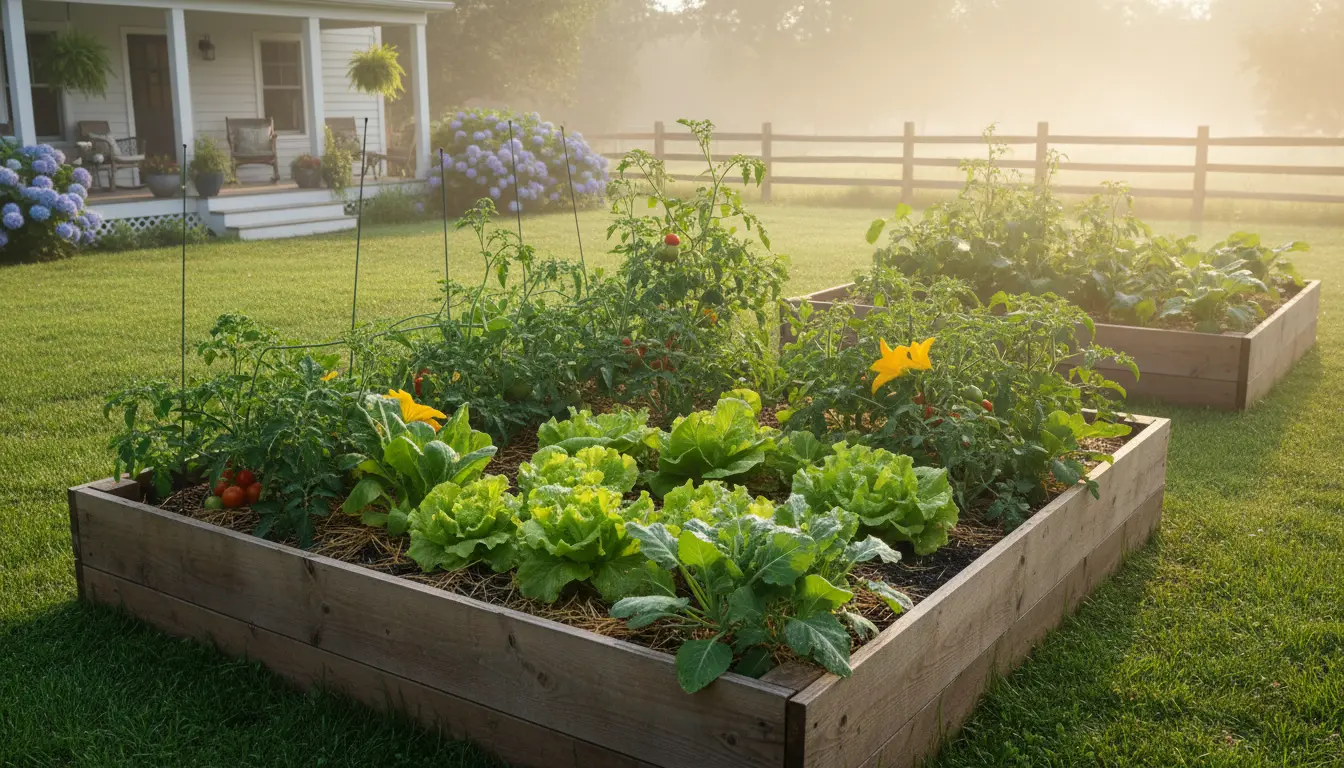
Why Start Vegetable Gardening
Vegetable gardening is a practical way to grow fresher food, reduce grocery costs, and enjoy outdoor activity. This guide gives clear steps you can follow whether you have a backyard, patio, or small balcony.
Vegetable Gardening Basics
Start by assessing your space and sunlight. Most vegetables need at least six hours of direct sun each day.
Decide on a planting method: in-ground beds, raised beds, or containers. Each has pros and cons depending on soil quality and space.
Choosing Vegetables for Beginners
Select easy crops to build confidence. Start with fast-growing, low-maintenance varieties.
- Leafy greens: lettuce, spinach, Swiss chard
- Root crops: radishes, carrots
- Nightshades: cherry tomatoes (determinate), peppers
- Legumes: bush beans, peas
Site, Soil, and Water for Vegetable Gardening
Good soil and reliable water are the foundation of productive beds. Test your soil if possible to check pH and nutrient levels.
Amend heavy clay or sandy soil with organic matter to improve texture and water retention.
Soil Preparation and Composting
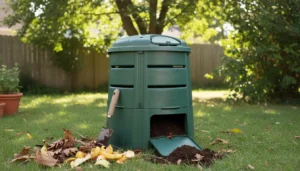
Mix 2–4 inches of compost into the top 6–8 inches of soil before planting. This adds nutrients and improves drainage.
Use compost, well-rotted manure, or balanced organic fertilizer during planting and mid-season for heavy feeders like tomatoes.
Watering Essentials
Water deeply and less frequently to encourage deep root growth. Shallow, daily watering promotes weak roots and more disease.
- Morning watering reduces evaporation and fungal risk.
- Use soaker hoses or drip irrigation for efficiency.
Planting and Maintenance in Vegetable Gardening
Follow seed packet or plant tag instructions for spacing and depth. Overcrowding reduces air flow and increases disease pressure.
Mulch around plants to retain moisture and suppress weeds. Organic mulches break down and feed soil over time.
Succession Planting and Crop Rotation
Practice succession planting to keep beds productive: sow quick crops between slower ones. Rotate crop families year to year to reduce pest buildup.
Example sequence: early lettuce, then beans, then a fall cover crop to restore soil.
Pest and Disease Management for Vegetable Gardening
Start with prevention: healthy soil, proper spacing, and clean tools lower pest and disease risks. Monitor your plants weekly.
Use integrated pest management (IPM): physical barriers, hand-picking, biological controls, and targeted organic treatments when needed.
Common Pests and Organic Controls
- Aphids: spray with water or introduce ladybugs.
- Cabbage worms: use row covers and pick larvae by hand.
- Cutworms: place collars around seedlings at planting.
Harvesting and Storage
Harvest early in the morning when vegetables are crisp. Pick regularly to encourage more production, especially for beans and summer squash.
Store produce properly: leafy greens in cool, moist conditions; root crops in cool, dark places; tomatoes at room temperature until ripe.
Seasonal Checklist for New Vegetable Gardeners
- Spring: prepare soil, start seeds indoors, plant cool-season crops.
- Summer: water deeply, stake tall plants, watch for pests.
- Fall: harvest, plant cover crops, clean up debris.
- Winter: plan next season, repair beds, make compost.
Some vegetables make excellent companions. For example, planting basil near tomatoes can improve flavor and may help deter pests.
Small Real-World Example: A Balcony Vegetable Garden Case Study
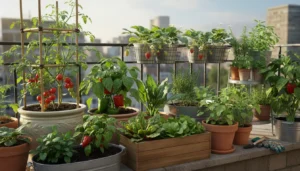
Case: A two-person household used three 12×12 inch containers and a 4×2 foot raised tray on a sunny balcony.
They planted cherry tomatoes, bush beans, lettuce, and herbs. In one season they harvested enough greens weekly and several pounds of tomatoes for fresh use and light canning.
Key actions that worked: daily 10-minute checks, consistent morning watering, and using liquid seaweed fertilizer every 4 weeks.
Troubleshooting Tips for Vegetable Gardening
If seedlings are leggy, they need more light or cooler nights. Thin crowded seedlings to recommended spacing to avoid stunting.
Yellow leaves can indicate overwatering, nutrient deficiency, or root issues. Check soil moisture and adjust watering and feeding accordingly.
Quick Tools and Supplies List
- Gloves, hand trowel, pruners
- Soaker hose or drip irrigation
- Compost or organic fertilizer
- Row covers and stakes or cages
Final Practical Steps
Start small and expand as you learn. Keep a simple garden journal to note planting dates, varieties, and yields.
With basic planning and weekly care, you can have a productive and low-stress vegetable garden within a single season.