
Why Start a Beginner Vegetable Garden
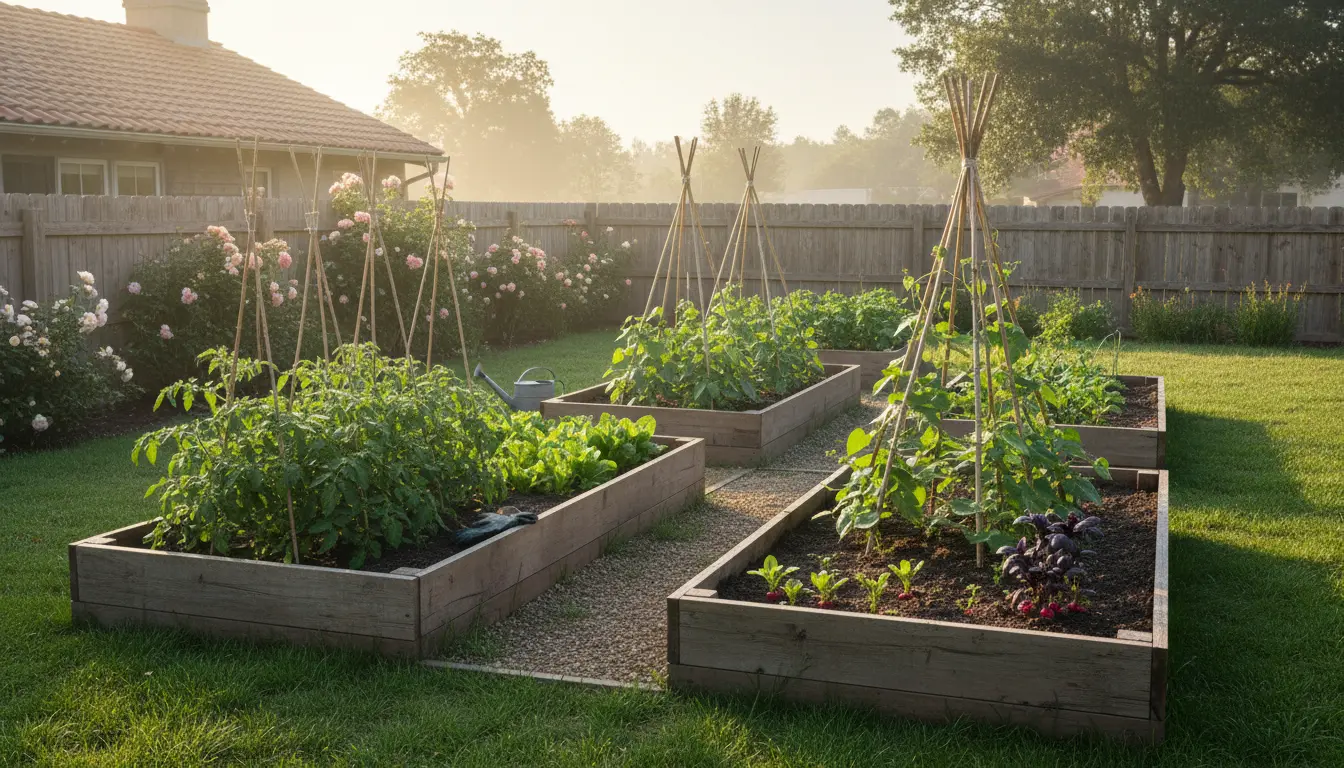
Growing your own vegetables is practical and rewarding. A beginner vegetable garden can supply fresh produce, save money, and teach good food habits.
Small gardens fit patios, balconies, or a backyard corner. This guide gives clear steps to plan and maintain a productive small garden.
Planning Your Beginner Vegetable Garden
Good planning saves time and prevents common mistakes. Start by choosing location, size, and planting method.
Choose a Spot for Your Vegetable Garden
Select a place with at least six hours of sunlight per day. Most vegetables need full sun to produce well.
Consider access to water and proximity to your kitchen for easy harvesting. Level ground and good drainage matter.
Decide Garden Size and Layout
For beginners, a single 4×8 foot raised bed or several containers is ideal. These are easy to manage and reach.
Leave paths for access and avoid compacting the soil. Plan rows or blocks depending on the space and plants you want.
Soil and Growing Medium for a Small Garden
Healthy soil is the foundation of a successful vegetable garden. Aim for loose, fertile, well-draining soil.
Test and Improve Soil
Get a basic soil test or use a kit to check pH and nutrient levels. Most vegetables prefer slightly acidic to neutral soil.
Improve soil with organic matter like compost, well-rotted manure, or leaf mold. Mix compost into the top 6 to 8 inches before planting.
Soil Mix for Containers
Use a high-quality potting mix for containers rather than garden soil. Potting mixes retain moisture and provide good aeration.
Add compost and a slow-release organic fertilizer to support growth in containers.
What to Plant in a Beginner Vegetable Garden
Choose easy, dependable vegetables that mature quickly. This builds confidence and gives faster results.
- Leafy greens: lettuce, spinach, kale
- Root vegetables: radishes, carrots, beets
- Warm-season: tomatoes, peppers, bush beans
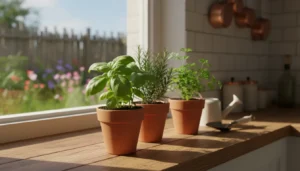
- Herbs: basil, parsley, chives
Start with seedlings or transplants for longer-season plants like tomatoes. Sow seeds directly for radishes and many greens.
Planting and Spacing Tips
Follow seed packet or plant tag spacing recommendations. Crowded plants reduce airflow and increase disease risk.
Employ succession planting to extend harvests. Plant a new row of lettuce every two to three weeks for continuous supply.
Watering and Mulching
Consistent moisture is essential. Water deeply and less frequently to encourage strong roots.
Use mulch to conserve moisture, suppress weeds, and regulate soil temperature. Apply a 2 to 3 inch layer around plants.
Pest and Disease Basics for a Vegetable Garden
Start with prevention: healthy soil, correct spacing, and clean tools reduce many problems. Regular observation helps catch issues early.
Organic Pest Controls
Use handpicking, insecticidal soaps, or row covers for common pests. Encourage beneficial insects by planting flowers and herbs.
Rotate crops each season to reduce soil-borne diseases and pest buildup.
Maintenance Checklist for a Beginner Vegetable Garden
- Water every few days depending on weather and soil moisture
- Weed weekly to avoid competition
- Inspect plants for pests and diseases twice a week
- Feed with compost tea or balanced organic fertilizer once a month during the growing season
- Harvest regularly to encourage production
Some vegetables like radishes and arugula can be ready to harvest in as little as 3 to 4 weeks. Fast crops help beginners see quick results and stay motivated.
Simple Seasonal Schedule
Planning by season keeps the garden productive. Start seeds indoors 4 to 8 weeks before the last frost for warm-season crops.
Direct-sow cold-tolerant crops like peas and spinach as soon as soil can be worked in spring. Plant warm-season crops after frost risk passes.
Case Study: Sarahs 4×8 Raised Bed
Sarah used one 4×8 raised bed in her small backyard. She filled it with a mix of compost and topsoil, then set up a simple drip irrigation line.
She planted tomatoes, bush beans, lettuce, and basil. By using succession planting and mulch, she harvested fresh greens within three weeks and tomatoes later in summer.
After one season, Sarah saved money on groceries and had a steady supply of herbs and salad greens. Her next season plan included more beans and a small trellis for cucumbers.
Practical Tips for Long Term Success
- Keep a garden journal to note planting dates, varieties, and problems
- Start small and expand after you gain experience
- Join local gardening groups or forums for advice and seed swaps
- Focus on flavor and ease rather than trying every crop at once
Conclusion: Start Small and Learn
A beginner vegetable garden is a practical project that pays off with fresh food and learning. With the right spot, good soil, and consistent care, even a small garden can be highly productive.
Use this guide as a checklist and adapt steps to your climate and space. Start one bed or several containers, and enjoy the gradual rewards of home-grown vegetables.