
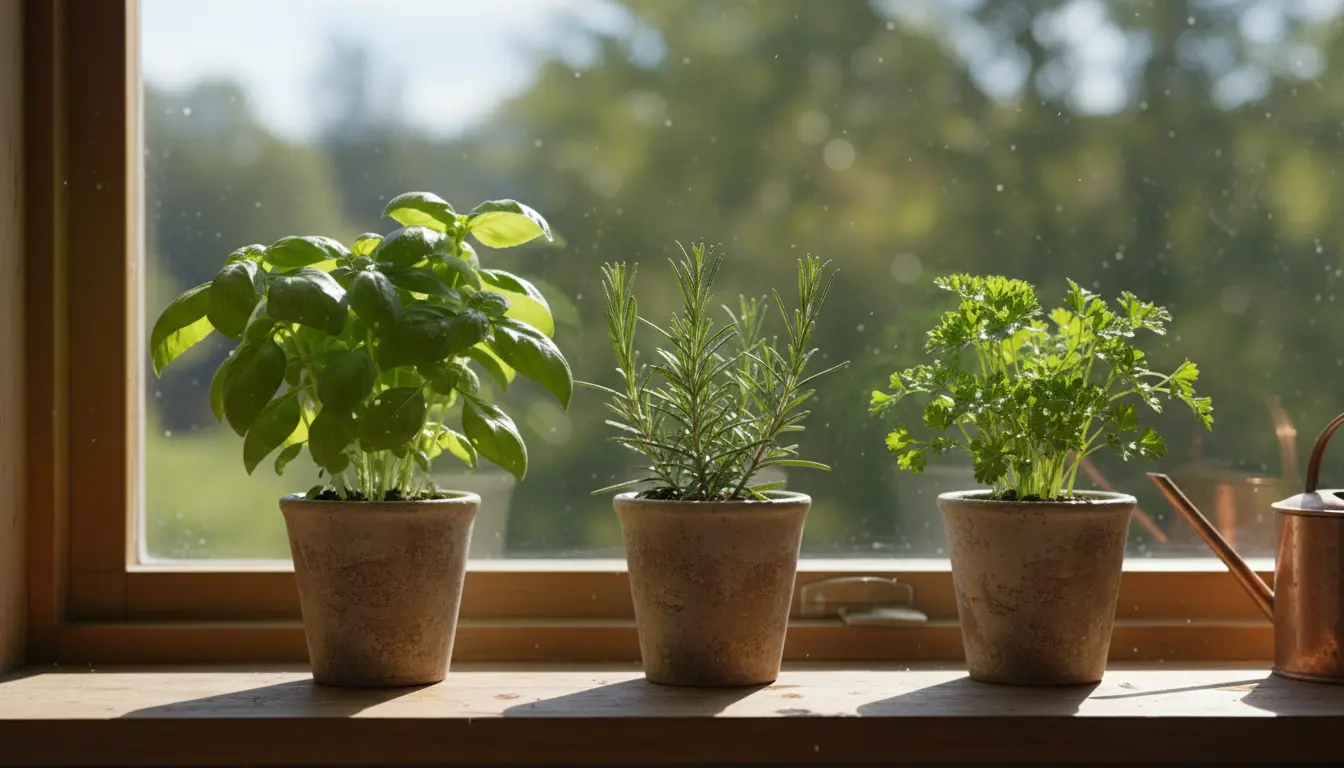
Indoor herb gardening is a simple way to grow fresh flavor in small spaces. This guide walks you through the essential steps to start and maintain healthy kitchen herbs at home.
Why Choose Indoor Herb Gardening
Indoor herb gardening gives year-round access to fresh herbs and reduces grocery costs. It also adds greenery and mild aromas to your kitchen without much space or expense.
Benefits of Indoor Herb Gardening
- Fresh flavor on demand for cooking and tea.
- Lower cost compared with buying packaged herbs frequently.
- Educational and calming—great for small apartments or homes.
Getting Started with Indoor Herb Gardening
Starting is straightforward if you plan for light, soil, and containers. A small upfront investment in pots and soil delivers months of harvests.
Choose the Right Herbs
Select herbs that are forgiving and productive indoors. Popular beginner herbs include basil, mint, parsley, chives, and thyme.
- Basil: Fast-growing, great on windowsills with bright light.
- Mint: Very resilient but can be invasive—use a separate pot.
- Parsley: Slower to start but hardy once established.
- Chives: Compact, good in small pots and low light.
Picking Containers and Soil
Choose pots with drainage holes to prevent root rot. Use a well-draining potting mix designed for herbs or vegetables.
- Size: 4–8 inch pots for individual herbs; larger containers for multiple herbs.
- Soil: Loose, well-draining potting mix with perlite or vermiculite.
- Drainage: Use saucers or trays to catch excess water.
Light Requirements for Indoor Herb Gardening
Most culinary herbs need 6–8 hours of bright light per day. Place pots on a south- or west-facing windowsill when possible.
If natural light is limited, use a full-spectrum LED grow light set 6–12 inches above the plants. Timers help maintain consistent light cycles.
Watering and Feeding
Water when the top inch of soil feels dry. Overwatering is a common mistake and causes yellowing leaves and root problems.
- Water deeply until excess drains from the bottom.
- Fertilize lightly every 4–6 weeks with a balanced liquid fertilizer.
- Reduce feeding in winter when growth slows.
Care and Maintenance Tips for Indoor Herb Gardening
Routine tasks keep herbs productive and healthy. Spend a few minutes each week checking soil, trimming, and inspecting for pests.
Pruning and Harvesting
Prune regularly to encourage bushy growth. Harvesting correctly keeps plants producing more leaves.
- Pinch or cut stems above a leaf node to stimulate branching.
- Harvest no more than one-third of the plant at a time.
- Use clean scissors to avoid spreading disease.
Pest Control and Troubleshooting
Indoor herbs occasionally attract pests like aphids, spider mites, or whiteflies. Early detection prevents outbreaks.
- Inspect undersides of leaves weekly.
- Rinse plants or use insecticidal soap for light infestations.
- Improve air circulation and avoid overwatering to reduce disease risk.
Small Case Study: A Simple Kitchen Setup
Case: Maria, a busy home cook, started three 6-inch pots of basil, chives, and parsley on her sunny windowsill. She used a basic potting mix and watered once every 5–7 days.
Within six weeks the basil needed weekly pruning, and she had fresh leaves for pasta dishes. Maria saved money and reduced waste from store-bought herbs.
- Setup cost: under $40 (pots, soil, seeds).
- Time: 10–15 minutes per week for maintenance.
- Result: Continuous fresh herbs for several months.
Troubleshooting Common Problems in Indoor Herb Gardening
Yellow Leaves
Yellowing often signals overwatering or poor drainage. Check pot drainage and reduce watering frequency to let soil dry slightly.
Leggy Growth
Leggy, weak stems mean insufficient light. Move the plant to a brighter window or add a grow light to increase light intensity.
Slow Growth
Slow growth can result from low nutrients or compacted soil. Loosen the soil surface and apply a light fertilizer if needed.
Starter Checklist for Indoor Herb Gardening
- Choose 2–4 beginner herbs (basil, chives, mint, parsley).
- Buy pots with drainage and a quality potting mix.
- Place herbs where they get 6+ hours of light or use grow lights.
- Water when the top inch of soil is dry; fertilize monthly.
- Prune regularly and inspect for pests.
Indoor herb gardening is accessible and rewarding with minimal effort. Follow these practical steps to enjoy fresh herbs year-round and build confidence as you expand your indoor garden.