
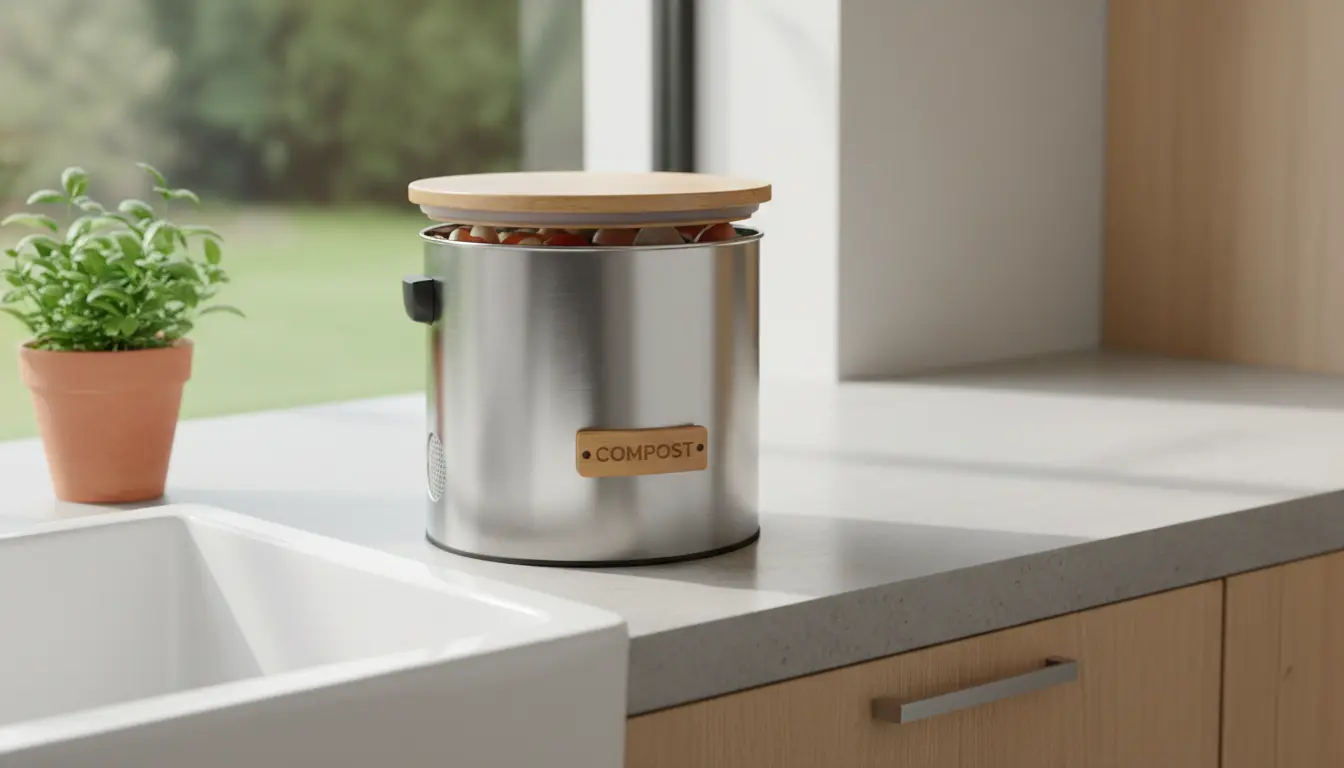
Home Composting Basics
Home composting turns kitchen scraps and yard waste into a useful soil amendment. It reduces household waste and improves garden soil structure and fertility.
Composting is a biological process that needs organic materials, moisture, air, and time. Anyone can start a simple compost system with basic tools and regular attention.
Why Choose Home Composting
Composting at home cuts landfill waste and lowers methane emissions from organic materials. It also saves money on fertilizer and helps plants retain water.
For beginners, a small bin is low-risk and easy to manage. You don’t need a large yard to make useful compost.
What You Need to Start Home Composting
Begin with a suitable container and a location. Popular options include a tumbling composter, a covered bin, or a simple open pile in the backyard.
- Compost bin or container
- Garden fork or compost aerator
- Kitchen caddy for scraps
- Mix of brown and green materials
Choose the Right Spot
Place the bin on soil to allow organisms and worms to enter. Choose a partly shaded spot to keep moisture balanced.
A small container on a balcony works too if you use an enclosed bin with good drainage.
What to Compost: Greens vs Browns
Successful home composting balances nitrogen-rich ‘greens’ with carbon-rich ‘browns’. Aim for roughly three parts browns to one part greens by volume.
- Greens (nitrogen): fruit and vegetable scraps, coffee grounds, fresh grass clippings
- Browns (carbon): dry leaves, shredded paper, straw, cardboard
Examples of easy-to-compost items: apple cores, carrot peels, tea bags (paper), and torn cardboard. Shred or chop large items to speed breakdown.
What Not to Compost
Avoid items that attract pests or slow the process:
- Meat, bones, dairy, and oily foods
- Diseased plants or invasive weeds with seeds
- Pet waste from carnivores
- Large amounts of citrus peels or onion skins in small systems
Step-by-Step: Setting Up and Maintaining a Bin
Follow these steps to set up a simple backyard or balcony composter:
- Place the bin on soil and add a 2–4 inch layer of coarse browns for drainage.
- Add kitchen scraps and alternate with layers of browns. Cover fresh greens with a layer of dry material.
- Keep the pile moist like a wrung-out sponge. Water occasionally in dry weather.
- Turn or aerate every 1–2 weeks to speed decomposition and prevent odors.
- Harvest finished compost after 2–6 months depending on conditions.
Temperature and Speed
Hot composting (above 131°F or 55°C) breaks materials down quickly but requires thicker piles and more turning. Cold composting is slower and works well for small household systems.
Beginners often start with cold composting and switch to more active turning as they gain confidence.
Troubleshooting Common Problems
Smelly compost usually means too many greens or insufficient oxygen. Add browns and turn the pile.
Slow decomposition may result from large pieces, lack of moisture, or too few greens. Chop materials finer and adjust moisture and mix.
Practical Tips for Busy Beginners
- Store kitchen scraps in a small caddy in the freezer or fridge to reduce smells and fruit flies.
- Keep a supply of shredded paper or dry leaves to layer with greens.
- Use a pitchfork or compost aerator to turn; tumblers reduce the effort required.
- Collect rainwater for occasional moistening to avoid using tap water.
How to Know When Compost Is Ready
Finished compost is dark, crumbly, and smells earthy. Most recognizable pieces of food or leaves will be gone or unidentifiable.
Screen the compost if you need fine material for potting mixes. Large pieces can go back into a new pile to finish decomposing.
Small Real-World Case Study
Case: Sarah, a city apartment dweller, started a 20-liter indoor Bokashi bucket and a small outdoor tumbler. Over one year she diverted about 120 liters of kitchen waste from the trash.
She used the fermented Bokashi outputs to seed her community garden’s compost pile. The garden reported improved soil moisture retention and healthier tomato yields the next season.
Final Checklist for Home Composting Beginners
- Choose the right container and spot
- Balance greens and browns
- Keep the pile moist and aerated
- Avoid problem items that attract pests
- Be patient and adjust methods as you learn
Home composting is a low-cost, practical step toward sustainable living. Start small, observe how your pile behaves, and refine your routine. Within months you can produce a valuable amendment that benefits plants and reduces waste.