
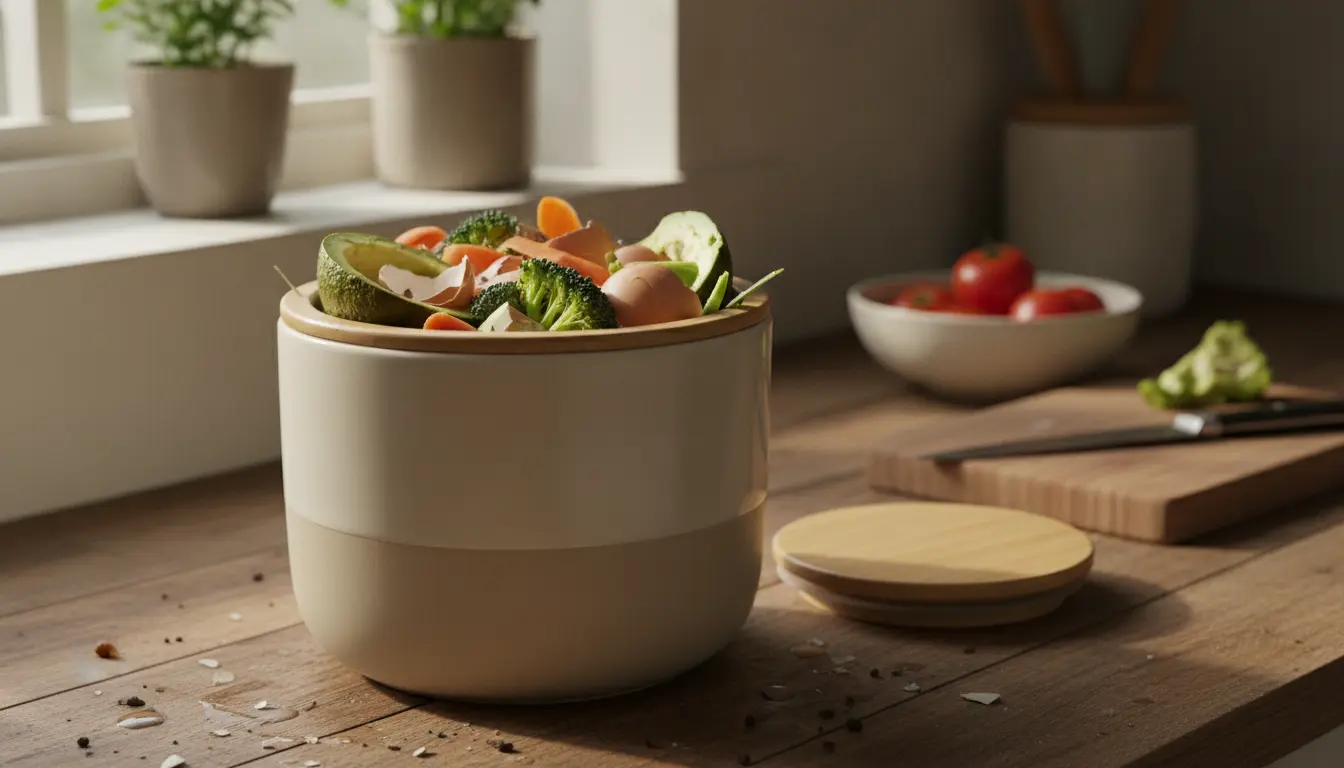
Why Home Composting Matters
Home composting turns kitchen and yard waste into rich soil material that benefits plants. It reduces trash volume and lowers methane emissions from landfills.
For beginners, composting is an easy way to recycle nutrients and save money on soil amendments. This guide keeps steps small and practical.
What You Need for Home Composting
Start with simple tools and materials. You do not need elaborate equipment to begin.
- Container: a bin, tumbler, or small pile in an outdoor corner.
- Carbon materials: dry leaves, shredded paper, straw.
- Nitrogen materials: vegetable scraps, coffee grounds, grass clippings.
- Basic tools: a garden fork or small shovel and a space to turn material occasionally.
Choosing a Method for Home Composting
Pick a method that matches your space and time. The main options are backyard pile, enclosed bin, compost tumbler, and vermicomposting.
- Backyard pile: low cost, needs space and turning.
- Enclosed bin: tidier, retains heat, good for suburban yards.
- Compost tumbler: fast and low-effort turning, higher cost.
- Vermicomposting: uses worms, ideal for apartments or small indoor setups.
Step-by-Step Home Composting Guide
Follow these steps for steady progress. Each step is short and practical.
Step 1: Build a Balanced Pile
Layer carbon and nitrogen. A general rule is roughly 3 parts brown (carbon) to 1 part green (nitrogen) by volume.
Start with coarse brown material on the bottom for airflow, then alternate green and brown layers.
Step 2: Manage Moisture and Air
The pile should be as damp as a wrung-out sponge. Add water if too dry or more browns if too wet.
Turn the pile every 1–2 weeks to introduce oxygen and speed decomposition. Enclosed systems may need less frequent turning.
Step 3: Monitor Temperature
A hot compost pile (130–160°F or 55–70°C) breaks down materials quickly and kills seeds. Backyard piles may not get as hot but will still compost over time.
Vermicompost systems should remain cool (50–70°F or 10–21°C) for worm health.
Common Materials to Use and Avoid
Knowing what to include or skip will keep odors down and compost healthy. Below are practical lists.
Include
- Vegetable and fruit scraps
- Coffee grounds and tea bags (avoid staples)
- Eggshells (crushed)
- Yard trimmings, leaves, small wood chips
- Shredded paper and cardboard (no glossy ink)
Avoid
- Meat, fish, and dairy (attract pests)
- Oily or greasy foods
- Diseased plants or invasive weed seeds (unless pile gets very hot)
- Pet waste from carnivores
Troubleshooting Home Composting Problems
Common issues are easy to fix. Address problems early to keep the process smooth.
- Bad odors: add more brown material and turn the pile for aeration.
- Pests: use a closed bin or bury food scraps under a layer of browns.
- Slow breakdown: chop materials smaller, add moisture, or increase turning.
Composting can reduce household waste by up to 30 percent. Even small indoor worm bins can divert significant organic waste from the trash.
How to Use Finished Compost
Compost is ready when it looks dark and crumbly and has an earthy smell. This usually takes 2–6 months depending on method and care.
Use finished compost as a top dressing for flower beds, mixed into potting soil, or as a lawn topdressing to improve soil structure and nutrient content.
Small Case Study: Apartment Worm Bin Success
Sarah lives in a two-bedroom apartment and started a 10-liter vermicompost bin beneath her sink. She added kitchen scraps and shredded paper, feeding the worms small amounts every few days.
After four months she harvested 12 liters of dark, rich compost and noticed her indoor plants grew faster and needed less fertilizer. Her household trash volume dropped noticeably.
Quick Tips for Home Composting Beginners
- Start small: a modest bin reduces overwhelm and helps you learn.
- Chop scraps: smaller pieces decompose faster.
- Keep records: note what you add and how the pile responds.
- Use a kitchen caddy: a small covered container for scraps makes daily collecting easy.
Final Notes on Home Composting
Home composting is a low-cost, practical way to reduce waste and improve soil. Begin with simple materials and one method that fits your space.
With a little regular attention, beginners can create healthy compost within months and contribute to a more sustainable household routine.