
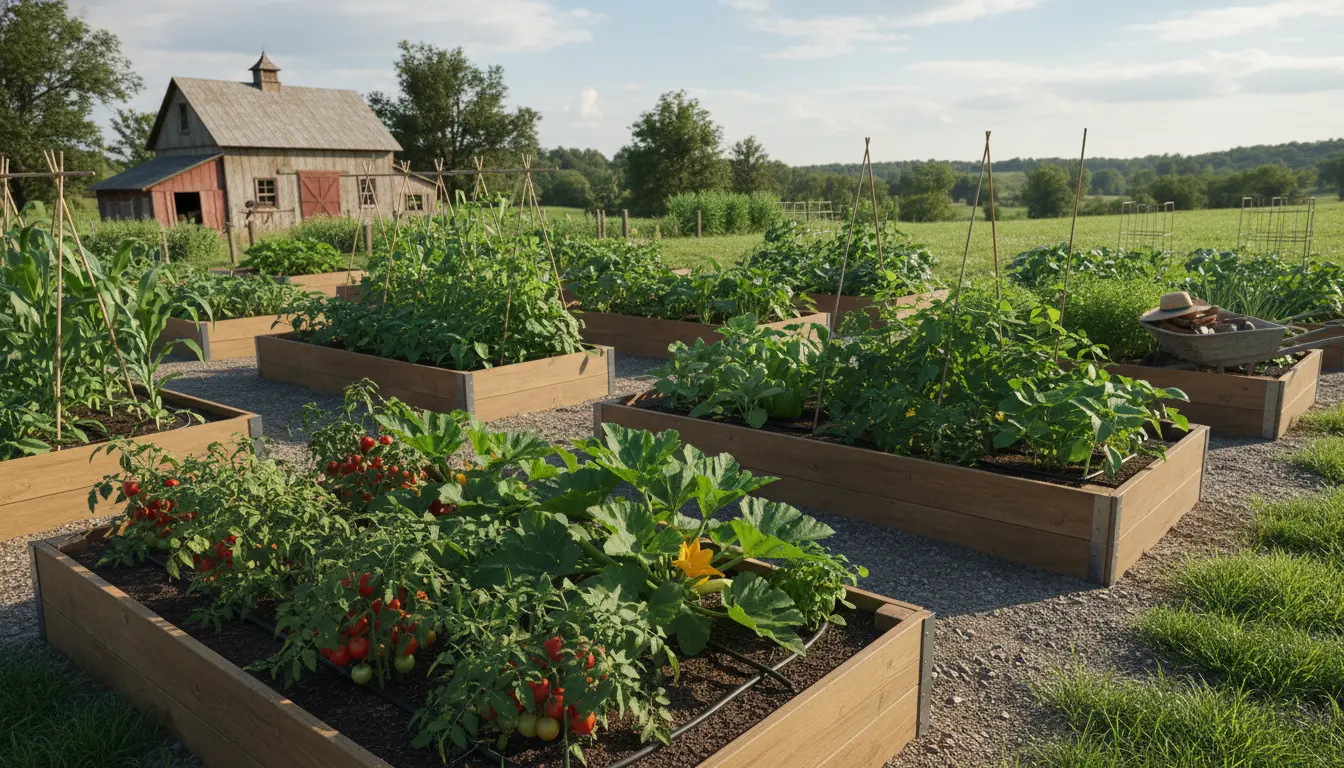
Starting a vegetable garden is a hands-on way to grow fresh food, save money, and learn practical skills. This guide gives clear steps to start a vegetable garden with simple planning and low-risk methods.
How to Start a Vegetable Garden: Plan the First Steps
Good planning reduces wasted effort. Before digging, list your goals: eat fresh produce, teach kids, or save on groceries.
Decide how much time you can commit. Small, manageable beds are better than large neglected plots.
How to Start a Vegetable Garden: Choose the Right Site
Sunlight is the most important factor when you start a vegetable garden. Most vegetables need 6–8 hours of direct sun per day.
Look for flat or gently sloped ground with good drainage. Avoid low spots that collect water after rain.
Water Access When You Start a Vegetable Garden
Choose a site near a water source to make regular watering easier. If water is distant, use soaker hoses or a rain barrel setup.
Plan paths for easy access with a watering can or hose without trampling beds.
Soil and Bed Preparation to Start a Vegetable Garden
Healthy soil is the foundation when you start a vegetable garden. Test the soil if possible; kits are inexpensive and reveal pH and nutrient needs.
Improve heavy clay with compost and gypsum. Light sandy soil benefits from compost and organic matter to hold moisture.
How to Build Beds When You Start a Vegetable Garden
Raised beds or defined rows help with drainage, warmer soil, and easier weeding. A common size is 4 feet wide so you can reach the center from either side.
Fill raised beds with a mix of topsoil and compost (about 60:40). Work the soil gently to keep structure intact.
How to Start a Vegetable Garden: Choose Plants and Timing
Pick easy, fast-growing vegetables for your first season. Good choices include lettuce, radishes, tomatoes, beans, and zucchini.
Check your local frost dates and seed packet instructions to time planting. Start seeds indoors for slow vegetables or buy seedlings for a quicker start.
- Quick wins: radish, lettuce, spinach
- Summer staples: tomato, pepper, cucumber
- Low maintenance: beans, Swiss chard, zucchini
Watering and Routine Care to Start a Vegetable Garden
Water deeply and less often to encourage strong roots. Shallow daily watering leads to weak, surface roots.
Mulch with straw or wood chips to retain moisture and reduce weeds. Keep mulch a few inches away from plant stems to prevent rot.
Fertilizing and Feeding When You Start a Vegetable Garden
Use compost as the primary soil amendment. For heavier feeders like tomatoes, supplement with a balanced organic fertilizer following package rates.
Avoid over-fertilizing leafy greens if you want quicker harvests; too much nitrogen can delay fruiting crops.
Pests, Diseases, and Simple Management
Inspect plants regularly; early detection makes control easier. Remove affected leaves and isolate severe cases when possible.
Use physical barriers like row covers for pests, and encourage beneficial insects with flowers like marigolds and calendula.
Real-World Example: Small Backyard Case Study
Case: A small family in Portland converted a 10 ft x 8 ft sunny patch into two raised beds. They planted lettuce, cherry tomatoes, bush beans, and zucchini.
In the first season they harvested salad greens within five weeks and tomatoes by mid-summer. Simple drip irrigation and weekly compost top-ups kept weeds low and yields steady.
Practical Checklist to Start a Vegetable Garden
- Site: 6+ hours sun, near water
- Soil: test, add compost, create beds
- Plants: start with easy crops and local varieties
- Water: deep, consistent schedule; use mulch
- Maintenance: inspect weekly, control pests early
Many common vegetables like lettuce and radishes mature in 30 days or less. Planting quick crops fills space while longer-season plants develop.
Common Mistakes When You Start a Vegetable Garden
New gardeners often overplant or choose the wrong location. Start small and expand after one successful season.
Avoid planting too close together; follow spacing on seed packets to reduce disease and improve air flow.
Next Steps and Seasonal Planning
Keep a simple garden journal: planting dates, varieties, and harvest notes. This record speeds improvements year to year.
Plan crop rotation to limit pests and balance soil nutrients. Move nightshades, brassicas, and legumes around different beds each year.
With modest effort and basic planning you can start a vegetable garden that produces reliable, tasty food. Begin small, learn from each season, and adjust methods to fit your space and schedule.