
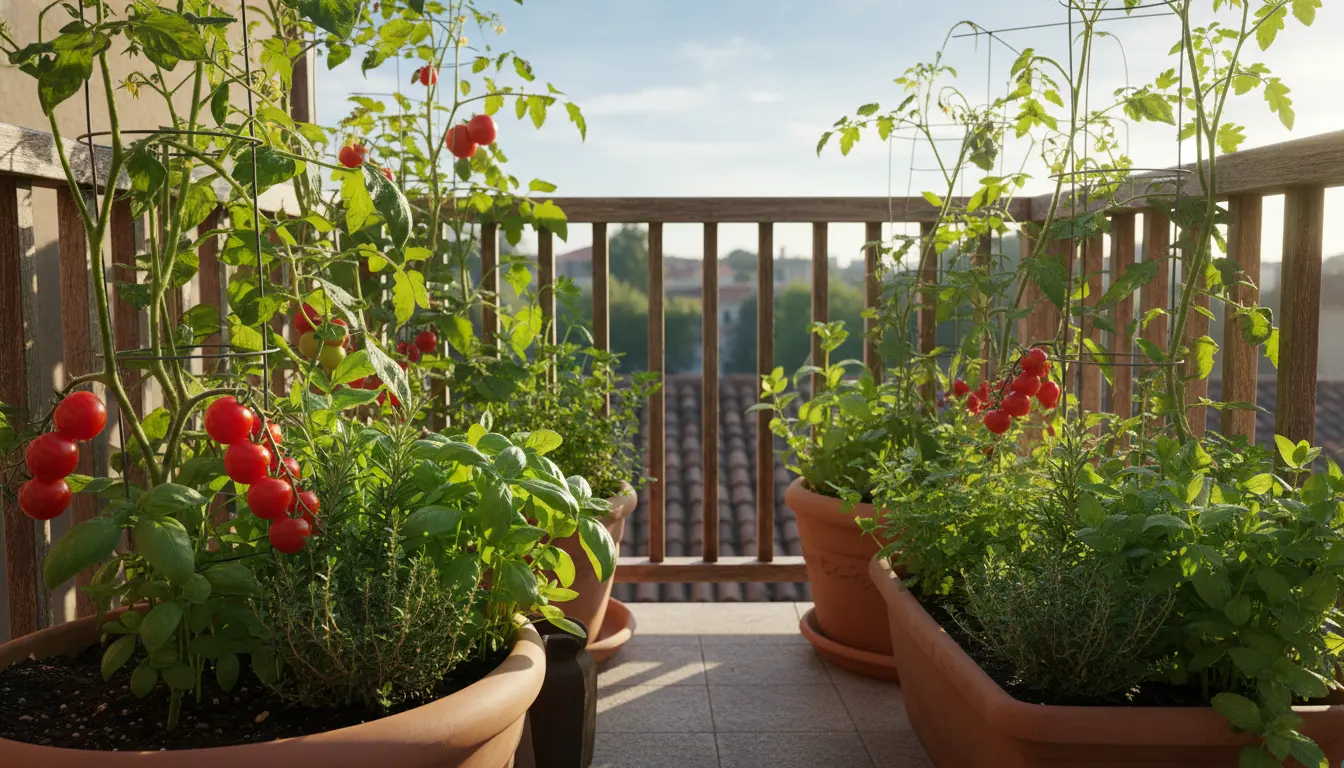
Quick overview of a vegetable container garden
Starting a vegetable container garden is one of the fastest ways to grow fresh food in small spaces. Containers let you control soil, drainage, and placement so you can adapt to balconies, patios, or small yards.
This guide walks you through container selection, soil and fertilizer choices, watering, pest control, and a short case study to illustrate real results.
Why choose a vegetable container garden
Container gardening reduces the need for tilling and large plots. It is ideal for renters, city dwellers, and anyone with limited ground space.
Containers warm up faster in spring and can be moved to follow sunlight or avoid extreme weather.
Choosing containers for your vegetable container garden
Select containers with enough volume for the plants you want to grow. Small herbs need 1–3 gallon pots, while tomatoes and peppers do best in 5–20 gallon containers.
- Material: Plastic, ceramic, wood, and fabric pots are common. Fabric grow bags drain well and prevent root circling.
- Drainage: Ensure each container has holes. Excess water must escape to avoid root rot.
- Size: Err on the side of larger rather than smaller when growing vegetables to improve moisture retention and root space.
Soil and potting mix for a vegetable container garden
Use a high-quality potting mix formulated for containers—do not use garden soil alone. Potting mixes are lighter and drain better, reducing compaction.
Look for mixes containing peat or coconut coir, perlite or vermiculite, and some compost for nutrients.
Soil additives and fertility
Add slow-release granular fertilizer when planting, and supplement with liquid feed every 2–4 weeks during the growing season. Balanced N-P-K formulas like 10-10-10 work well for many vegetables.
Compost tea or worm castings can be applied periodically to boost microbial life and nutrient availability.
Selecting vegetables for a container garden
Choose vegetables that suit container conditions and your climate. Quick and reliable choices include lettuce, spinach, radishes, cherry tomatoes, peppers, bush beans, and herbs.
Avoid deep-rooted crops like full-size pumpkins or corn unless you have very large containers and space.
Companion planting and spacing
Group compatible plants to maximize space. For example, plant basil near tomatoes to improve pest resistance and flavor.
Follow spacing recommendations on seed packets—crowding reduces air circulation and increases disease risk.
Planting, watering and daily care
Fill containers with potting mix, leaving 1–2 inches from the rim to allow watering. Firm the soil lightly and plant at the depth recommended for each species.
Water deeply and consistently. Containers dry out faster than ground beds, so check moisture daily in hot weather. Use drip lines or self-watering containers to reduce stress on plants.
Watering tips for a vegetable container garden
- Water until you see drainage from the bottom to ensure even wetting.
- Morning watering reduces fungal issues and ensures moisture through the heat of the day.
- Mulch the top of pots with straw or shredded bark to reduce evaporation and keep roots cooler.
Pest control and disease management
Monitor leaves and stems regularly for pests like aphids, whiteflies, and caterpillars. Hand removal and insecticidal soap are effective first steps.
Promote plant health with proper spacing, clean containers, and fresh potting mix each season to limit soil-borne diseases.
Organic pest control options
- Neem oil and insecticidal soap for soft-bodied insects.
- Floating row cover to protect young plants from insects and birds.
- Beneficial insects like ladybugs for aphid control if you have space to release them.
Tomato plants grown in containers often need pruning of suckers and consistent potassium feed to support fruit set when the daytime temperature exceeds 85°F (29°C).
Harvesting and crop rotation in containers
Harvest regularly to encourage continued production, especially for lettuces, herbs, and cherry tomatoes. Remove spent plants promptly.
Rotate crops between seasons and refresh potting mix to reduce pest buildup and nutrient depletion. Plan for at least one season of rest or a cover crop if possible.
Simple case study: Balcony container success
Case: Sarah, a city renter, started a vegetable container garden on a south-facing balcony. She used four 10-gallon fabric pots and planted two determinate tomato varieties, a pepper, and mixed herbs.
By using a quality potting mix, a slow-release fertilizer at planting, and daily morning watering, Sarah harvested cherry tomatoes for 14 weeks. When aphids appeared, she used a strong water spray and released a few ladybugs. The crop produced enough for weekly salads and small preserves.
Key takeaways: consistent moisture, larger containers, and early pest checks made her small garden productive.
Quick troubleshooting checklist for a vegetable container garden
- Yellow leaves: Check for overwatering or nutrient deficiency.
- Wilting in midday heat: Provide shade or increase watering frequency.
- Poor fruit set: Ensure warm nights and adequate potassium and phosphorus.
Final steps to get started
Decide which vegetables you want, choose appropriate containers, buy a quality potting mix, and plan a simple watering schedule. Start small and expand once you learn what works in your microclimate.
Container gardening is low cost, flexible, and highly rewarding. With basic planning you can grow fresh vegetables even in the smallest spaces.