
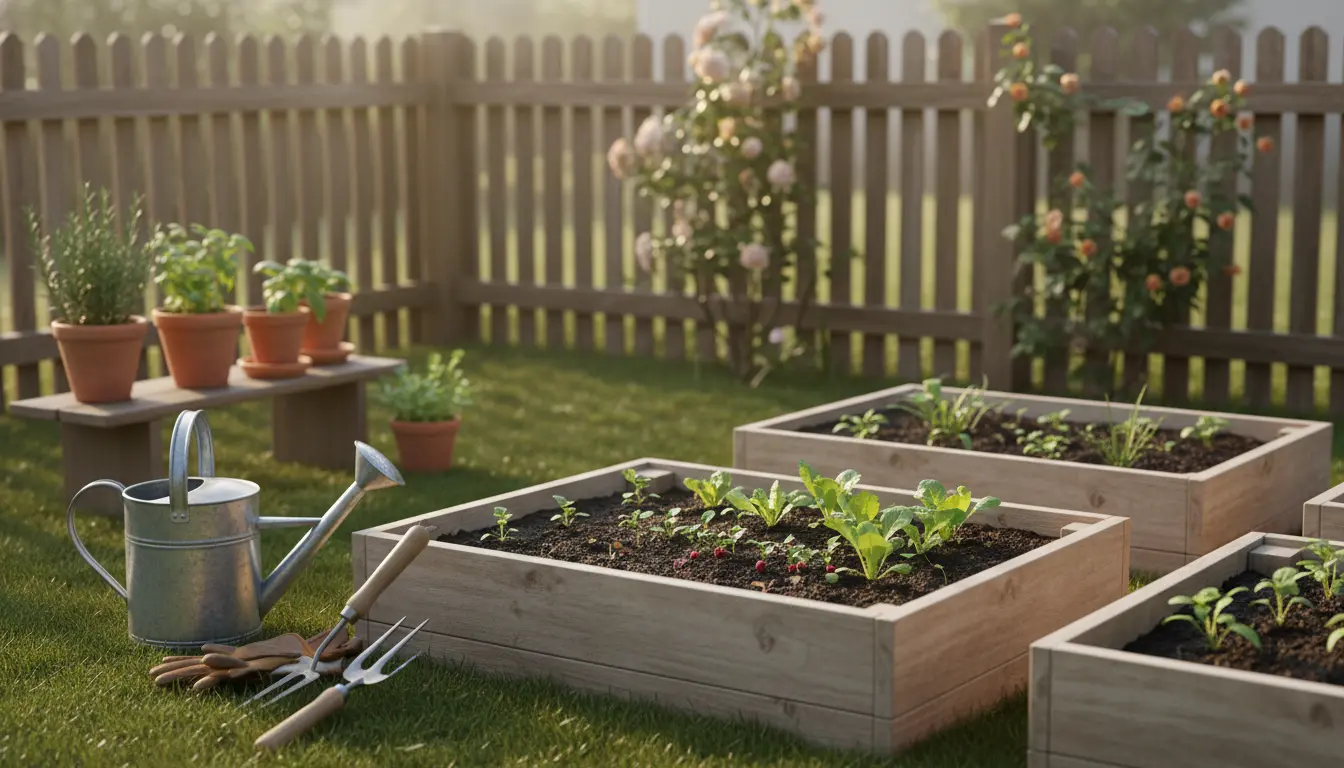
How to Start a Vegetable Garden: Overview
Starting a vegetable garden is a practical way to grow fresh food and save money. This guide explains each step in clear, actionable language so you can begin without guesswork.
Plan Before You Start a Vegetable Garden
Good planning reduces problems later. Decide the scale, what to grow, and how much time you can commit.
- Space: patio containers, raised beds, or in-ground plots.
- Time: daily watering vs. low-maintenance crops.
- Budget: seeds, soil, tools, and amendments.
Choose Plants for Your Skill Level
Select easy crops if you are new to gardening. Tomatoes, lettuce, radishes, beans, and herbs are forgiving for beginners.
Consider seasonal timing for your climate and start with seedlings if you want faster results.
Choose the Right Location to Start a Vegetable Garden
Light, water access, and protection from wind shape where your garden will succeed. Most vegetables need 6–8 hours of direct sun.
Pick a spot close to a water source and with good drainage to avoid soggy roots.
Sun and Shade Considerations
Observe the chosen area for a few days to track sunlight. Note morning vs. afternoon sun because heat affects plant choice and watering needs.
Prepare Soil to Start a Vegetable Garden
Healthy soil is the foundation of productivity. Test the soil if possible, then improve texture and fertility.
- Loosen compacted soil to a depth of 8–12 inches for most vegetables.
- Add compost or well-rotted manure to boost organic matter.
- Use raised beds with a good soil mix when native soil is poor.
Soil Amendments and pH
Most vegetables prefer a slightly acidic to neutral pH (6.0–7.0). Lime raises pH and sulfur lowers pH when needed.
Work amendments into soil several weeks before planting to allow integration and stabilization.
Planting Tips to Start a Vegetable Garden
Follow seed packet or plant label instructions for spacing and depth. Overcrowding reduces yield and promotes disease.
- Stagger plantings for continuous harvest—plant a few rows every two weeks for lettuce or radishes.
- Companion planting can reduce pests—try basil next to tomatoes or marigolds near beans.
- Succession planting helps use space efficiently through the season.
Watering and Mulching
Water deeply and less frequently to encourage strong root systems. Aim for consistent moisture, especially during flowering and fruit set.
Mulch with straw, shredded leaves, or bark to conserve moisture, suppress weeds, and moderate soil temperature.
Pest and Disease Management When You Start a Vegetable Garden
Prevention is the best strategy. Rotate crops annually to avoid soil-borne diseases and vary plant families across beds.
Inspect plants weekly and remove affected leaves promptly. Use row covers to protect seedlings from insects and birds.
Organic and Chemical Options
Try mechanical controls (hand-picking), barriers, and organic sprays first. Reserve chemical treatments for persistent issues and follow label directions carefully.
Maintenance Routines After You Start a Vegetable Garden
Set a simple weekly schedule: inspect, water, and weed. Record plantings and harvests to improve planning next season.
Prune and stake vining plants like tomatoes and cucumbers to improve air circulation and sunlight exposure.
Fertilizing Schedule
Apply a balanced fertilizer or compost tea every 4–6 weeks for vegetables with heavy feeding needs. Leafy greens and fruiting crops have different nutrient demands—adjust accordingly.
Radishes can be ready to harvest in as little as 22 days, making them an excellent early success for beginner vegetable gardeners.
Small Case Study: Converting a Small Patio to Start a Vegetable Garden
Case study: In a 10-foot by 6-foot apartment patio, a gardener built two 4×2 foot raised beds and used three 5-gallon containers. They planted tomatoes, lettuce, peppers, and basil.
Within one season they harvested enough salad greens for two people twice weekly, and three medium tomato harvests. Key actions were weekly watering, using compost, and staking tomatoes early.
Common Mistakes to Avoid When You Start a Vegetable Garden
- Planting too densely: overcrowding leads to disease and low yields.
- Overwatering or underwatering: both stress plants and reduce productivity.
- Ignoring soil health: skipping compost reduces long-term fertility.
Quick Checklist to Start a Vegetable Garden
- Choose sunny site near water.
- Test and amend soil; consider raised beds.
- Select beginner-friendly plants and stagger plantings.
- Mulch, water deeply, and set a weekly maintenance routine.
- Monitor pests and rotate crops yearly.
Conclusion: Start a Vegetable Garden with Confidence
Starting a vegetable garden is a step-by-step process that rewards planning and consistent care. Begin small, learn from each season, and expand as you gain confidence.
Keep a simple journal of plant varieties and results to refine your choices for better harvests next year.