
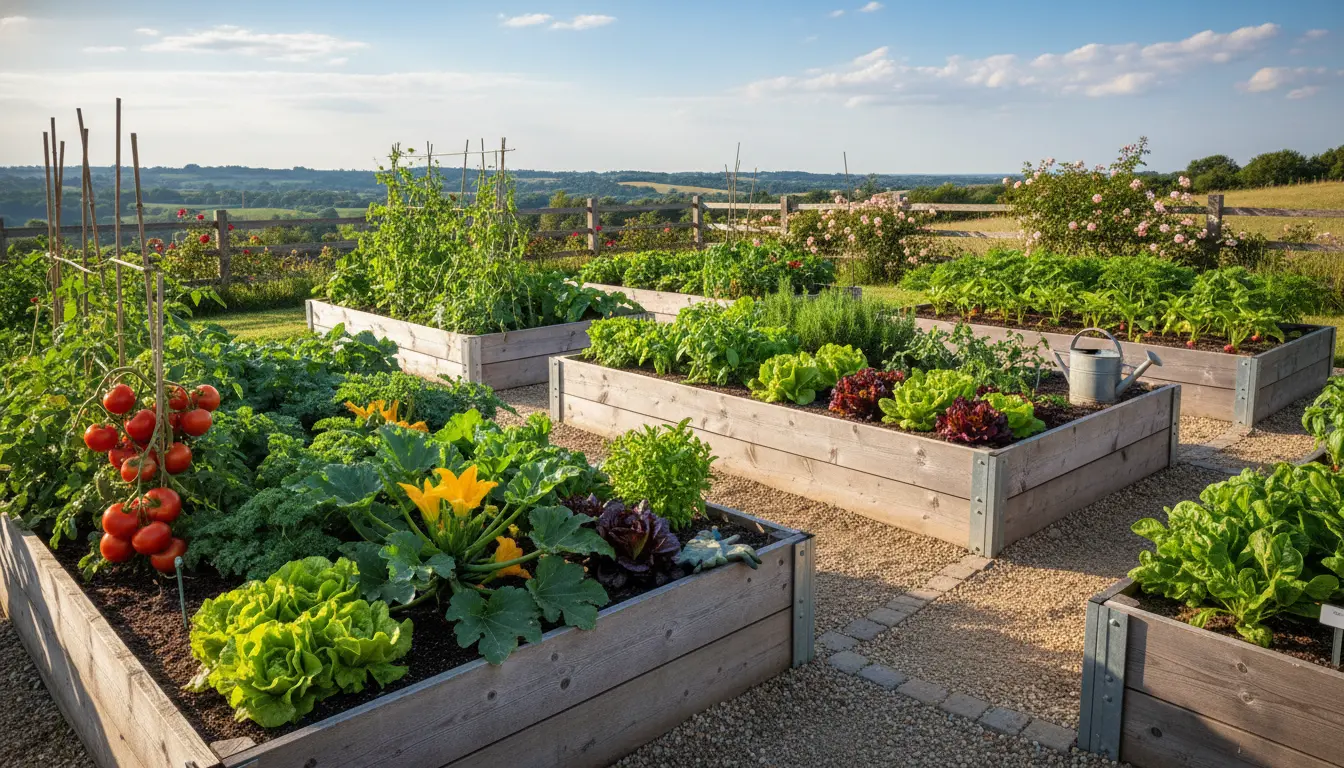
Plan How to Start a Small Vegetable Garden
Starting small makes gardening manageable and gives faster results. Identify a spot, choose a container or bed, and list the vegetables you want to grow.
Use this guide to plan step-by-step so you avoid common mistakes and get harvests in the first season.
Pick a Location and Size
The best sites get at least six hours of direct sunlight. If full sun is not available, choose vegetables that tolerate part shade.
- Sunny balcony: use containers or grow bags.
- Small yard: choose a raised bed 3–4 feet wide for easy reach.
- Window boxes: good for herbs, lettuce, and radishes.
Prepare Soil When You Start a Small Vegetable Garden
Soil is the foundation. For small gardens, a good mix in containers or raised beds speeds results and reduces weeds.
Use a loose, well-draining mix with organic matter for best growth.
Soil Mix and Amendments
- Container mix: equal parts compost, peat or coconut coir, and high-quality potting soil.
- Raised bed: mix native topsoil with 40% compost to improve fertility and structure.
- pH: most vegetables prefer pH 6.0–7.0; adjust only if test shows extremes.
Choose Easy Vegetables for a Small Garden
Select crops that deliver quick success and suit your space. Compact varieties and vertical growers save room.
Recommended Plants for Beginners
- Lettuce and salad greens: quick harvests, continuous picking.
- Radishes: ready in 3–4 weeks, very space-efficient.
- Cherry tomatoes (determinant or patio varieties): productive in containers.
- Bush beans and peas: high yield in small space.
- Herbs: basil, parsley, cilantro — low maintenance and useful.
Planting and Spacing Tips
Follow seed packet or plant tag spacing, but use intensive planting for small beds.
- Square-foot spacing works well: 1 lettuce per square, 16 radishes per square, or 4 bush beans per square.
- Use trellises for cucumbers and pole beans to free ground space.
- Succession plant every 2–3 weeks for continuous harvests.
Care and Maintenance for a Small Vegetable Garden
Consistent care gives better yields than sporadic effort. Focus on watering, feeding, and monitoring pests.
Watering and Fertilizing
Water deeply when the top inch of soil is dry. Containers dry faster than beds, so check often.
- Early morning watering reduces disease risk.
- Use a balanced organic fertilizer or compost tea every 3–4 weeks during the season.
Pest and Disease Basics
Inspect plants weekly. Hand-pick large pests and use barriers like row covers for caterpillars and beetles.
Remove diseased leaves quickly and avoid overwatering to prevent fungal problems.
A well-managed 4×4 raised bed can produce 20 or more pounds of vegetables in a season, depending on crops and care.
Simple Tools and Budget Tips
You only need a few tools: a trowel, hand fork, watering can or hose with a gentle nozzle, and a soil thermometer if you like.
- Reuse containers and pots when possible.
- Start with seedlings to reduce time and mistakes if you are new.
- Share seeds and cuttings with neighbors to expand variety cheaply.
Case Study: A Small Real-World Example
Linda, an apartment gardener, started a 3×6 raised bed on her balcony. She chose cherry tomatoes, basil, lettuce, and radishes.
She used a 50/50 mix of compost and organic garden soil, planted in early spring, and added a simple trellis for tomatoes. By midsummer she harvested weekly salads and several pounds of tomatoes.
Lessons learned: start with fewer varieties, water daily in hot weather, and prune tomato suckers to focus energy on fruit.
Harvesting and Storing
Harvest early in the day for best flavor. Pick leafy greens before they bolt and harvest tomatoes when fully colored.
Store yields by refrigerating leafy greens and using or preserving surplus tomatoes by canning or drying.
Final Steps to Start a Small Vegetable Garden
Start with a simple plan: choose location, select 3–5 easy crops, prepare soil or containers, and schedule weekly care.
Track what you plant and note harvest dates — this helps improve results next season. Start small, learn, and expand gradually.
Example checklist:
- Map location and measure sun hours.
- Decide container or raised bed and prepare soil mix.
- Select seeds/seedlings and set a planting calendar.
- Arrange watering and pest monitoring routines.
With small steps and steady care, you can successfully start a small vegetable garden and enjoy fresh produce all season.