
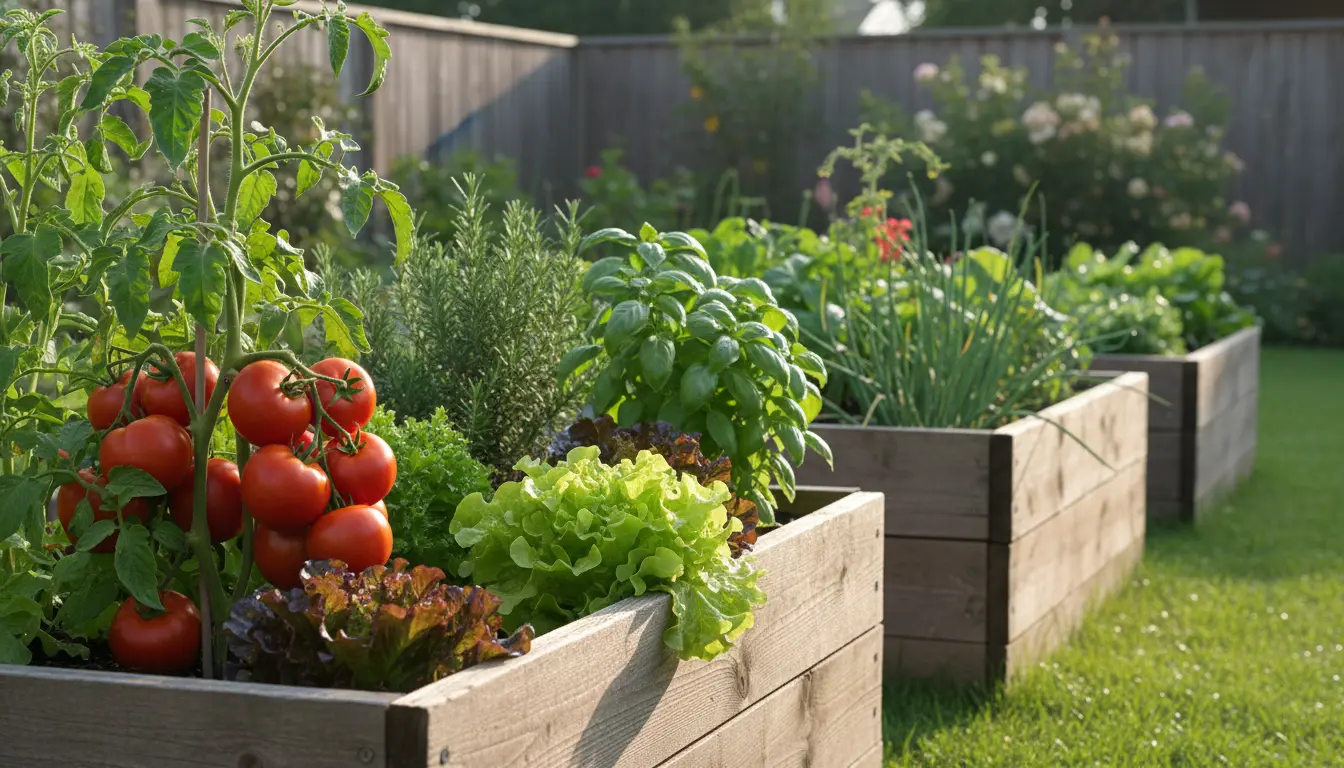
Starting a vegetable garden is practical and rewarding. This guide breaks the process into clear steps you can follow in one season.
How to Start a Vegetable Garden: Plan the Basics
Good planning reduces wasted time and plants. Begin by choosing the garden location, size, and the first crops you want to grow.
Choose location and sunlight
Most vegetables need 6–8 hours of direct sunlight daily. Observe the sun pattern for several days to confirm light exposure.
Pick a spot near a water source and with good drainage. Avoid low areas where water pools after rain.
Decide the garden size and type
If you are new, start small: one or two 4×8 foot raised beds or a few 3–4 containers. Small gardens are easier to manage and water.
Options include in-ground beds, raised beds, containers, or vertical planters for limited space.
How to Start a Vegetable Garden: Choose Crops and Timing
Select vegetables suited to your climate and growing season. Choose a mix of quick crops and longer-season crops for steady harvests.
Easy beginner crops
- Leafy greens: lettuce, spinach, arugula
- Root vegetables: radishes, carrots, beets
- Fruit-bearing: tomatoes, peppers, bush beans
- Herbs: basil, parsley, chives
Check local frost dates to time planting for spring and fall crops. Use seedlings for tomatoes and peppers; sow seeds for lettuce and radish.
How to Start a Vegetable Garden: Prepare Soil and Beds
Soil quality affects plant health more than fancy tools. Focus on soil structure, fertility, and drainage.
Test and improve soil
Get a basic soil test to check pH and nutrient levels. Most vegetables prefer slightly acidic to neutral soil (pH 6.0–7.0).
Add compost and organic matter to improve texture and nutrients. For heavy clay, add coarse sand and compost; for sandy soil, add compost to increase water retention.
Build beds and amend soil
For raised beds, use a mix of topsoil and compost. Aim for 12–18 inches of good soil for root growth in most vegetables.
Mulch beds after planting to suppress weeds and retain moisture. Use straw, shredded leaves, or bark mulch around plants.
How to Start a Vegetable Garden: Planting and Ongoing Care
Plant carefully and maintain consistent care. Small daily observations prevent many problems.
Planting tips
- Follow seed packet or plant tag spacing to avoid overcrowding.
- Plant deeper for root crops and slightly deeper for peppers/tomatoes if transplanting.
- Stagger plantings of lettuce or radish every 2–3 weeks for continuous harvest.
Watering, feeding, and pest control
Water at the base of plants early in the morning to reduce disease risk. Aim for deep, infrequent watering rather than daily light watering.
Feed with balanced organic fertilizer or compost tea every 3–4 weeks during the season. Monitor plants for common pests like aphids, slugs, and caterpillars.
- Use row covers or netting for bird and insect protection.
- Introduce beneficial insects (ladybugs) or use hand removal for small infestations.
- Rotate crops each year to reduce soil-borne disease.
Companion planting can improve yields. For example, planting basil near tomatoes may enhance flavor and repel some pests.
How to Start a Vegetable Garden: Harvesting and Storage
Harvest regularly to encourage more production. Pick vegetables at their peak for best flavor and nutrition.
Harvesting tips
Leafy greens can be cut by outer leaves. Beans and peas are best picked frequently before they become oversized.
Store produce correctly: cool leafy greens and herbs quickly, cure root crops like carrots and beets in a cool dry place.
Small Case Study: A Beginner Raised Bed
Case: Jane, a city renter, used two 4×4 raised beds on her balcony. She filled them with equal parts topsoil and compost, then planted tomatoes, lettuce, and bush beans.
Jane watered deeply twice a week and mulched to reduce watering frequency. By late summer she harvested weekly salads and several pints of cherry tomatoes. Annual composting and moving beans to a different bed improved yields the next season.
Quick Checklist to Start a Vegetable Garden
- Choose a sunny spot and decide on bed type and size
- Pick beginner-friendly crops based on season
- Test soil and add compost or amendments
- Plant at the right depth and spacing
- Water deeply, mulch, and monitor pests
- Harvest regularly and rotate crops next season
Starting a vegetable garden is about simple, repeatable habits: good planning, soil care, and regular attention. Follow these steps and refine choices as you learn your site and climate.