
Why start a vegetable garden
Starting a vegetable garden gives you fresh food, saves money, and connects you with the seasons. It also reduces your carbon footprint compared with store-bought produce.
This guide explains how to start a vegetable garden step by step, using plain language and realistic actions you can take this weekend.
Plan before you start your vegetable garden
Good planning reduces wasted time and effort. Begin by evaluating your space, sunlight, and goals.
Choose the right location
Most vegetables need 6–8 hours of direct sunlight. Pick a spot with good drainage and easy access to water.
Decide on the garden type
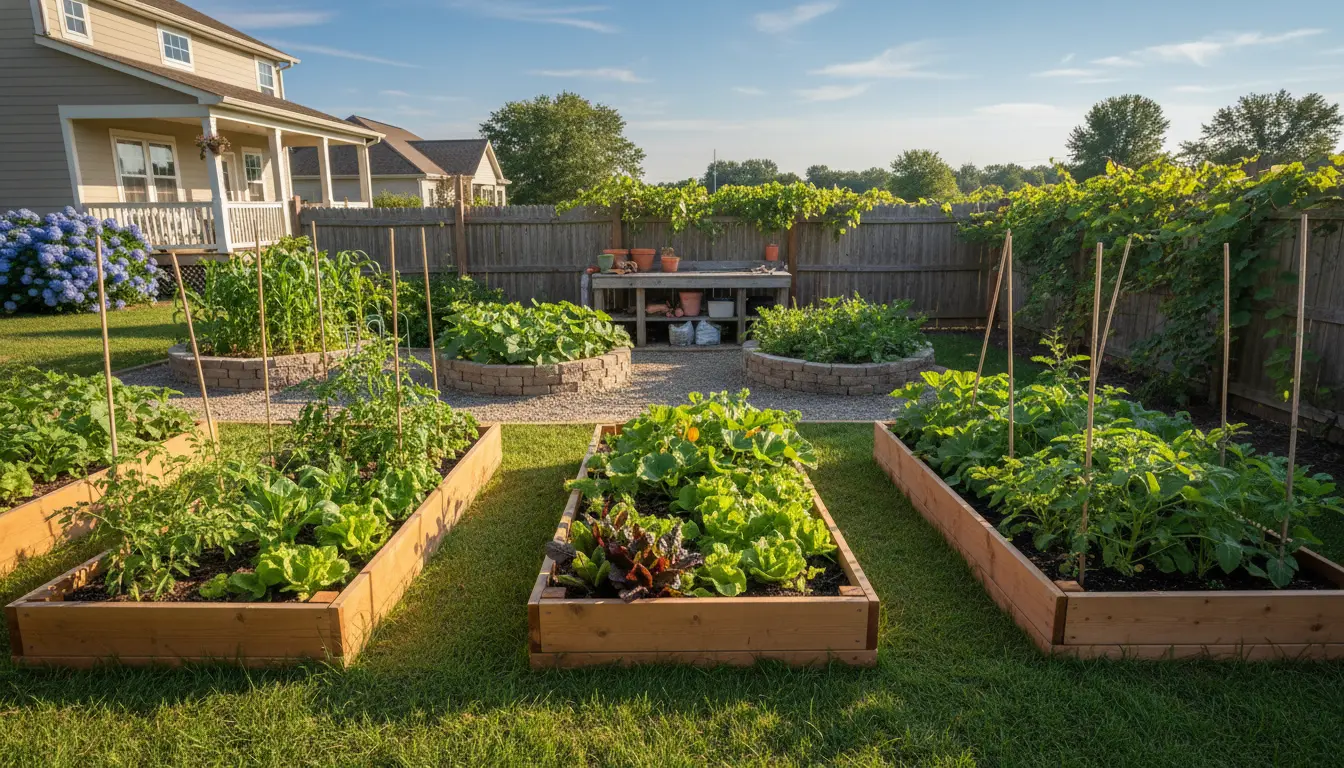
Common options include in-ground beds, raised beds, and containers. Raised beds warm faster and require less bending, while containers are best for patios or balconies.
- Raised beds: Best for small yards and improved soil control.
- In-ground beds: Economical for larger spaces with good soil.
- Containers: Ideal for limited space and mobility.
Prepare soil to start a vegetable garden
Soil quality determines how well your plants grow. Take simple steps to build healthy soil before planting.
Test and amend your soil
Buy a basic soil test kit or send a sample to a local extension service. Adjust pH and nutrients based on recommendations.
Add organic matter
Mix in compost or well-rotted manure to improve structure and fertility. A 2–4 inch layer of compost worked into the top 6–8 inches of soil helps most gardens.
Choose vegetables to grow
Select crops that match your climate, season, and cooking habits. Start with easy, high-yield plants for fast success.
- Beginner-friendly: Lettuce, radishes, green beans, tomatoes, and zucchini.
- Consider season: Cool-season (lettuce, peas) vs warm-season (tomatoes, peppers).
- Space: Use vertical supports for vining plants like beans and cucumbers.
Start from seeds or transplants
Seeds are cheaper but require more time and attention. Transplants (starter plants) give quicker harvests and are more forgiving for beginners.
Planting and layout tips to start a vegetable garden
Plan rows and spacing so each plant has room to grow. Use companion planting to save space and reduce pests.
- Sketch a simple layout showing raised beds or containers.
- Group plants by water needs to make irrigation easier.
- Stagger plantings of quick crops like lettuce to extend harvest.
Watering and feeding your vegetable garden
Consistent watering is key. Deep, infrequent watering encourages strong roots, while frequent shallow watering weakens plants.
Irrigation options
Use soaker hoses or drip irrigation to deliver water directly to roots and reduce evaporation. Water early in the morning when possible.
Fertilizing
Use balanced organic fertilizers or compost tea during the growing season. Avoid over-fertilizing leafy greens with excessive nitrogen if you want balanced growth.
Pest and disease basics for a vegetable garden
Monitoring and simple preventive measures keep problems small. Focus on healthy soil and good hygiene.
- Inspect plants weekly for signs of pests or disease.
- Use row covers to protect seedlings from insects.
- Remove diseased leaves and rotate crops each year to reduce soil-borne diseases.
Seasonal care and harvest tips
Regular tasks change with the season. Early spring is for soil prep; summer needs more watering and staking; fall is harvest and cleanup.
- Mulch to retain moisture and suppress weeds.
- Harvest regularly to encourage more production.
- Save seeds from healthy plants if you want to reuse varieties next year.
Small real-world case study
Case: A small backyard 8 x 4 raised bed started in April produced steady food by June. The gardener used compost, planted tomatoes, lettuce, and bush beans, and installed a drip line.
Results: By August they harvested 20 pounds of tomatoes, several salads per week, and continuous beans. Initial cost included lumber and soil but paid back in reduced grocery bills within the first season.
Common mistakes to avoid when you start a vegetable garden
Avoid these frequent errors to save time and disappointment.
- Planting in shade: Most vegetables need full sun.
- Overwatering: Causes root rot and weak plants.
- Planting too densely: Leads to poor air circulation and disease.
Quick checklist to start a vegetable garden
- Pick site with 6–8 hours sun.
- Decide on raised bed, in-ground, or containers.
- Test and amend soil with compost.
- Choose beginner crops suited to your season.
- Set up drip irrigation or water schedule.
- Monitor pests weekly and harvest regularly.
Starting a vegetable garden is a manageable project that pays ongoing benefits. With good planning and simple care, most beginners find success in their first season.